Travel Tips
Yoga Retreats Nepal Complete Guide
Nepal is one of the world's premier destinations for yoga retreats, combining ancient Himalayan wisdom with extraordinary mountain landscapes. This guide covers everything you need to plan a transformative yoga journey.
Why Nepal for Yoga
Nepal sits at the crossroads of Hindu and Buddhist traditions, two of the oldest systems of contemplative practice on earth. The Himalayas have attracted seekers, sages, and practitioners for millennia. Today, that heritage translates into an extraordinary density of genuine yoga schools, ashrams, and retreat centres within a relatively small country.
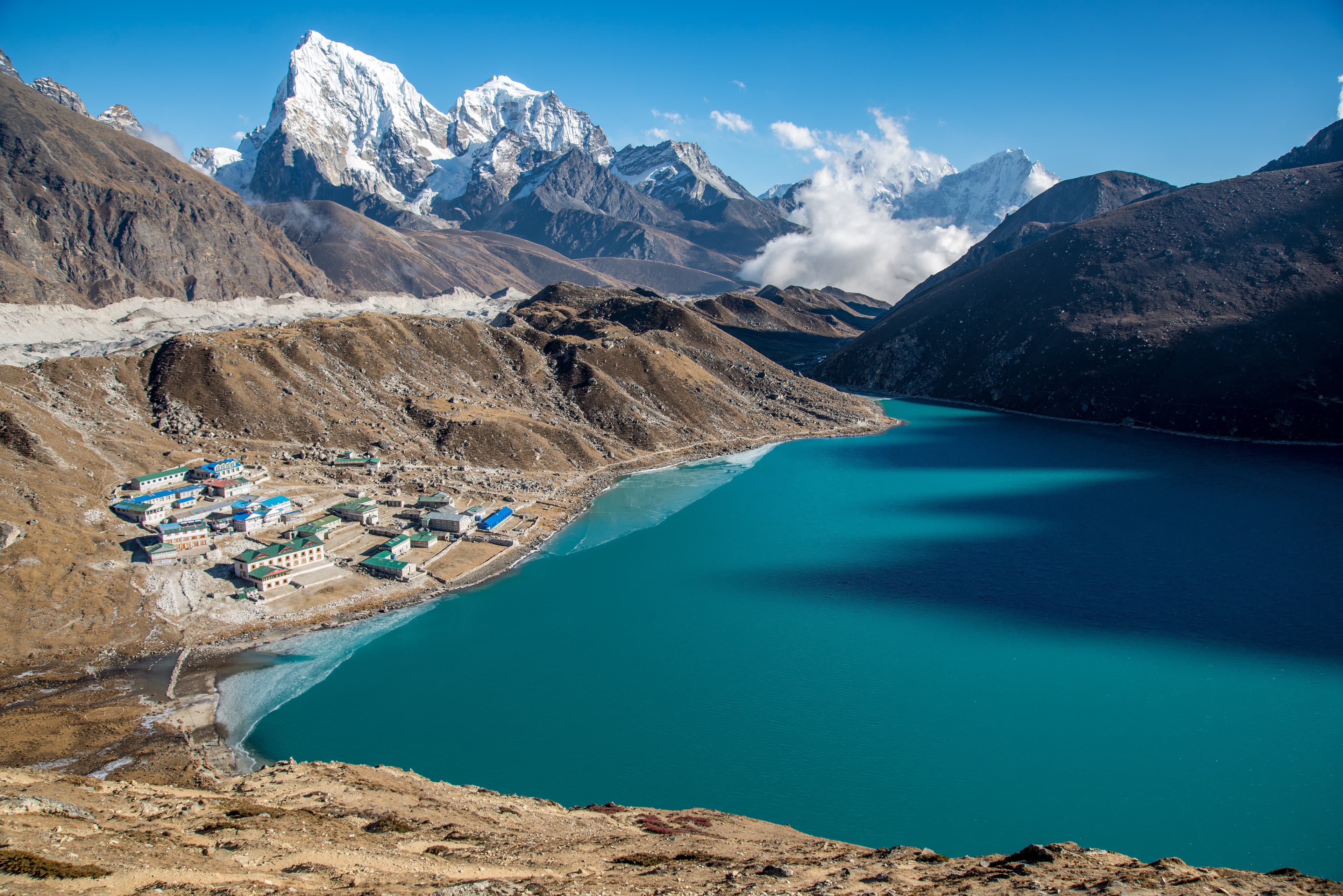
Kathmandu Valley alone hosts dozens of established centres, many of them founded or guided by lineage-trained teachers with decades of practice. Pokhara, set against the Annapurna range with its reflective lakes, has become a quieter alternative hub. Further afield, villages in the Mustang, Dolpo, and Solukhumbu regions offer genuinely remote retreat experiences for those willing to trek to them.
Types of Yoga Retreat Available
Hatha Yoga Retreats form the backbone of Nepal's offering. Daily asana, pranayama, and meditation sessions are taught in the classical Hatha style rooted in texts like the Hatha Yoga Pradipika. These suit beginners and intermediate practitioners who want a structured, traditional foundation.
Ashtanga and Vinyasa Retreats attract more physically active students. Several centres in Kathmandu's Thamel district and on Pokhara's Lakeside offer intensive morning Mysore-style self-practice rooms led by authorised or certified teachers.
Planning this trip? 🎒
Don't stress about transport or guides. Sajilo offers verified cabs, luxury tourist buses, and expert guides across Nepal.
Yin and Restorative Yoga Retreats focus on long-held passive postures and deep tissue release. These retreats pair naturally with meditation, Ayurveda, and sound healing — all widely available in Nepal — and are excellent for recovery from injury or burnout.
Kundalini Yoga Retreats are taught at specialist centres, often incorporating breathwork, mantra, and kriyas from the tradition codified by Yogi Bhajan. Ensure your centre has properly credentialed Kundalini teachers.
Tantra Yoga in Nepal refers primarily to the classical, philosophical tradition rooted in Kashmir Shaivism and Tibetan Vajrayana — not the westernised neo-tantra marketed elsewhere. A handful of authentic teachers offer serious Tantra study for advanced students.
Top Retreat Locations
Kathmandu Valley is the most accessible entry point. Patan's quiet alleys, Boudhanath's stupa circuit, and Swayambhunath's hilltop setting all create contemplative environments minutes from the city's bustle.
Pokhara offers the quintessential combination of mountain views, serene lakeside mornings, and a developed wellness infrastructure. The pace of life slows considerably here, making it ideal for longer stays of one to three weeks.
Nagarkot and Dhulikhel are hill stations east of Kathmandu, reachable in under two hours. Several boutique retreat properties have opened here, trading city noise for forested hillsides and Himalayan panoramas.
Upper Mustang and Manang attract advanced practitioners and those combining yoga with trekking. Accommodation is simpler, but the altitude, silence, and Tibetan Buddhist culture create an atmosphere unlike anywhere else.
What to Expect Logistically
Most established retreat centres offer packages that include accommodation, daily yoga sessions, and meals — often vegetarian or vegan, following sattvic dietary principles. Retreat lengths range from weekend intensives (three days) through standard weeks (seven days) to extended immersions of twenty-one days or more.
Contact for pricing varies widely by centre, season, and room type — expect significant differences between shared dormitory and private ensuite accommodation. The October-November and February-April windows are peak season; monsoon (June-September) sees reduced prices at many centres but humidity on lower trails.
Practical Advice
Verify your teacher's lineage and training credentials before booking. Nepal is unregulated in this space and quality varies. Ask specifically about the teacher's years of personal practice, who they studied under, and whether they teach most sessions themselves or delegate to assistants.
Carry lightweight yoga clothing, a personal mat (though most centres supply them), a light shawl for meditation, and any personal medications. At altitudes above 2,500 metres, pace your physical practice for the first two to three days to allow acclimatisation.
FAQ
Q: Do I need prior yoga experience to attend a retreat in Nepal?
A: Many centres welcome complete beginners. State your level clearly when booking so the centre can place you in appropriate classes.
Q: Are retreats suitable for solo female travellers?
A: Yes. Nepal's retreat community has a long history of hosting solo female travellers, and most reputable centres maintain safe, community-oriented environments.
Q: What is the best time of year to visit?
A: October-November and March-April offer the clearest mountain views and most comfortable temperatures for outdoor practice.