Travel Tips
Pilgrim Wellness Walking Routes Nepal
Nepal's ancient pilgrimage trails are among the most spiritually potent walking routes on earth. This guide covers the major pilgrim walking routes and how to approach them as both spiritual journey and physical wellness practice.
Pilgrimage as Wellness Practice
Long before the wellness industry existed, pilgrimage served the same fundamental human need: the deliberate interruption of ordinary life, the application of physical effort and discomfort in pursuit of something transcendent, and the encounter with a sacred geography that reframes personal concerns within a larger context. Modern research on pilgrimage confirms what millennia of practice already knew: the combination of sustained walking, meaningful purpose, and sacred landscape produces measurable improvements in psychological wellbeing, social connection, and sense of life meaning.
Nepal's pilgrimage tradition is among the world's richest. The country contains hundreds of sacred sites — temples, shrines, caves, mountain lakes, and river confluences — connected by walking routes that have been in continuous use for centuries. Approaching these routes as a modern walker requires minimal religious identity; what they require is respect, attention, and the willingness to walk slowly.
The Gosaikunda Lake Circuit
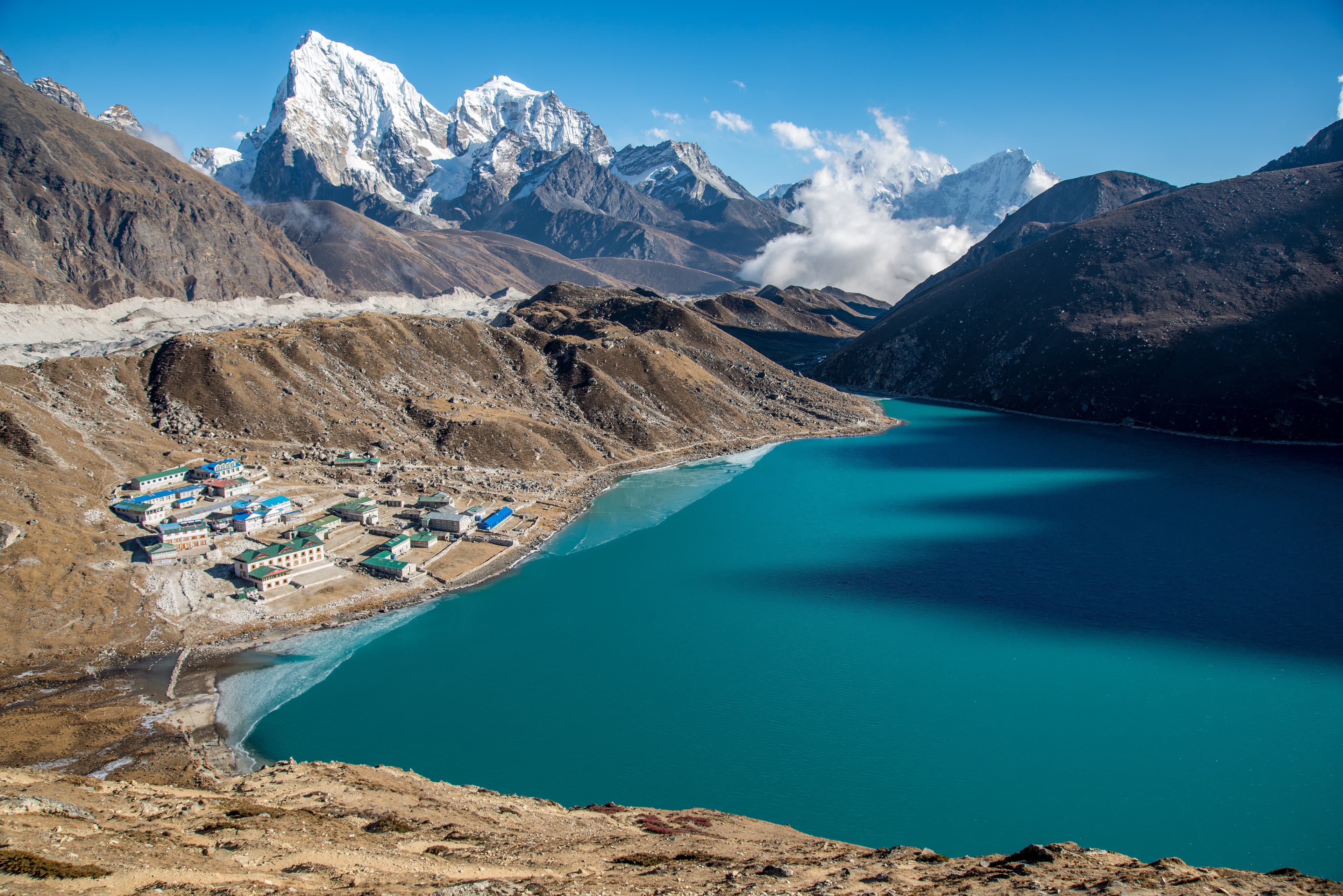
Gosaikunda Lake, at 4,380 metres in the Langtang region, is one of Nepal's most sacred natural sites — a glacial lake associated with Lord Shiva. On the full moon of the Hindu month of Shrawan (July-August), the Janai Purnima festival draws tens of thousands of pilgrims who walk from Dhunche or Sundarijal to bathe in the sacred lake.
Walking the Gosaikunda circuit as a non-festival pilgrim offers a quieter, more meditative experience: four to six days of ascent through rhododendron forests, high meadows with yak herders, and eventually the stark, wind-swept lake shore with its string of smaller sacred ponds. The descent via Laurebina Pass and Helambu combines impressive landscape with a return through Tamang villages.
Planning this trip? 🎒
Don't stress about transport or guides. Sajilo offers verified cabs, luxury tourist buses, and expert guides across Nepal.
The Muktinath Pilgrimage
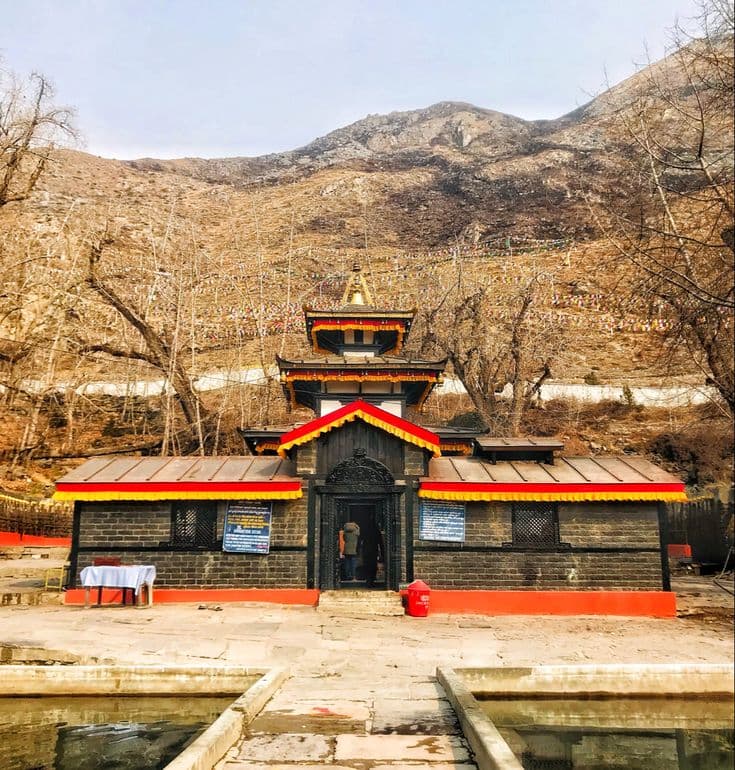
Muktinath Temple at 3,710 metres in the Mustang district is sacred to both Hindus (who associate it with Vishnu) and Tibetan Buddhists (who call it Chumig Gyatsa, meaning "hundred springs"). The temple complex includes 108 water spouts through which devotees pass ritually, an eternal flame burning from natural gas — the combination of fire and water considered uniquely miraculous — and a Gompa of the Sakyapa school.
Approaching Muktinath on foot from Jomsom or via the full Annapurna Circuit route rather than by jeep road transforms the experience. The high-altitude landscape of the Kali Gandaki gorge — the world's deepest, between Annapurna and Dhaulagiri — has a quality of grandeur that the jeep road simply cannot convey. Walking the final ascent to the temple with pilgrims chanting and prayer flags cracking in the wind is an experience of unusual power.
The Pashupatinath to Changu Narayan Walk
This low-altitude valley walk connects two of Kathmandu Valley's most sacred temple complexes through old Newar village paths and terraced fields. Pashupatinath, on the banks of the Bagmati River, is Nepal's most sacred Hindu site — an active cremation and ritual complex of extraordinary intensity. Changu Narayan, on a forested hilltop above Bhaktapur, is considered Nepal's oldest temple complex, with stone sculptures dating to the fourth to sixth centuries CE.
Walking between them on foot (approximately five to six hours) passes through living villages, farmland, and forest paths that have connected these sacred sites for centuries. This route is an accessible half-day or full-day pilgrim walk requiring no special equipment.
Swayambhunath Kora and the Boudhanath Circuit
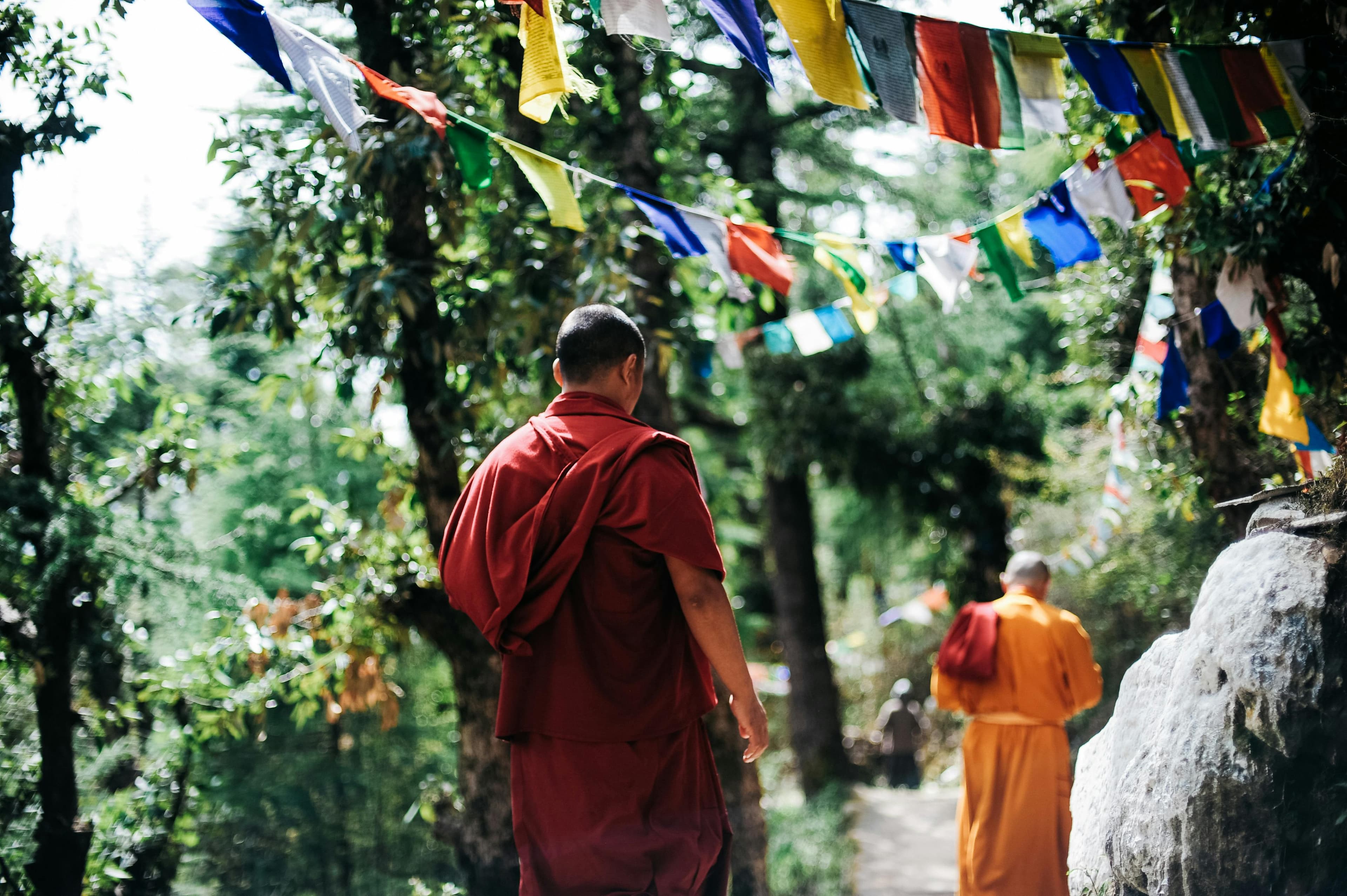
Both of Kathmandu's great stupa complexes — Swayambhunath (Monkey Temple) on its forested hill west of the city, and Boudhanath in the east — have established kora (circumambulation) routes walked daily by Buddhist practitioners. Joining the evening kora at Boudhanath — arriving around 5:30 PM as the light turns golden and the monastery bells begin — and walking the circuit with genuine attention for thirty to forty-five minutes is a freely available meditation practice in the heart of a living religious community.
Practical Walking Pilgrimage Guidance
Dress conservatively on all pilgrimage routes. Remove shoes at temple entrances. Walk clockwise around stupas, shrines, and mani walls (the long stone walls inscribed with mantras). Avoid photographing rituals or private devotional moments without permission. Offer a small donation at major temples. Maintain a slower pace than your trekking pace — pilgrimage is not about covering ground quickly.
FAQ
Q: Do I need to be Hindu or Buddhist to walk these routes?
A: No. Nepal's pilgrimage sites generally welcome respectful visitors of all backgrounds. At some inner sanctuaries of Hindu temples, non-Hindus may be asked not to enter the innermost shrine; this restriction applies to the specific area, not the entire complex.
Q: Can I combine pilgrim walking with a wellness retreat?
A: Yes — this is an increasingly common approach. Several retreat centres in the Kathmandu Valley specifically design programmes that combine retreat practice with guided cultural and pilgrimage walks.
Q: Is the Gosaikunda route appropriate for beginners?
A: The Gosaikunda route reaches significant altitude and requires basic trekking fitness. It is not suitable for absolute beginners or those with altitude-related health concerns without acclimatisation preparation.