Travel Tips
Plant Medicine and Traditional Healing Nepal
Nepal's biodiversity and indigenous healing traditions make it a significant centre of traditional plant-based medicine. This guide covers the legitimate healing practices, the cultural context, and how visitors can engage respectfully and safely.
Nepal's Plant Medicine Heritage
Nepal sits in one of the world's most biodiverse zones: a transition corridor between the Indo-Gangetic plains and the Tibetan plateau, spanning tropical forest, temperate highland, alpine meadow, and cold desert within a remarkably short horizontal distance. This compression of ecological zones has produced extraordinary botanical diversity — Nepal is home to over six thousand species of flowering plants, of which several hundred have documented medicinal use.
Indigenous healing knowledge in Nepal is held by multiple distinct communities, each with their own taxonomies, preparations, and cosmological frameworks:
Vaidyas are practitioners of classical Ayurveda, trained in the Sanskrit textual tradition. Their practice draws on the Charaka Samhita, Sushruta Samhita, and Ashtanga Hridayam — the foundational Ayurvedic texts — adapted to locally available plants.
Dhami-Jhankri (Shaman-Healers) represent the oldest stratum of healing knowledge in Nepal. Dhami-Jhankri practice spans the Tamang, Magar, Gurung, Rai, Limbu, Tharu, and other indigenous communities. Their approach integrates plant knowledge with ritual, divination, and trance, addressing illness as a disruption of relationship — between individual, community, ancestors, and spiritual forces — rather than as a purely physical event.
Planning this trip? 🎒
Don't stress about transport or guides. Sajilo offers verified cabs, luxury tourist buses, and expert guides across Nepal.
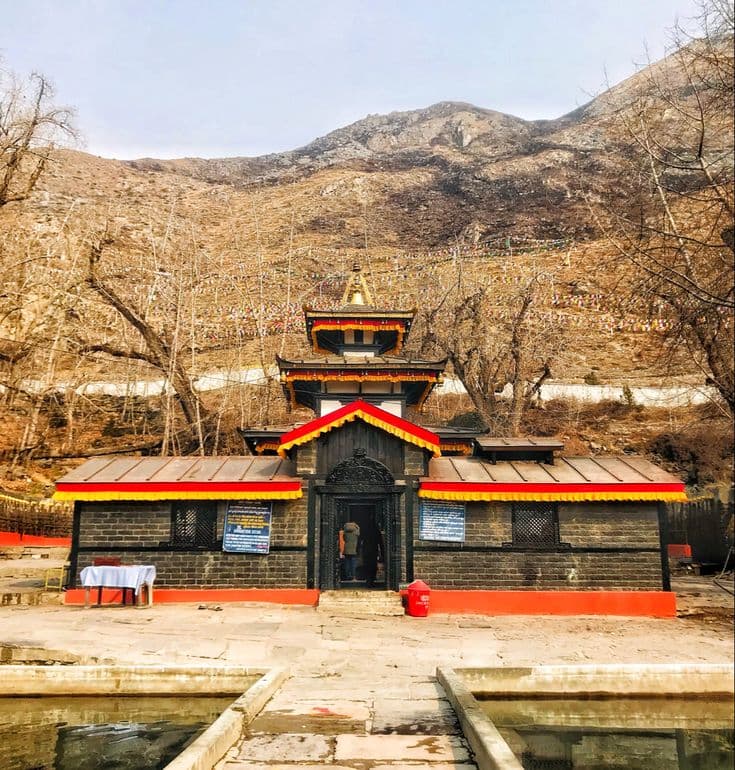
Amchis are practitioners of Sowa Rigpa (Tibetan medicine), primarily found in Mustang, Dolpo, Humla, and other high Himalayan districts. Their system is one of the world's most sophisticated traditional medicines, drawing on Tibetan Buddhist cosmology, complex herbal formulations, and detailed clinical diagnostic frameworks.
Kavirajes are traditional healers in the Terai region whose practice blends Hindu Ayurvedic and indigenous Tharu knowledge.
Key Medicinal Plants of Nepal
Yarsa Gumba (Ophiocordyceps sinensis / Caterpillar Fungus): Found at 4,000-5,000 metres in Nepal's high Himalaya, this parasitic fungus grows from the larvae of ghost moths and is one of the most prized substances in Tibetan and Chinese medicine. Used for energy, respiratory health, and longevity. Harvesting season (May-June) is a significant economic event for high-altitude communities in Dolpo, Humla, and Darchula districts.
Jatamasi (Nardostachys jatamansi): A high-altitude plant with roots used in Ayurveda and Sowa Rigpa for neurological and mental health conditions. Clinical research supports anxiolytic and neuroprotective properties.
Kutki (Picrorhiza kurroa): A low-growing alpine herb used extensively in Ayurveda for liver protection and immune modulation. Nepal is one of its primary sources; overharvesting has placed it under conservation concern.
Tejpat (Cinnamomum tamala): Wild cinnamon leaves used across Nepal as both a culinary and medicinal plant — digestive, antifungal, and hypoglycaemic properties documented.
Timur (Zanthoxylum armatum): Nepal's native prickly ash, a relative of Szechuan pepper. Used in food and traditional medicine for toothache, digestive conditions, and as an analgesic.
Chirayito (Swertia chirayita): One of the most used medicinal plants in Nepal, highly bitter, used for fever, liver disease, and as a general tonic. Overharvesting is a conservation concern.
Traditional Healing Consultations
For visitors genuinely interested in traditional healing, several options exist:
Ayurvedic Clinics in Kathmandu and Pokhara (and government dispensaries across the country) provide consultation with BAMS-qualified Vaidyas, including herbal formulation and dietary guidance.
Dhami-Jhankri Encounters are more complex for outsiders to access respectfully. These healing ceremonies occur within community contexts and should not be treated as tourist experiences. Some cultural organisations in Kathmandu facilitate respectful observation of traditional healing ceremonies with community consent and proper introductions.
Amchi Clinics exist in Mustang, Dolpo, and several Kathmandu institutions focused on preserving Sowa Rigpa. The Rigzin Ling centre in Lo Manthang (Upper Mustang) is one access point for Amchi consultation for those making the journey.
Herb Markets and Apothecaries in Kathmandu — particularly around Indra Chowk and Asan markets — display the raw material of Nepal's plant medicine tradition. Walking these markets with a knowledgeable guide or Vaidya provides direct sensory education in the plants themselves.
Conservation and Responsible Engagement
Nepal's medicinal plant resources are under significant pressure from commercial harvesting for export, habitat loss, and climate change. Responsible engagement means:
- Purchasing processed herbal products from established Nepali companies with transparent sourcing rather than buying raw plants directly from harvesters
- Not collecting plants from the wild yourself, including in areas where it may appear permitted
- Supporting conservation organisations working on sustainable harvesting practices
Important Caution on Psychoactive Plants
Nepal does not have a legal or culturally established context for ceremonial use of psychoactive plants analogous to Amazonian ayahuasca traditions. Cannabis (locally called ganja or bhang) grows wild across Nepal and has historic ritual associations with Shiva worship — it is sold openly near Pashupatinath during Shivaratri — but is legally controlled outside specific religious contexts. No established, safe ceremonial psychedelic framework exists in Nepal comparable to those in Peru or Brazil, and visitors seeking such experiences are in legally and safety-uncertain territory.
FAQ
Q: Can I bring Nepali herbal preparations back to my home country?
A: Many dried herbs and capsule preparations can be exported, but check your home country's import regulations carefully. Some plants on Nepal's medicinal plant list are also on international trade restriction lists (CITES). Liquid preparations face additional restrictions.
Q: Are Nepali herbal products quality-controlled?
A: Quality varies. Products from established Nepali herbal companies with GMP certification (Good Manufacturing Practice) have more reliable standards than market-purchased loose herbs. Look for labelling that identifies species, plant part used, and preparation method.
Q: Is Sowa Rigpa (Tibetan medicine) available in Kathmandu?
A: Yes. Several Kathmandu institutions offer Sowa Rigpa consultation and dispensary services, primarily serving the Tibetan community but open to visitors.