Travel Tips
Yin Yoga Nepal Retreat Guide
Yin yoga's slow, deep, tissue-focused approach complements Nepal's trekking culture and meditative atmosphere perfectly. This guide covers what yin yoga is, where to practice it in Nepal, and who it suits.
What is Yin Yoga
Yin yoga is a style of practice in which postures are held for three to ten minutes in a relaxed, surrendered state. Unlike the more familiar Yang styles of yoga (Hatha, Vinyasa, Ashtanga), which focus on muscular engagement and dynamic movement, Yin yoga targets the body's connective tissues — fascia, ligaments, tendons, and joint capsules — through sustained, moderate, stress-free compression and traction.
The practice draws simultaneously from two traditions: the Taoist philosophy of yin/yang balance introduced to yoga by Paulie Zink, and the Chinese medicine meridian theory developed by Paul Grilley, who mapped yoga postures to the twelve main meridians of traditional acupuncture. In this framework, long-held hip openers affect the kidney and urinary bladder meridians; supported backbends affect the stomach and spleen meridians.
Clinically, Yin yoga's sustained holds stimulate fibroblast activity in connective tissue, gradually improving joint mobility. Long holds also activate the parasympathetic nervous system, supporting recovery and reducing the physiological stress response.
Why Nepal for Yin Yoga
Nepal's trekking culture creates an obvious demand: trekkers returning from long routes carry significant connective tissue tightness — hip flexors, hamstrings, and IT bands particularly — that dynamic stretching does not fully address. Yin yoga's sustained hip and leg holds directly target the structures most stressed by repeated descent over mountain terrain.
Planning this trip? 🎒
Don't stress about transport or guides. Sajilo offers verified cabs, luxury tourist buses, and expert guides across Nepal.
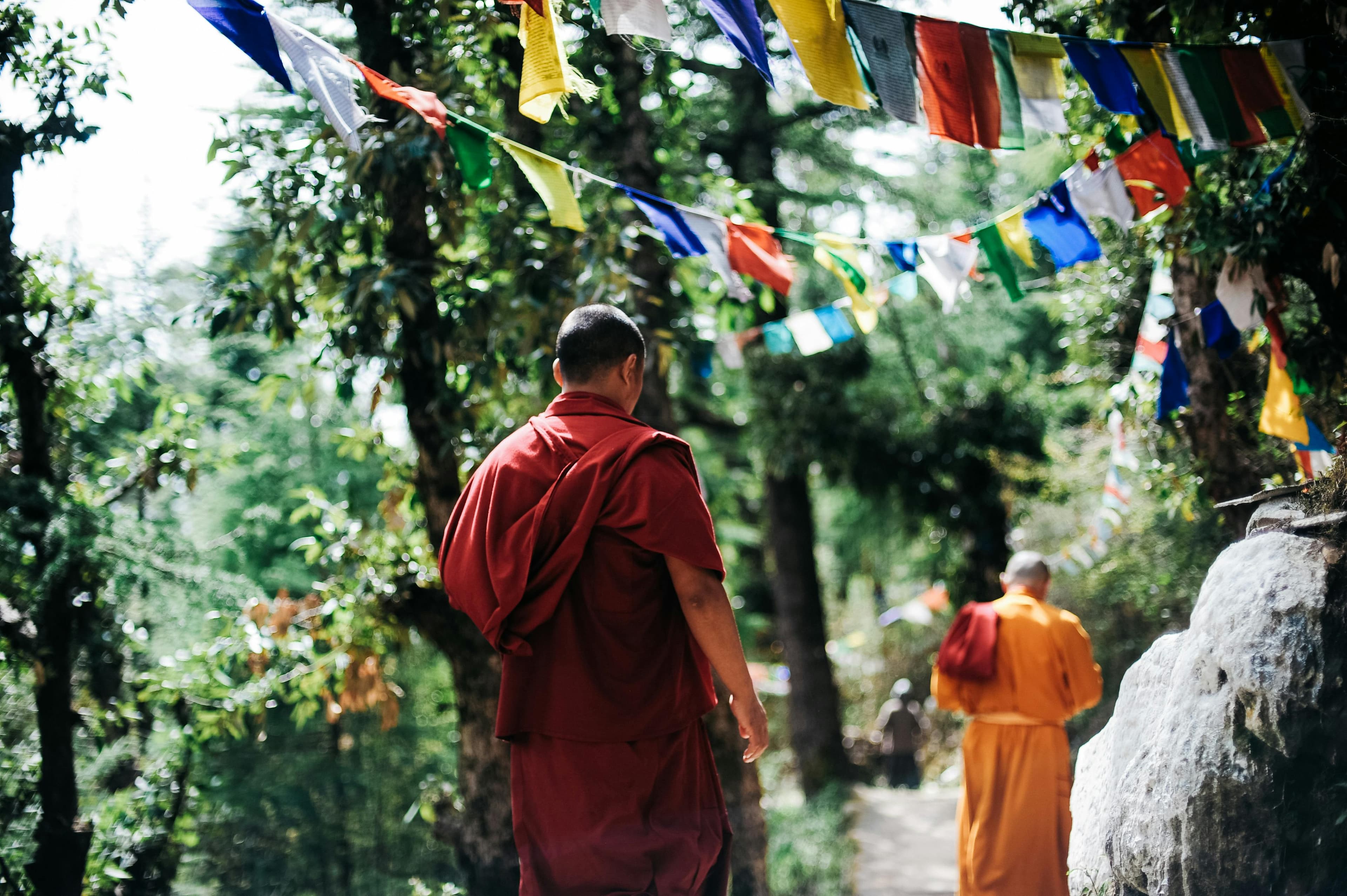
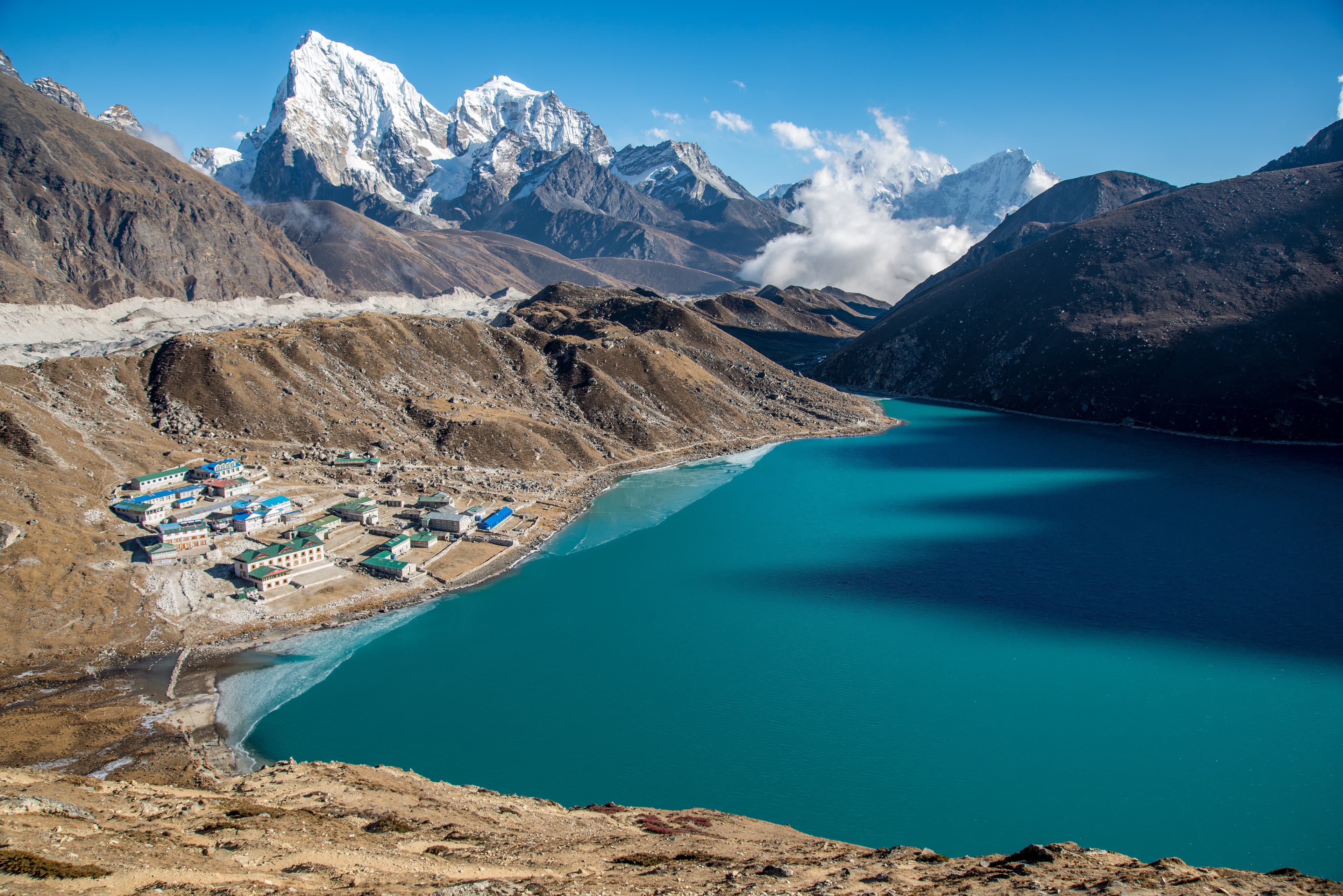
The contemplative culture of Nepal also aligns naturally with Yin yoga's meditative character. Holding a posture for five minutes in silence, observing the progression of sensation without forcing change, is essentially a meditation practice within a physical form. Nepal's monastery bells, high-altitude silence, and natural landscapes provide an extraordinary support for this kind of practice.
Yin Yoga Retreats Available
Several established retreat centres in Kathmandu and Pokhara offer dedicated Yin yoga retreats, typically five to seven days in length. The daily structure usually includes: a morning Yang practice (gentle Hatha or Vinyasa), an afternoon Yin session of ninety minutes to two hours, and an evening meditation or Yoga Nidra session.
Some centres offer Yin and Restorative yoga combined retreats, which are particularly suited to those recovering from injury, illness, or burnout. Restorative yoga — which uses props (bolsters, blankets, blocks) to fully support the body in passive opening postures — is even more accessible than Yin for those in acute recovery phases.
Who Benefits Most
Yin yoga is particularly appropriate for:
- Trekkers seeking recovery and restoration between or after routes
- Those with chronically tight hips, lower back, and hamstrings
- Practitioners of Yang-dominant styles (Ashtanga, Bikram, Vinyasa) seeking complementary balance
- Those working with anxiety, insomnia, or stress-related conditions
- People new to yoga who find vigorous styles intimidating
- Anyone seeking a more meditative, introspective practice
Practical Guidance for the Practice
Props are essential: bolsters, folded blankets, and blocks allow the body to release fully into postures without gripping. Most retreat centres in Nepal supply props; portable folded blankets work well for self-practice on the trail.
Cold environments — common in Nepal's hill areas — create stiffer connective tissue. Warm up gently before Yin sessions in cool weather, using light movement or a warm shower. The goal is not aggressive stretching but patient, sustained release.
FAQ
Q: Is Yin yoga appropriate for people with hypermobility?
A: Yes, with modification. Hypermobile practitioners benefit from focusing on stability over range, using more props to find a position where healthy stress occurs without joint instability.
Q: How often should Yin yoga be practiced?
A: Two to four sessions per week provides meaningful benefit. Daily practice of shorter sessions (thirty to forty-five minutes) is sustainable and effective for many practitioners.
Q: Can Yin yoga replace physiotherapy?
A: Yin yoga complements physiotherapy but does not replace it for specific injury rehabilitation. Always work with a qualified physiotherapist for diagnosed injuries.