Travel Tips
Winter Photography in the Nepal Himalayas
How to photograph Nepal's mountains in winter for crisp, crowd-free images.
Overview
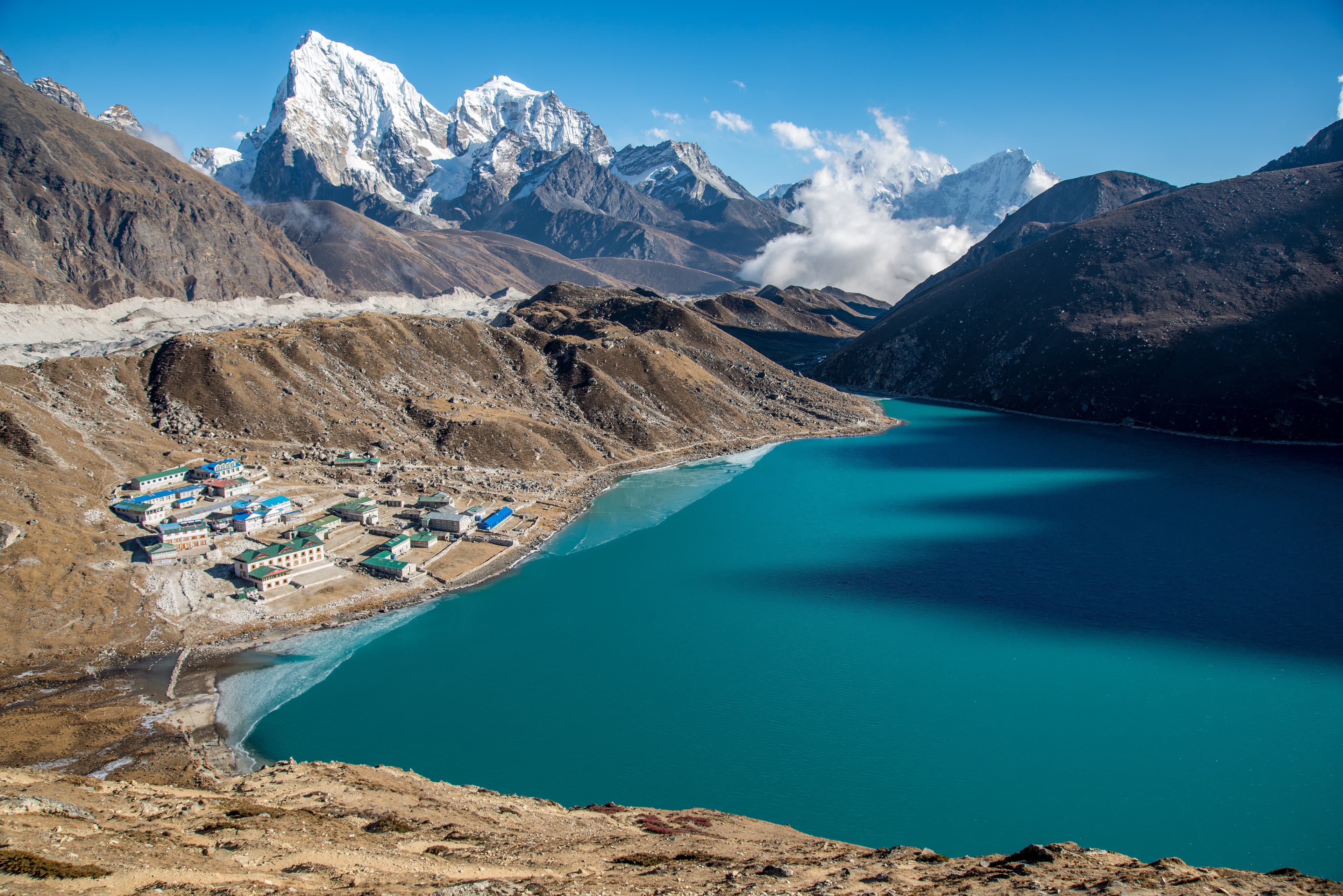
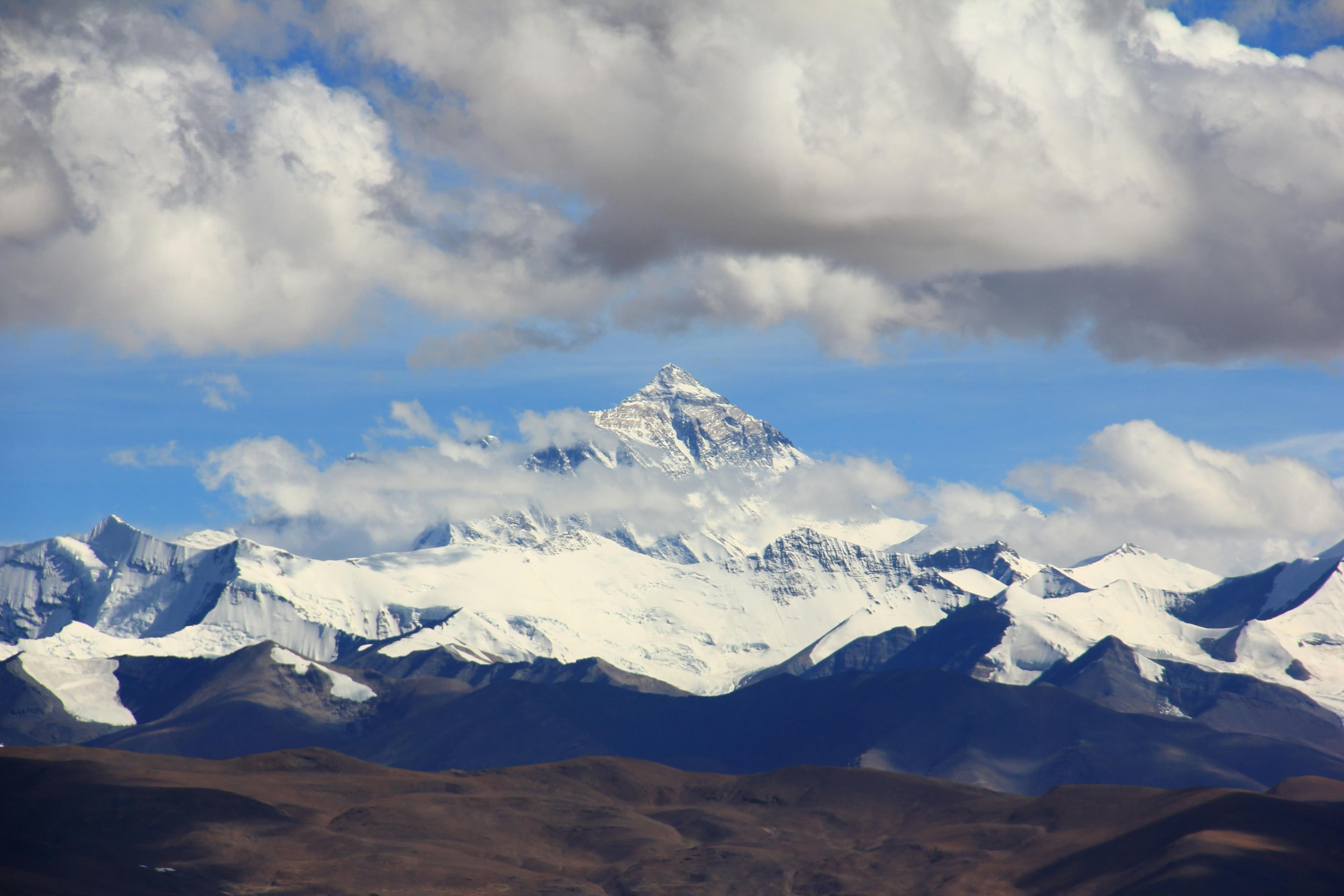
December through February is Nepal's winter, and for photography it delivers conditions that autumn crowds rarely experience. The air is exceptionally clear — visibility from Sarangkot or Nagarkot on a winter morning can stretch across the entire Himalayan arc from Dhaulagiri to Kanchenjunga. Tourist numbers drop sharply, meaning you have viewpoints largely to yourself and far more natural, unposed access to daily life in mountain villages. The trade-off is cold: temperatures at Thorong La or Kala Patthar drop to -20°C before wind chill, and low-altitude trekking trails are icy in early morning. Dress in layers and keep batteries warm inside your jacket.
FAQ
Q: What happens to camera autofocus in extreme cold?
Most modern AF systems function well down to -10°C. Below that, lubricants in lens barrel mechanisms can stiffen, slowing focus speed. Manual focus is a reliable fallback and forces you to slow down and compose more deliberately anyway.
Q: Are there any winter festivals worth photographing?
Planning this trip? 🎒
Don't stress about transport or guides. Sajilo offers verified cabs, luxury tourist buses, and expert guides across Nepal.
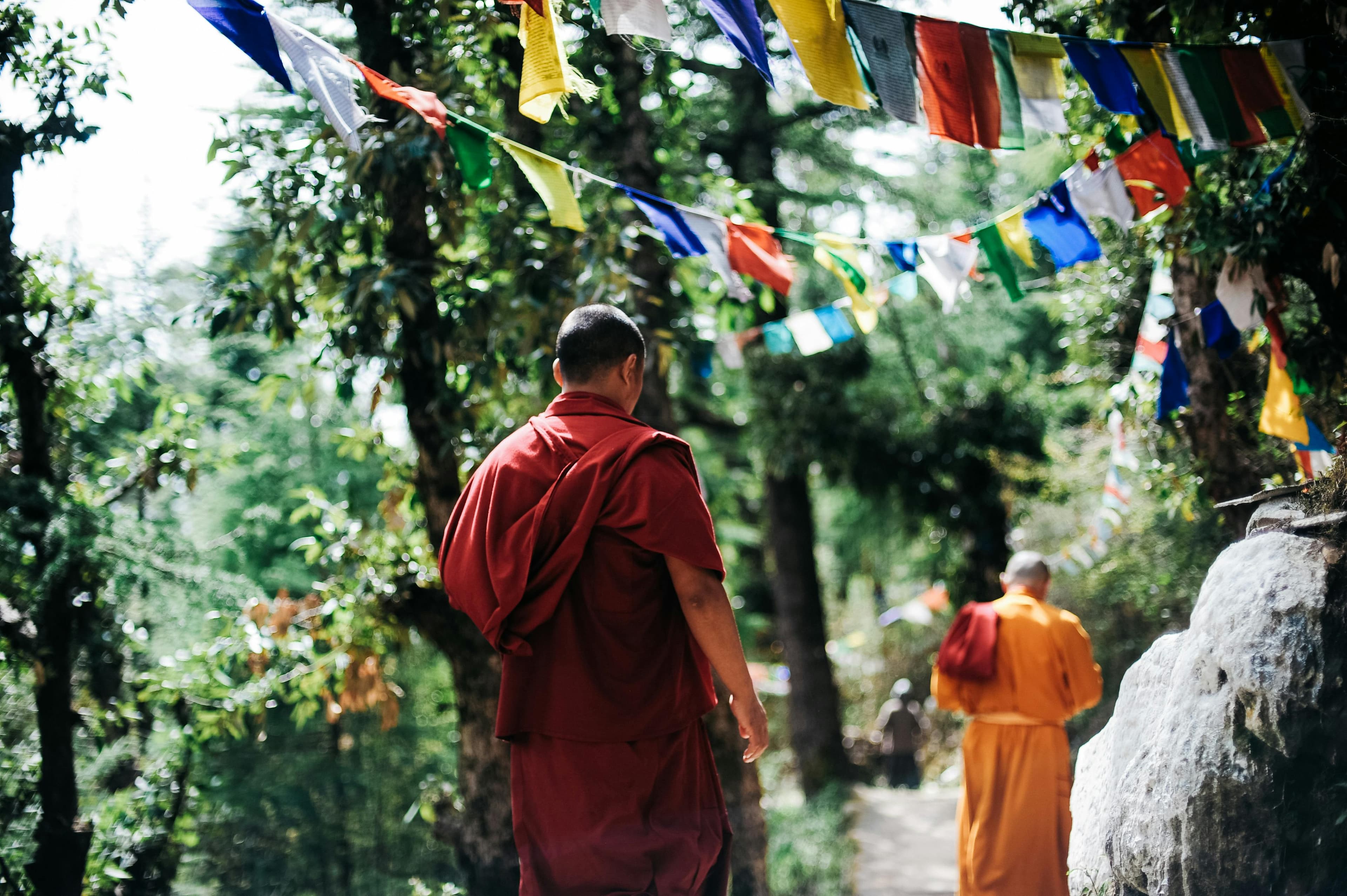
Tiji Festival in Lo Manthang (Upper Mustang) falls in spring, not winter. However, Sonam Lhosar (Tamang New Year) and Losar (Tibetan New Year) both occur in late January or February and involve colourful monastery ceremonies, mask dances, and community gatherings that are extraordinary to photograph.