Travel Tips
Trekking in Nepal Winter: Essential Tips and Route Advice
How to trek safely and comfortably in Nepal during winter — which routes stay open, what gear to pack, and how to handle cold nights at altitude.
Overview
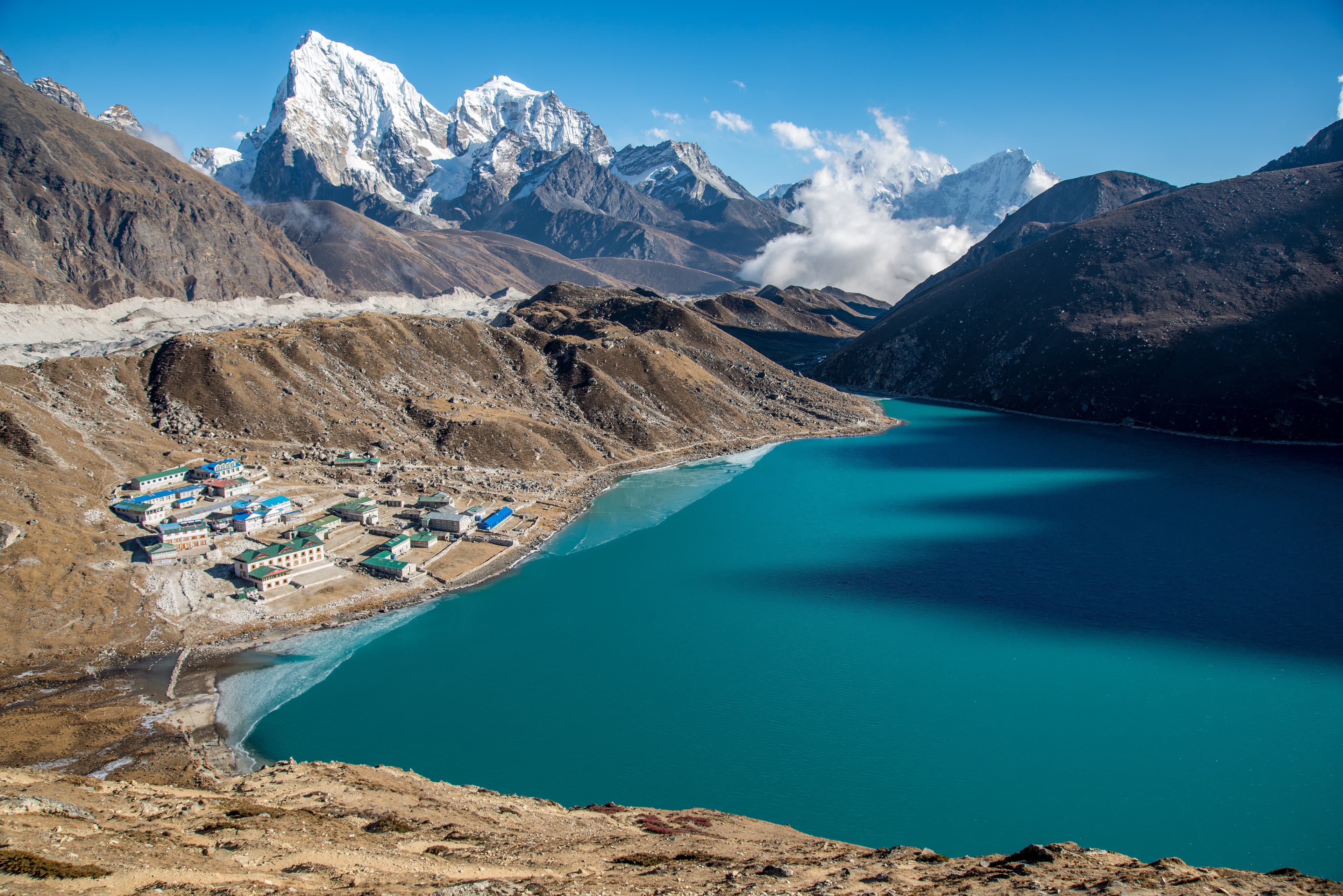
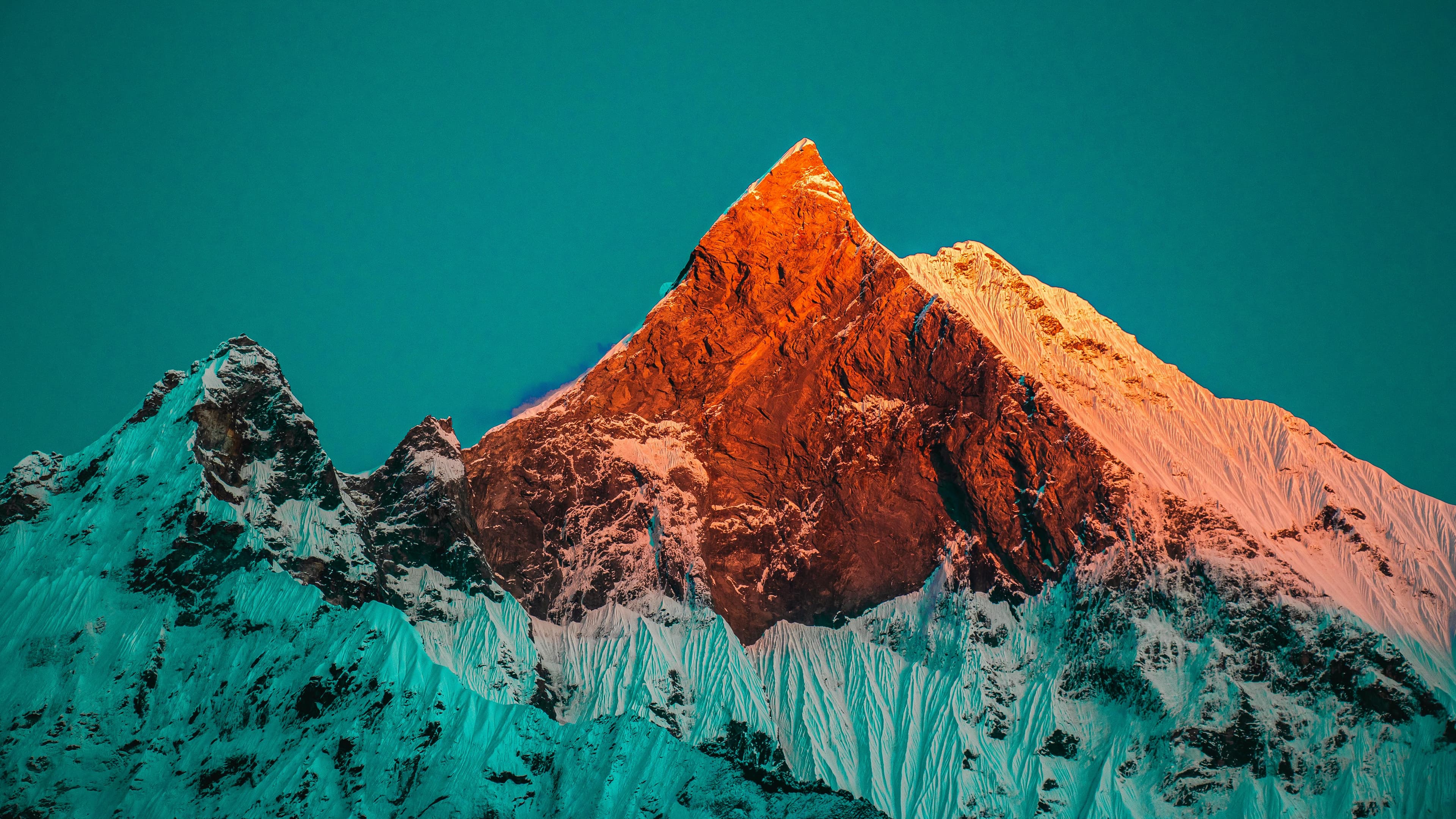
Winter trekking in Nepal (December–February) is underrated. The trails are uncrowded, the skies are often brilliantly clear, and the snow-covered Himalayan peaks reflect morning light in ways the rest of the year cannot match. The challenge is cold — serious cold at altitude — and the closure of many high passes under snow. With the right preparation and route selection, winter is one of the most rewarding times to walk in Nepal.
Routes That Work in Winter
Ghorepani-Poon Hill Loop (4–5 days): The single best winter trek. Tops out at 3,210 m at Poon Hill, which stays accessible even after light snowfall. The sunrise panorama of the Annapurna and Dhaulagiri ranges — often dusted white — is exceptional. Lodges are open throughout.
Langtang Valley to Kyanjin Gompa (7–9 days): The valley shelters from extreme cold better than exposed ridges. Kyanjin Gompa (3,870 m) is reachable in winter with proper gear. Teahouses remain open and heated with wood stoves.
Mardi Himal Trek (5–6 days): A newer route on the southern slopes of Machapuchare, relatively low altitude (tops at 4,500 m viewpoint), with increasing numbers of open lodges.
Planning this trip? 🎒
Don't stress about transport or guides. Sajilo offers verified cabs, luxury tourist buses, and expert guides across Nepal.
Mohare Danda Trek (4–5 days): A community-run trek in the Parbat district with panoramic ridge walking and excellent mountain views. Lodges are open year-round.
Annapurna Base Camp (ABC): Reachable in December with good conditions, though cold at the camp (4,130 m). January and February bring heavy snow risk on the approach through the Annapurna Sanctuary.
Gear Essentials
Cold-weather trekking demands proper equipment. Do not underestimate nighttime temperatures. At 3,500 m in January, nights regularly hit -15 to -20°C.
- Sleeping bag rated to -15°C minimum
- Down jacket (not just a fleece)
- Thermal base layers (wool or synthetic — not cotton)
- Waterproof and windproof outer layer
- Warm hat, balaclava, and gloves (mittens over liner gloves for high altitude)
- Gaiters for walking through snow
- Microspikes or crampons if planning routes above 3,500 m in January or February
- Sunscreen and glacier glasses (UV reflection from snow is intense)
Tea House Availability
Most tea houses on popular routes (Ghorepani, Langtang, Mardi Himal) remain open through winter, though some close if owners return to lowland villages. Call ahead or ask your guesthouse in Pokhara or Kathmandu to check. Lodges heat communal dining rooms in the evening with wood stoves or yak-dung burners, but bedrooms are unheated — your sleeping bag does the work overnight.
Altitude Acclimatization in Winter
Altitude sickness does not take a winter holiday. Ascend no faster than 500 m per day above 3,000 m, rest on acclimatization days, and never ascend if you have symptoms (headache, nausea, loss of coordination). Cold can mask early symptoms — pay close attention to how you feel, not just how the weather looks.
FAQ
Q: Are there fewer rescue helicopter services in winter?
Helicopter rescue services operate year-round, but flights may be delayed by weather. Comprehensive travel insurance with helicopter evacuation coverage (minimum USD 100,000 coverage) is non-negotiable in winter.
Q: Can I see Everest from lower elevations in winter?
Yes. Kala Patthar (5,545 m) is a popular Everest viewpoint but reaches serious winter cold in January. Nagarkot and Dhulikhel near Kathmandu offer free Everest views on clear winter mornings from below 2,000 m.