Travel Tips
Trekking and Yoga Combo Nepal
Combining Nepal's world-class trekking with daily yoga and meditation practice creates a uniquely integrated experience. This guide covers the best routes, logistics, and how to structure a trekking-yoga journey.
Why Trekking and Yoga Belong Together
Long-distance trekking and yoga share more than their popularity in Nepal — they share a fundamental approach to the body. Both develop awareness of breath, both require sustained presence in the physical body, both cultivate a relationship with discomfort that transforms over time into equanimity. Practitioners of both often report that each deepens the other: yoga's breath awareness enhances endurance on the trail; trekking's physical demands create a tired, receptive body that settles quickly and deeply into evening practice.
Nepal's trails are among the world's most extraordinary: dramatic elevation changes, culturally rich villages, and Himalayan panoramas that dwarf the imagination. Adding a consistent yoga and meditation practice to a trekking itinerary shifts the experience from physical adventure toward something more integrative.
Formats: Organised Retreats vs Self-Directed
Organised Trekking Yoga Retreats are led by experienced guides who combine trekking leadership with yoga instruction. Groups typically practice early morning asana and pranayama at each night's teahouse or guesthouse, with trail time spent in relative mindfulness rather than constant conversation. Evening sessions may include restorative yoga and meditation after dinner. These retreats handle all logistics — permits, accommodation, meals, and route planning — and suit those who prefer structure.
Self-Directed Trekking with Personal Practice requires only your own yoga practice and a degree of discipline. Many experienced practitioners bring a travel mat, choose routes with reliable teahouse accommodation, and maintain morning and evening practice independently. The Annapurna Circuit, Everest Base Camp, and Langtang Valley all have teahouses with adequate floor space for solo practice.
Planning this trip? 🎒
Don't stress about transport or guides. Sajilo offers verified cabs, luxury tourist buses, and expert guides across Nepal.
Recommended Routes for Yoga-Trekking Integration
Ghorepani-Poon Hill (four to six days) suits those newer to trekking or with limited time. The route is well-serviced, reaches 3,210 metres — high enough for altitude awareness but manageable — and provides spectacular Dhaulagiri and Annapurna views from Poon Hill at sunrise, a natural punctuation for morning practice.
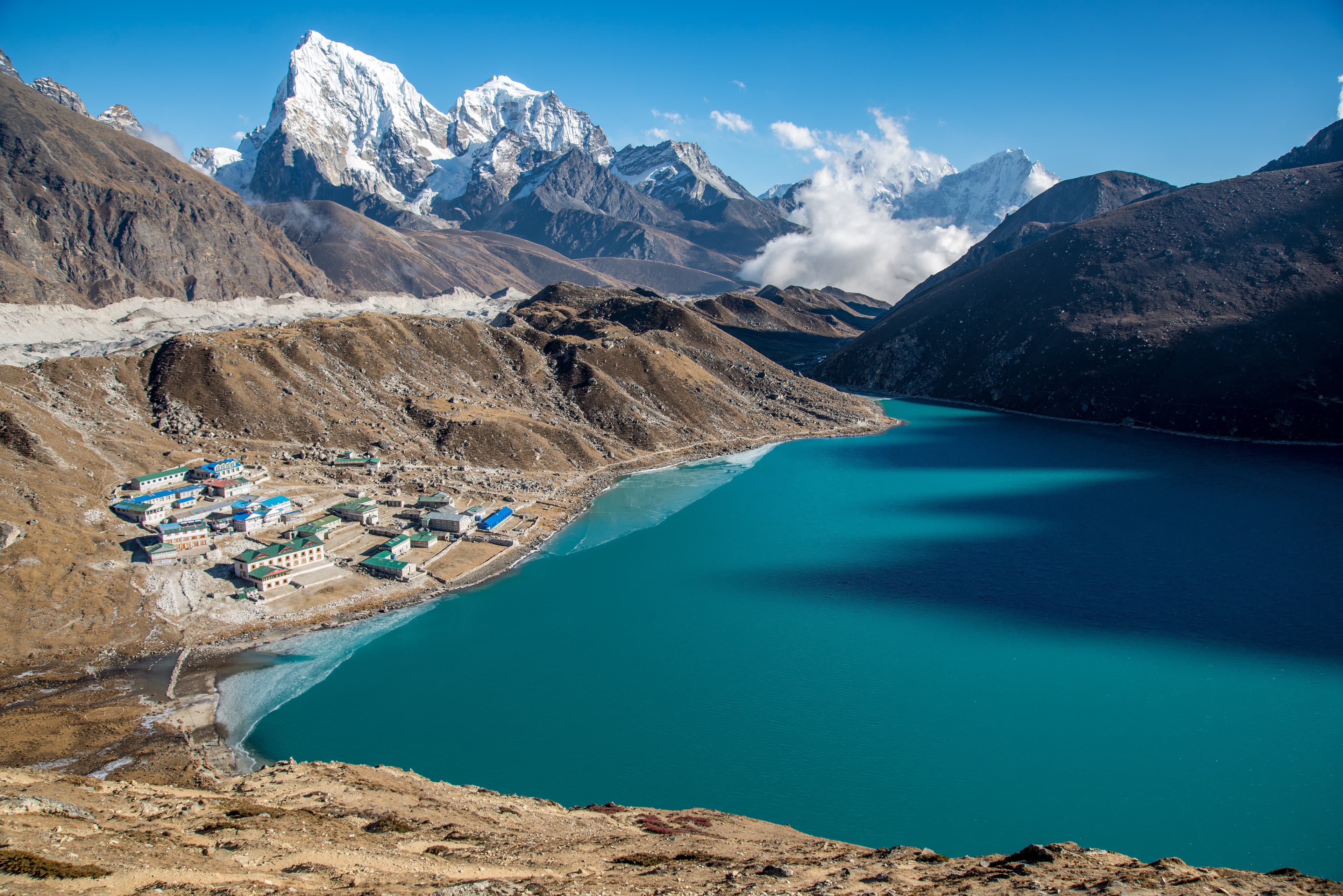
Langtang Valley (seven to ten days) offers a quieter alternative to the more crowded Everest and Annapurna routes. The Tamang cultural landscape, rhododendron forests, and proximity to Gosaikunda Lake create a spiritually evocative environment. The route is demanding but not extreme.
Annapurna Circuit (fourteen to twenty-one days) provides the full arc of a long journey — sufficient length for genuine transformation. Days of rhythm develop naturally: walk, arrive, practice, rest, sleep. The hot springs at Tatopani make an ideal midpoint for a recovery day with extended practice.
Everest Base Camp is the iconic route, demanding, rewarding, and best combined with yoga by those with substantial trekking experience and an established personal practice.
Practical Yoga on the Trail
Pack a lightweight travel mat or a small piece of carpet foam. Cotton yoga clothing doubles as trail clothing in temperate conditions. Keep your practice realistic: at altitude, intense pranayama is unnecessary and potentially counterproductive — focus on gentle breath awareness, restorative asana, and meditation rather than vigorous sequences. A twenty to thirty-minute morning practice is more sustainable across two weeks than an ambitious ninety-minute session.
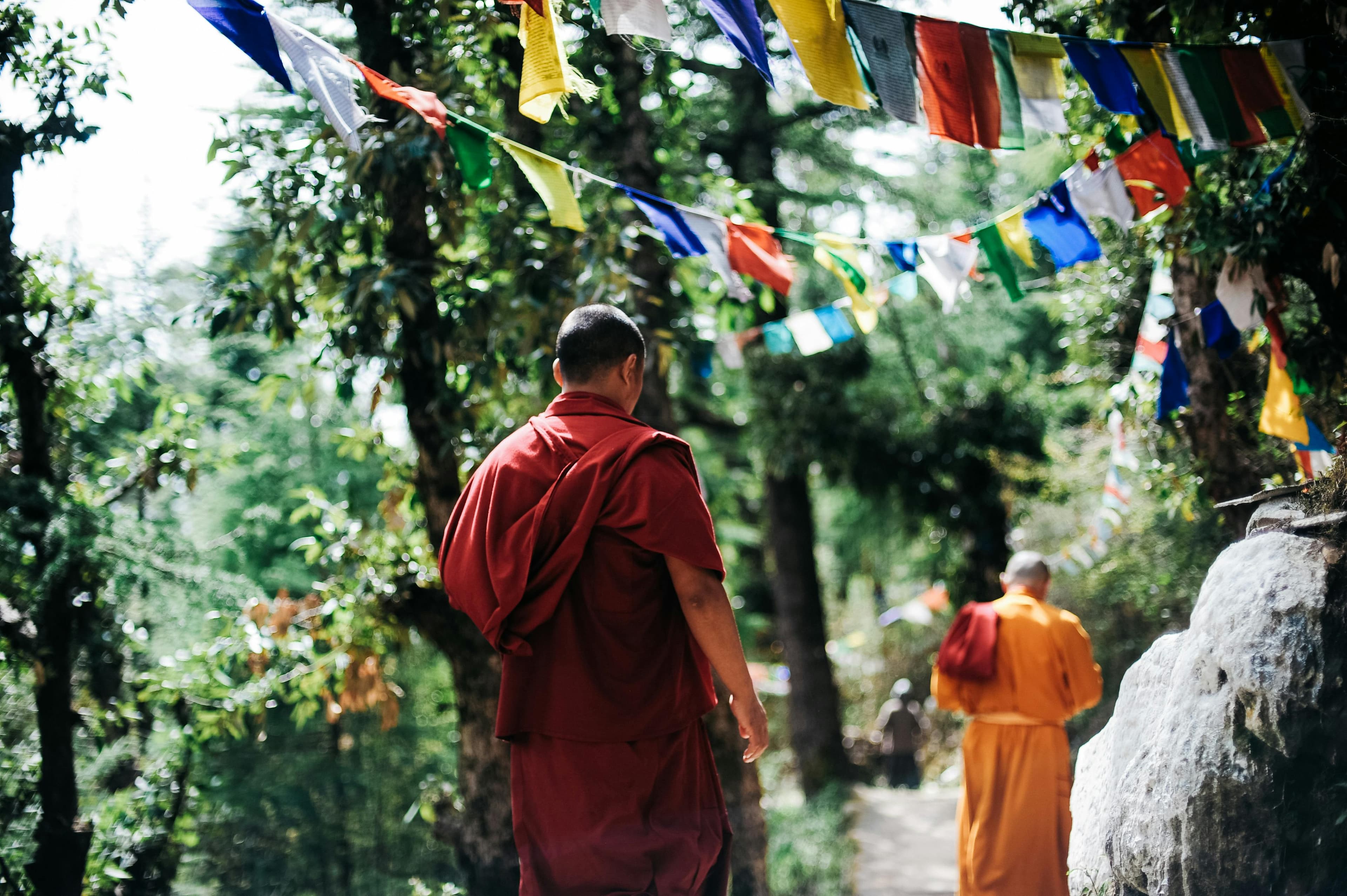
Prayer flags, mani stones, and the presence of the mountains themselves create a powerful context for meditation that requires no special preparation.
FAQ
Q: Is yoga practice affected by altitude?
A: Yes. Above 3,500 metres, vigorous asana requires more effort and recovery. Inversions and breath retentions should be approached cautiously. Restorative and gentle practices are ideal.
Q: What kind of yoga mat works best for trekking?
A: Ultra-thin travel mats (two to three millimetres) pack well but offer little cushioning on hard floors. A small rectangle of closed-cell foam or a Manduka Eko Lite strikes a reasonable balance.
Q: Can yoga help prevent common trekking injuries?
A: Yes. Hip flexor, hamstring, and calf stretching routinely done in yoga practice directly addresses the muscle groups most loaded during trekking. Practitioners often report less knee and ankle trouble than non-practitioners.