Travel Tips
Tibetan Buddhism Meditation Nepal
Nepal is one of the world's primary centres of living Tibetan Buddhist tradition. This guide covers the meditation practices, key monasteries, retreat opportunities, and how to engage respectfully with this tradition.
Nepal's Tibetan Buddhist Heritage
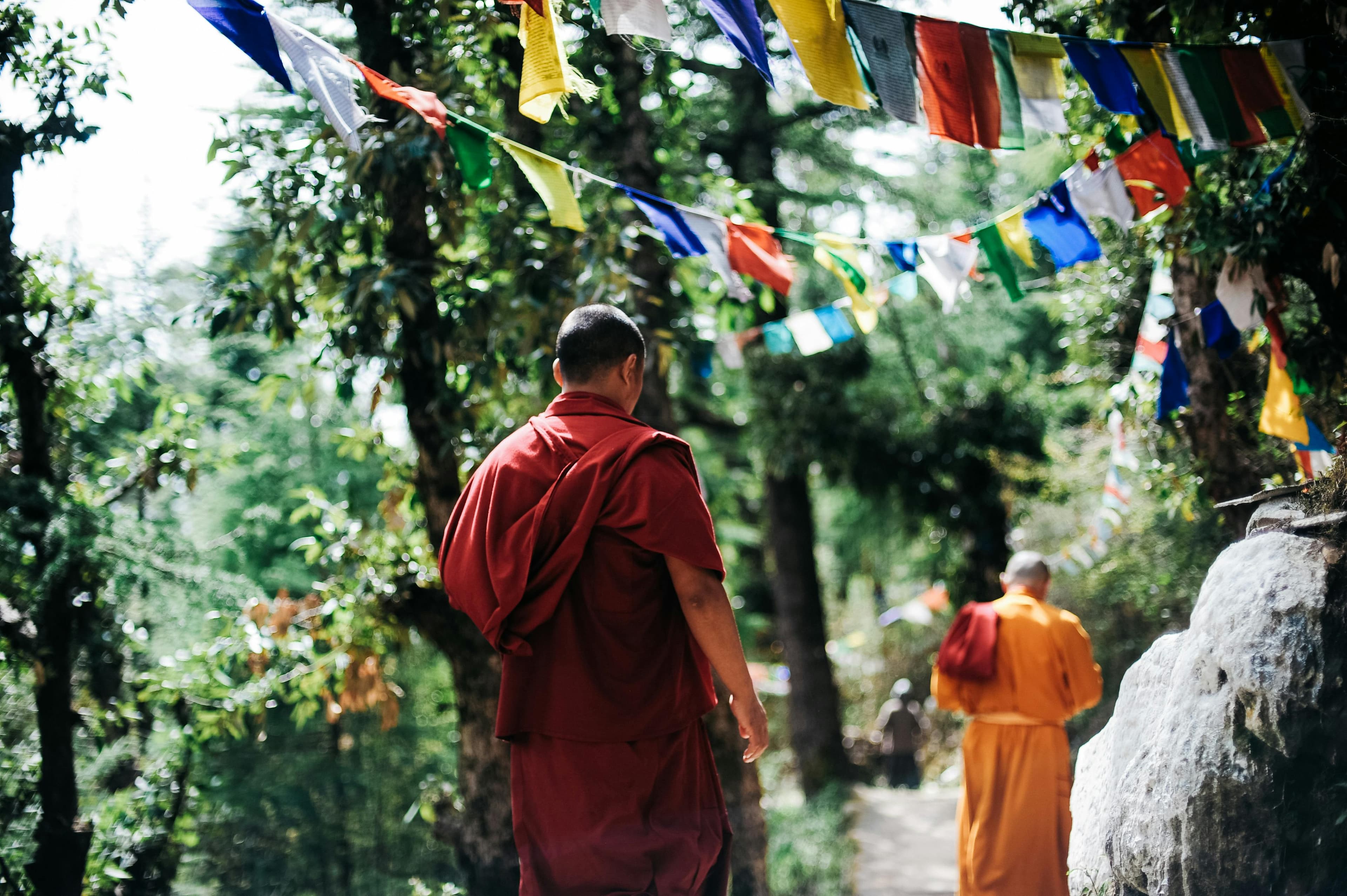
Nepal hosts one of the world's largest Tibetan Buddhist communities outside Tibet itself. Following the 1959 Chinese occupation of Tibet, tens of thousands of Tibetan refugees settled in Nepal, establishing monasteries, nunneries, and cultural institutions that have preserved and transmitted the Vajrayana Buddhist tradition. Today, communities in Boudhanath, Swayambhunath, Kopan, Pharping, and across the Kathmandu Valley continue this living tradition.
The relationship with Buddhism is not only Tibetan: Nepal's indigenous Tamang, Sherpa, Gurung, and Thakali communities maintain their own Buddhist traditions, blending Tibetan Vajrayana with pre-Buddhist shamanic practices, creating a uniquely Himalayan synthesis.
The Vajrayana Path
Tibetan Buddhism follows the Vajrayana (diamond vehicle) path, which includes the foundational Hinayana ethical training, the Mahayana development of bodhicitta (the aspiration to enlightenment for the benefit of all beings), and the Vajrayana's distinctive tantric methods for rapid realisation. These methods include visualisation practices (sadhanas), mantra recitation, mudra (sacred gesture), and mandala offering.
Central to Tibetan Buddhism is the Lam Rim (Stages of the Path) framework: a sequential development from basic renunciation through bodhicitta to direct realisation of emptiness (sunyata). Most meditation courses available to Westerners in Nepal begin with this framework.
Planning this trip? 🎒
Don't stress about transport or guides. Sajilo offers verified cabs, luxury tourist buses, and expert guides across Nepal.
Meditation Practices Available to Visitors
Shamatha (Calm Abiding) is the foundational stabilising meditation: training the mind to remain settled on a single object (breath, image, or concept) without distraction. This forms the prerequisite for all insight practices.
Tonglen (Giving and Taking) is a compassion practice in which the meditator breathes in the suffering of others and breathes out happiness. It directly opposes the habit of self-cherishing and is considered one of the most powerful Mahayana practices.
Analytical Meditation uses careful logical investigation — examining the nature of the self, the causes of suffering, the meaning of impermanence — to gradually dissolve erroneous conceptual views that maintain suffering.
Deity Yoga (Sadhana Practice) involves visualising oneself as a fully enlightened buddha figure while reciting mantras and performing prescribed ritual elements. This is Vajrayana's signature practice and is typically received after formal empowerment (wang) from a qualified lama.
Dzogchen (Great Perfection) is the highest teaching of the Nyingma tradition, pointing directly to the nature of mind without the graduated path's sequential steps. Introduction to Dzogchen requires a genuine teacher-student relationship and cannot be meaningfully practised from a book.
Key Centres for Retreat and Study
Kopan Monastery (see dedicated article): the most accessible and internationally known Tibetan Buddhist study centre for English speakers in Nepal.
Ka-Nying Shedrub Ling Monastery, adjacent to Boudhanath: a major Kagyu-Nyingma monastery where teachings and retreats are periodically offered to the public.
Rangjung Yeshe Institute, adjacent to Ka-Nying: offers formal Buddhist studies programmes in English, including semester-length and intensive courses.
Shechen Monastery, Boudhanath: a major Nyingma monastery with regular pujas and occasional public teachings.
Namdroling Monastery and Nunneries, Pharping: a forest retreat area south of Kathmandu with a strong Nyingma retreat community. Several hermitages here have hosted Westerners for extended retreat.
Thrangu Tashi Yangtse Monastery, Namo Buddha: forty kilometres east of Kathmandu, this Kagyu monastery sits at a significant pilgrimage site. Retreat facilities and courses are available.
Approaching the Tradition Respectfully
Tibetan Buddhism is a living culture with deep roots, not a museum or a wellness service. Visitors who approach it with genuine curiosity, respect for its cultural context, and willingness to follow the protocols of its institutions will find great warmth and generosity.
Dress conservatively at all monasteries: covered shoulders, long trousers or skirts. Remove shoes when indicated. Ask before photographing ceremonies or monks. Do not enter restricted areas. If you attend teachings, maintain silence and attention; do not use teachings as background to phone use or tourism.
FAQ
Q: Do I need to be Buddhist to attend meditation courses at Tibetan monasteries?
A: No. Introductory courses at Kopan and similar centres are explicitly open to people of all backgrounds.
Q: Can I receive a Tibetan Buddhist empowerment (wang) as a tourist?
A: Some empowerments are offered publicly without formal prerequisites. Others require prior relationship and preparation with a teacher. Ask before attending what is expected.
Q: How can I find out about public teachings by visiting lamas?
A: The FPMT network (fpmt.org), Rigpa (rigpa.org), and individual monastery websites publish teaching schedules. The Boudhanath area noticeboards are also a reliable local source.