Travel Tips
Teahouse vs Camping in Nepal: Which Is Right for You?
Choosing between teahouse trekking and camping can define your entire Nepal experience. This honest comparison covers cost, comfort, flexibility, and which routes suit each style.
The Core Difference
Teahouse trekking uses the network of locally run lodges along established routes. Camping treks carry all shelter, food, and cooking equipment and can reach remote areas with no permanent infrastructure. Both styles have their place in Nepal — the right choice depends on your budget, comfort preferences, and chosen destination.
Teahouse Trekking: Pros and Cons
Pros
- Light daypack — porters carry gear if needed
- Warm meals and social interaction every evening
- No equipment to buy or carry
- Supports local mountain communities directly
- Easier to adjust your itinerary day by day
Cons
- Fixed routes only — you go where teahouses exist
- Limited privacy; shared bathrooms are common at altitude
- Food quality varies; menus are repetitive above 4,000 metres
- October and November teahouses become crowded
Camping Trekking: Pros and Cons
Pros
Planning this trip? 🎒
Don't stress about transport or guides. Sajilo offers verified cabs, luxury tourist buses, and expert guides across Nepal.
- Access to remote valleys and peaks with no teahouse network
- Complete privacy and flexibility
- Gourmet camp kitchen cooks are standard on organised camping treks
- Spectacular wild campsites unavailable to teahouse trekkers
Cons
- Significantly more expensive — a full camping crew costs USD 80 to 150 per person per day
- Heavier logistics — kitchen crew, porters, cook, guide all required
- Weather dependency is higher; bad storms mean wet, cold nights
- Not suitable for independent trekkers — a fully staffed agency operation is required
Cost Comparison
A teahouse trek on the Annapurna Circuit costs approximately USD 25 to 50 per person per day including accommodation and meals. A comparable camping trek in a remote area such as the Dolpo or Upper Mustang costs USD 100 to 200 per person per day once permits, crew, food, and equipment are included.
Route Suitability
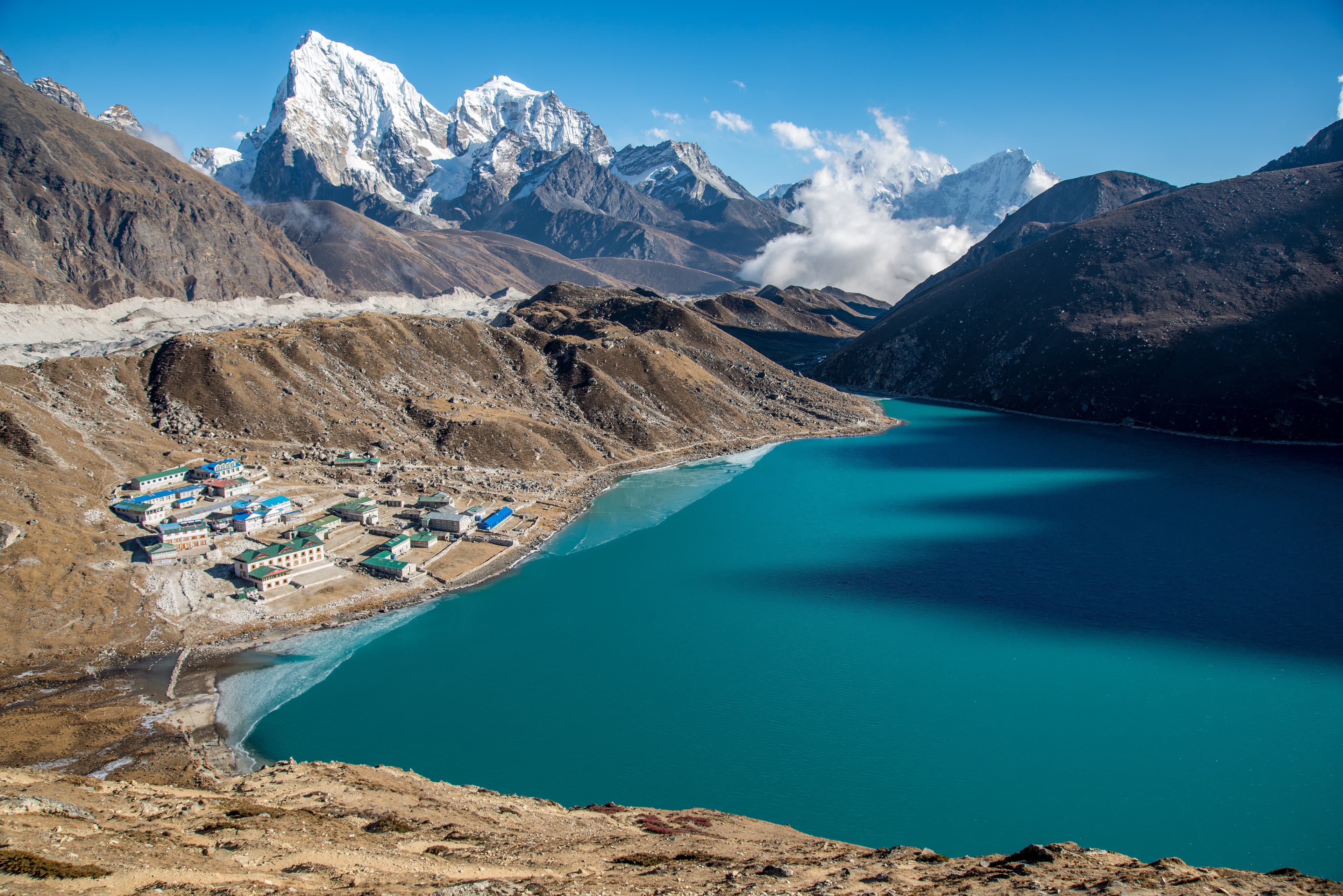
Teahouse routes: Annapurna Circuit, Annapurna Sanctuary, Langtang, Everest Base Camp, Manaslu Circuit, Ghorepani-Poon Hill.
Camping-only or camping-preferred routes: Dolpo, Kangchenjunga Base Camp (lower sections have some teahouses), Upper Dolpo, remote Humla and Mugu valleys, high passes between major circuits.
Which Should You Choose?
First-time Nepal trekkers almost always benefit from teahouse routes. The social atmosphere, the simplicity of logistics, and the lower cost make them ideal. Experienced trekkers seeking solitude, high technical passes, or remote cultural encounters should consider a camping expedition with a reputable agency.
FAQ
Can I mix teahouse and camping on one trek?
Yes. Some agencies offer hybrid itineraries that use teahouses in lower valleys and camp at high elevations where no lodges exist.
Is camping in Nepal cold?
Above 4,000 metres nighttime temperatures regularly drop below -10°C, even in October. Quality sleeping bags rated to -20°C and proper insulated tents are essential.