Travel Tips
Sunrise at Sarangkot: A Photographer's Complete Guide
How to capture the perfect Annapurna sunrise from Sarangkot above Pokhara.
Overview
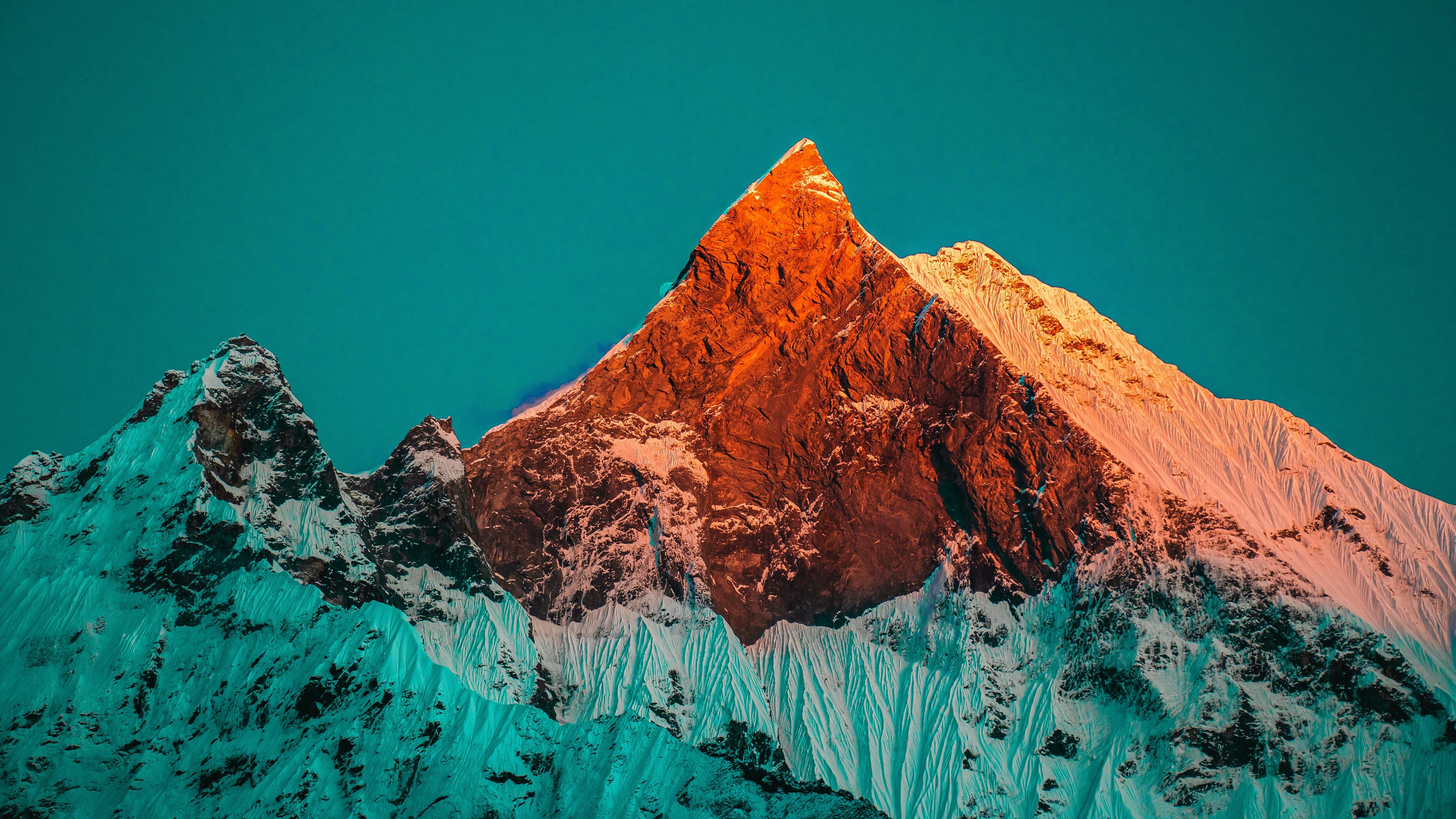
Sarangkot is one of the most reliably spectacular sunrise viewpoints in the world. Rising just over 1,500 metres above sea level above Pokhara, it presents an unobstructed west-to-east panorama of the Annapurna range, Machhapuchhre, and Dhaulagiri. When conditions align — crisp air, clear sky, and alpenglow turning the snow peaks from grey to salmon to blazing gold — the scene can silence even seasoned travel photographers.
Getting There and Timing
The standard strategy is to hire a taxi from Pokhara lakeside the night before and arrange a 4:30 a.m. pickup. The drive takes around 30 minutes and deposits you at the viewpoint base, with a ten-minute walk up stone stairs to the main platform. Arrive by 5:15 a.m. to claim a position before the tour groups arrive.
Sunrise time varies by season: as early as 5:45 a.m. in June and as late as 7:00 a.m. in December. Check a local sunrise app the evening before and set your alarm accordingly.
Camera Setup
Bring a wide-angle lens (16–35 mm) for the full panorama and a telephoto (100–400 mm) for compressed shots that flatten the layers of ridgelines. A sturdy tripod is essential — the platform gets windy and long exposures in low light will suffer from camera shake. Set your white balance to shade or cloudy to warm up the already stunning colour palette rather than neutralising it.
Planning this trip? 🎒
Don't stress about transport or guides. Sajilo offers verified cabs, luxury tourist buses, and expert guides across Nepal.
Bracket three exposures: one for the bright snow peaks, one for the middle sky, and one for the dark foreground ridgeline. Blend in post-processing for a balanced final image.
After Sunrise
Once the sun clears the ridgeline, walk down to the small village below the viewpoint. Local women carry doko (bamboo baskets) to market along the trail, and children head to school — candid portrait opportunities abound in the warm post-sunrise light.
FAQ
Q: What if clouds cover the peaks?
Cloud cover below the peaks is common October through February. Higher clouds forming above the peaks are rarer. The best months for near-guaranteed clear views are October, November, and the first two weeks of December.
Q: Can I camp overnight at Sarangkot?
Several guesthouses operate on the ridge. Staying overnight means you walk from your room to the viewpoint in five minutes, avoid the taxi cost, and can shoot the evening alpenglow the previous day as well.
Q: Is Sarangkot suitable for beginner photographers?
Absolutely. The scene is so dramatic that even a smartphone on a small tripod produces stunning results. Beginners should focus on composition rather than technical settings — the rule of thirds and a clean foreground go a long way here.