
Travel Tips
Sound Healing Singing Bowls Nepal
Nepal is the world centre for Himalayan singing bowls. This guide covers the history, science, authentic experiences, and how to find genuine sound healing practitioners and workshops.
The Himalayan Singing Bowl Tradition
Himalayan singing bowls — also called Tibetan singing bowls, though the tradition spans Nepal, Tibet, and Bhutan — are ancient instruments whose origins remain debated among ethnomusicologists. Historical evidence suggests they were used in shamanic, Bon, and Buddhist ritual contexts across the Himalayan region. Today they are produced primarily in Nepal, with the Kathmandu Valley being the global centre for both antique and newly crafted bowls.
Traditional bowls are made from an alloy of multiple metals — commonly seven metals corresponding to the seven classical planets in Tibetan cosmology: gold, silver, copper, iron, tin, lead, and mercury, though the precise composition of antique bowls varies considerably. Modern production bowls are typically brass or bronze. The difference in sound quality, resonance time, and harmonic complexity between a well-made antique bowl and a mass-produced modern piece is significant and audible.
The Science and Practice of Sound Healing
Sound healing — using vibration and resonance to promote physiological and psychological relaxation — has a growing body of research supporting its effects on the autonomic nervous system. Studies have demonstrated reductions in heart rate, respiratory rate, and self-reported tension following singing bowl sound bath sessions. The mechanism involves entrainment: the brain's tendency to synchronise its electrical activity with rhythmic external stimuli, potentially shifting brainwave patterns toward alpha and theta states associated with relaxation and meditative absorption.
In Nepal, sound healing sessions range from individual treatments (bowls placed on or around the body) to group sound baths (participants lie on mats while the practitioner plays bowls arranged around the room). The former is more therapeutic; the latter more experiential.
Planning this trip? 🎒
Don't stress about transport or guides. Sajilo offers verified cabs, luxury tourist buses, and expert guides across Nepal.
Finding Authentic Practitioners
Kathmandu's Thamel district is saturated with bowl sellers and sound healing advertisers of widely variable quality. To find genuine practitioners:
Look for study lineage. Reputable practitioners have studied under acknowledged masters, often in multi-year apprenticeships. Ask how long they have studied and with whom.
The bowl shop approach. Several old Thamel and Patan bowl shops are run by families with generations of bowl-making knowledge. These shops sometimes connect visitors with genuine players and teachers, or offer playing instruction themselves.
Retreat centres and yoga schools in Kathmandu and Pokhara often host sound healing sessions or can refer you to practitioners they have vetted.
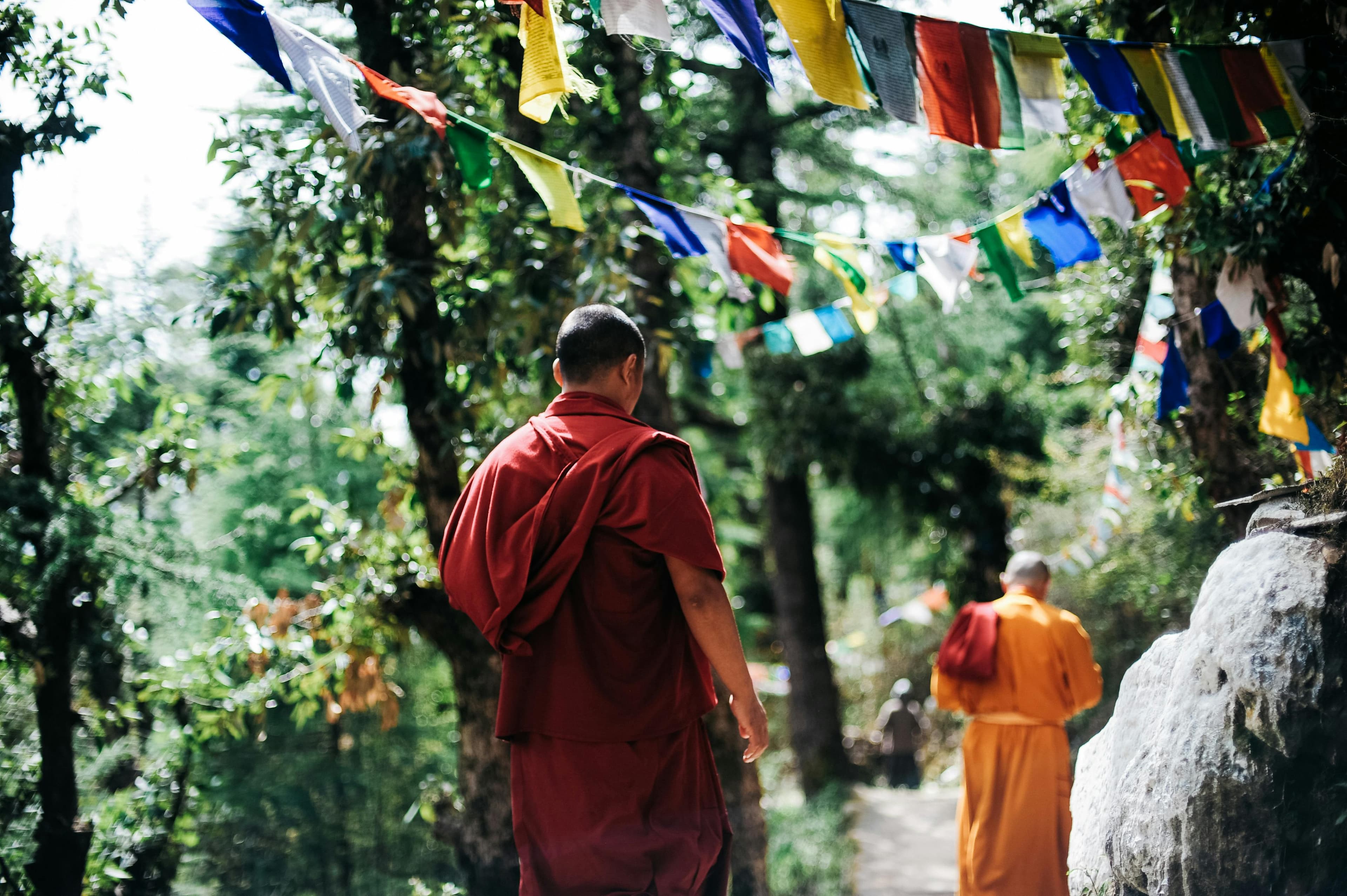
Boudhanath. The area around the great stupa has several legitimate Tibetan Buddhist healing centres where monks with genuine training occasionally offer sound-related practices.
Buying a Singing Bowl
If you plan to purchase a bowl, do so thoughtfully. Antique bowls command significant prices and require educated assessment — look at colour, patina consistency, the quality of engravings (if present), and critically, listen to the sound. Strike the bowl and run a mallet around the rim; a quality bowl sustains a complex, layered tone. Cheap modern bowls produce a thin, rapidly fading ring.
Avoid purchasing the largest or most ornate bowl you see without playing it. Playability and resonance matter more than size or appearance. A smaller, well-made bowl of the right pitch for you will serve better than an impressive-looking piece with a thin sound.
Sound Healing Workshops
Several centres in Kathmandu and Pokhara offer half-day and full-day workshops covering: the history and cultural context of Himalayan bowls, basic playing technique (striking and rimming), the role of intention in sound practice, and the physiology of resonance. These workshops are appropriate for complete beginners and provide a well-rounded introduction before committing to more intensive study.
FAQ
Q: Can I export singing bowls from Nepal?
A: Modern bowls can be exported freely. Antique bowls (generally over one hundred years old) are protected under Nepali cultural heritage law and require documentation for legal export.
Q: How do I know if a healing session is working?
A: Common reported experiences include warmth, tingling, emotional release, deep relaxation, and vivid imagery. Not every session produces dramatic effects; cumulative benefit over multiple sessions is common.
Q: Is sound healing a substitute for medical treatment?
A: No. Sound healing is a complementary practice that works alongside conventional medicine, not as a replacement for it.