Travel Tips
Solo Travel Scams to Avoid in Nepal: A Complete Guide
The most common scams targeting solo travelers in Nepal, how each one works, and exactly how to avoid them without becoming overly suspicious of genuine local hospitality.
Nepal is generally an honest country for travelers, but like any destination with a large tourist economy, a minority of operators and individuals run schemes targeting newcomers. Understanding how these work makes you immediately more resistant to them — most scams rely on information asymmetry that evaporates the moment you know what to look for.
The Gem Scam
How it works: A friendly, well-dressed local strikes up a conversation near a temple or market, offers to show you around, and eventually invites you for tea. The conversation shifts to a family gem business — importing or exporting precious stones. You are presented with an opportunity to buy gems cheaply in Nepal and resell them at a profit at home. The gems are always low-quality or synthetic. Certificates of authenticity are forged.
How to avoid it: No gem purchase made in Nepal will be profitable for a tourist. This is one of the most documented scams in Nepal and has been running for decades. Disengage politely from any conversation that moves toward business opportunities.
Planning this trip? 🎒
Don't stress about transport or guides. Sajilo offers verified cabs, luxury tourist buses, and expert guides across Nepal.
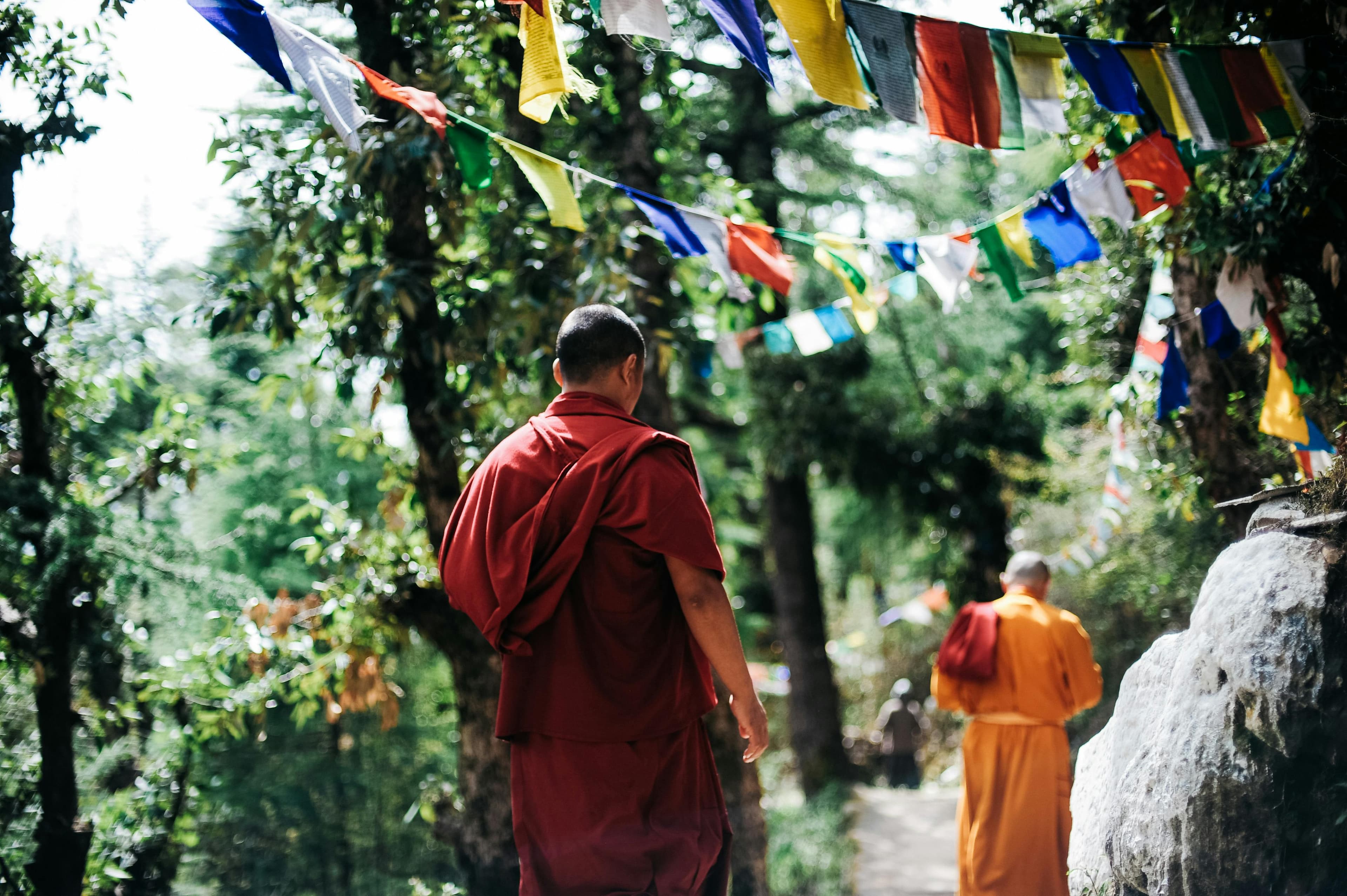
The Fake Monk
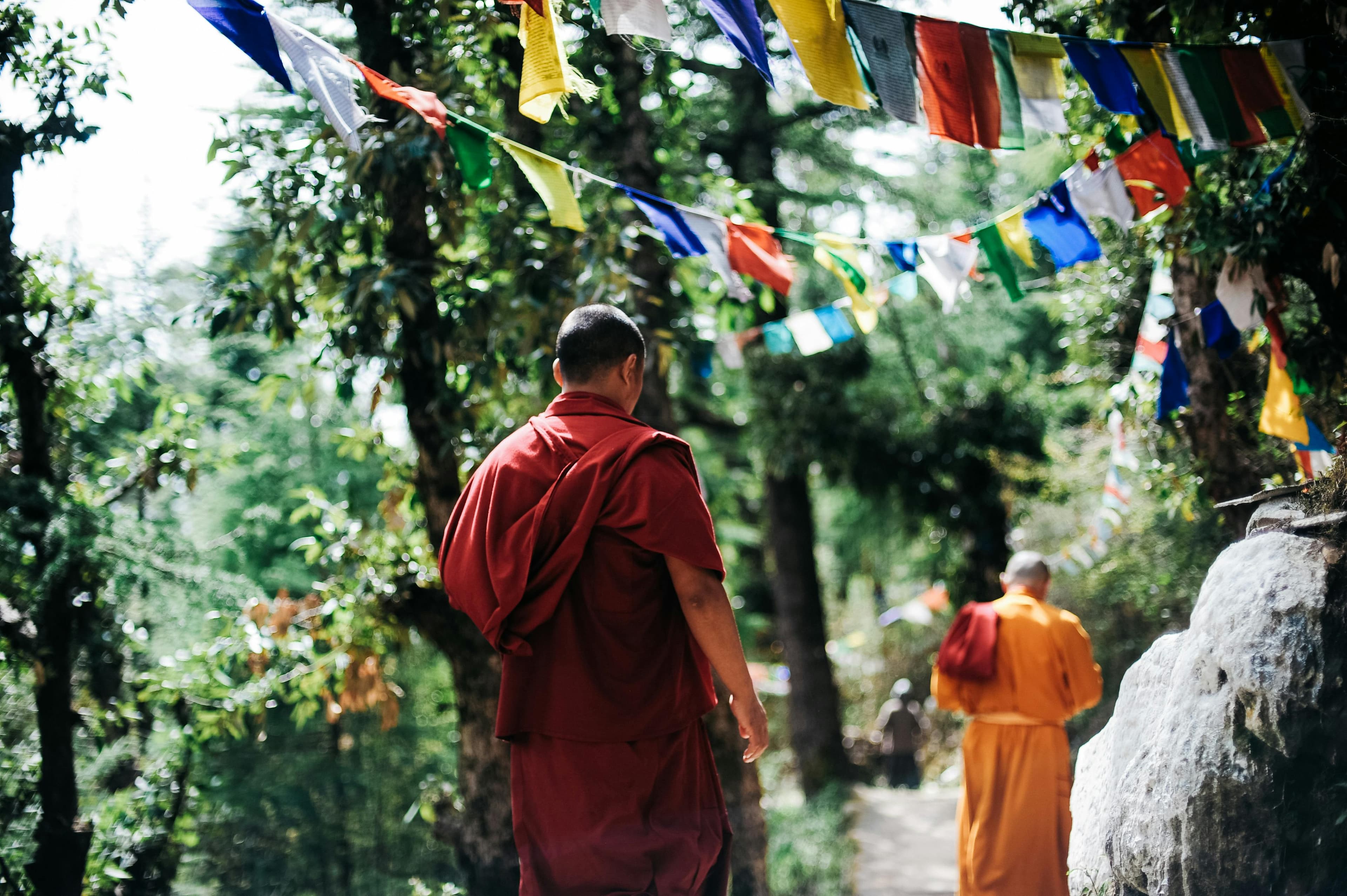
How it works: A person in monk's robes approaches you near a temple, places a beaded bracelet on your wrist, and then requests a donation. The "monks" are not associated with any monastery.
How to avoid it: Genuine monks in Nepal do not solicit donations from tourists in streets. Remove the bracelet and walk away — you have no obligation once you have accepted nothing voluntarily.
Taxi Overcharging
How it works: Taxi drivers at the airport or bus station quote inflated fares to tourists unfamiliar with standard prices, or agree to use the meter and then claim it is broken.
How to avoid it: Use the official prepaid taxi counter at Tribhuvan International Airport (Kathmandu). Standard fare to Thamel is NPR 700-900. For other journeys, use Pathao or InDrive where the fare is displayed before you confirm.
Carpet and Thangka Shop Commission Routes
How it works: Your taxi driver or "guide" takes you to shops where they receive a commission. Common in Kathmandu, particularly with taxis hired for half-day city tours.
How to avoid it: Agree explicitly with any hired driver that you do not want to visit shops. If they deviate from your agreed route, pay only for the time already spent and find alternative transport.
Fake Trekking Permits
How it works: A street tout or unofficial agency sells you a TIMS card or conservation area permit that is either forged or issued by an unregistered entity. These will fail at official checkpoints, requiring you to repurchase legitimate permits at full price.
How to avoid it: Buy all permits exclusively from the Nepal Tourism Board office (Bhrikuti Mandap, Kathmandu, or Damside, Pokhara) or at official national park entry gates.
Orphanage Tourism
How it works: Volunteers are invited to pay to work at orphanages, often with children moved between facilities to maintain the appearance of need. This is not a scam in the traditional sense but is a documented exploitation model.
How to avoid it: Do thorough due diligence on any volunteer program. Reputable organizations such as RCDP Nepal publish financial accounts and do not charge for placement in a manner that creates profit from child displays.
When Hospitality Is Genuine
It is important to note that many instances of locals offering help, conversation, or tea are completely genuine. Nepal has a strong culture of hospitality — the concept of "atithi devo bhava" (guest as god) is embedded in both Hindu and Buddhist practice. Use judgment calibrated by context rather than blanket suspicion.