Travel Tips
Solo Photography Nepal: Capturing the Himalayas Without a Companion
Photography tips for solo travelers in Nepal, covering gear choices, the best shooting locations, portrait etiquette with locals, and how to get compelling self-portraits on the trail.
Nepal is one of the world's great photography destinations — a layered visual environment of mountain light, ancient architecture, vivid festivals, and faces that reward patient attention. Solo travel creates particular photography challenges and opportunities. Without a companion to photograph you, you learn to work creatively with the environment. Without the social pressure to keep moving, you linger at scenes that reward stillness.
Gear for Solo Trail Photography
The fundamental tension for solo trekkers is weight versus capability. A mirrorless system (Sony A7C, Fujifilm X-S20, OM System OM-5) with a versatile mid-range zoom is the most practical balance. The Fujifilm 18-55mm f/2.8-4 or Sony 24-105mm f/4 covers wide mountain vistas and portrait compression in a single lens. A tripod is valuable but add a lightweight travel version (Joby GorillaPod or a carbon fibre travel stick) rather than a full-size unit.
For smartphone photography, the computational capabilities of current iPhone and Google Pixel flagships produce excellent results in daylight on the trail. Bring a dedicated camera for golden hour and low-light monastery interiors where sensor size matters.
Planning this trip? 🎒
Don't stress about transport or guides. Sajilo offers verified cabs, luxury tourist buses, and expert guides across Nepal.
Best Locations for Himalayan Photography
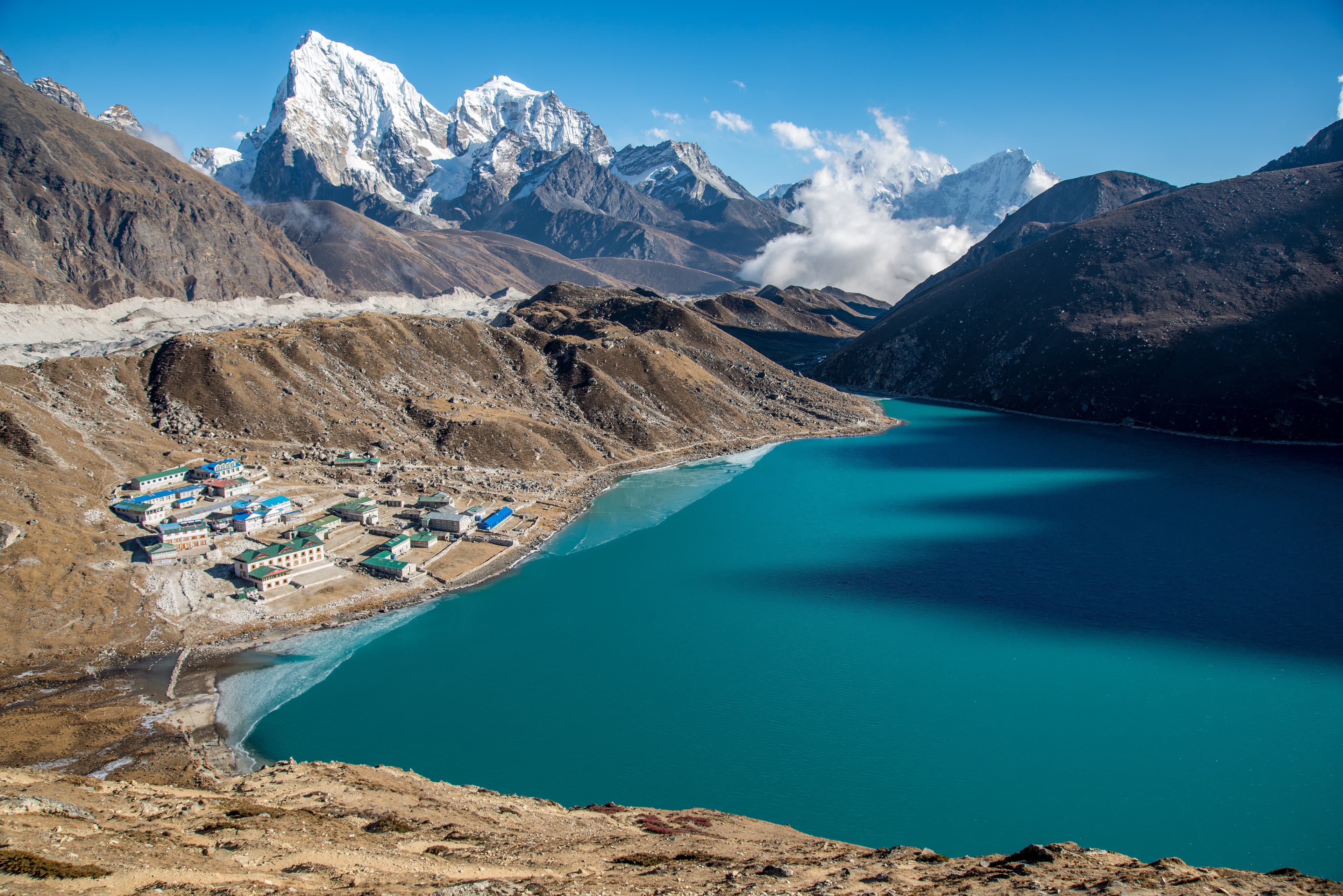
- Kala Patthar (5,644m, EBC route): The most famous sunrise Everest viewpoint on earth. Requires a headlamp descent before dawn from Gorak Shep. The Pumori shoulder fills the frame.
- Poon Hill (3,210m, Ghorepani): Annapurna sunrise panorama accessible in 5 days from Pokhara. Dozens of photographers gather pre-dawn — arrive 30 minutes before sunrise to claim position.
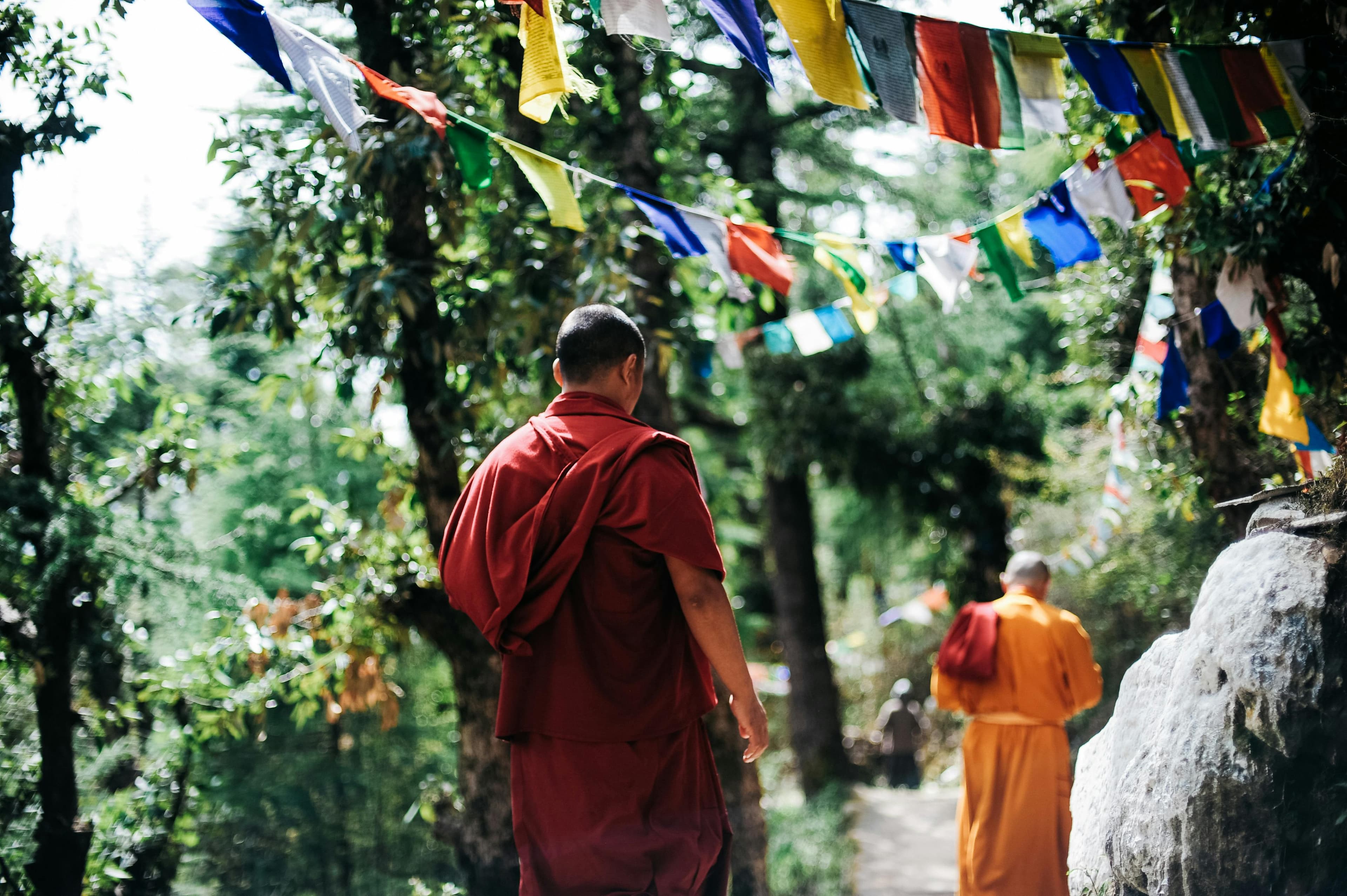
- Boudhanath Stupa at dawn: The circumambulation route at first light, with monks and pigeons and prayer flags, before tour groups arrive.
- Bhaktapur Durbar Square at golden hour: The 55-Window Palace and Nyatapola Temple in warm afternoon light, with local life in the foreground.
- Thorong La pass cairns against the blue sky at mid-morning
Portrait Etiquette
Photographing people in Nepal requires active consent-seeking, which also produces better portraits. Learn the Nepali phrase "Photo khincha?" (May I take a photo?) and use it. In tourist areas, some locals will request payment — this is reasonable if you accept. Resist photographing temple rituals, cremation ghats, or religious ceremonies without explicit permission from the officiating priests.
The high pass and teahouse portrait circuit — Sherpa family members, teahouse owners, herders with yak trains — rewards patience and genuine interaction before you raise the camera.
Self-Portraits as a Solo Traveler
A small travel tripod and a 10-second self-timer (or remote shutter) solve the self-portrait problem on the trail. Place the camera on a rock or ledge, compose with yourself in frame, and trigger remotely. The GorillaPod wraps around trail markers and teahouse railings for elevated angles.
For social media-quality self-portraits without gear, a hiking pole propped against a pack with your phone in a clip mount is a functional solution. The key for compelling solo portraits is environmental context — show the scale of the mountains or the ancient architecture, not just your face.
Light in Nepal
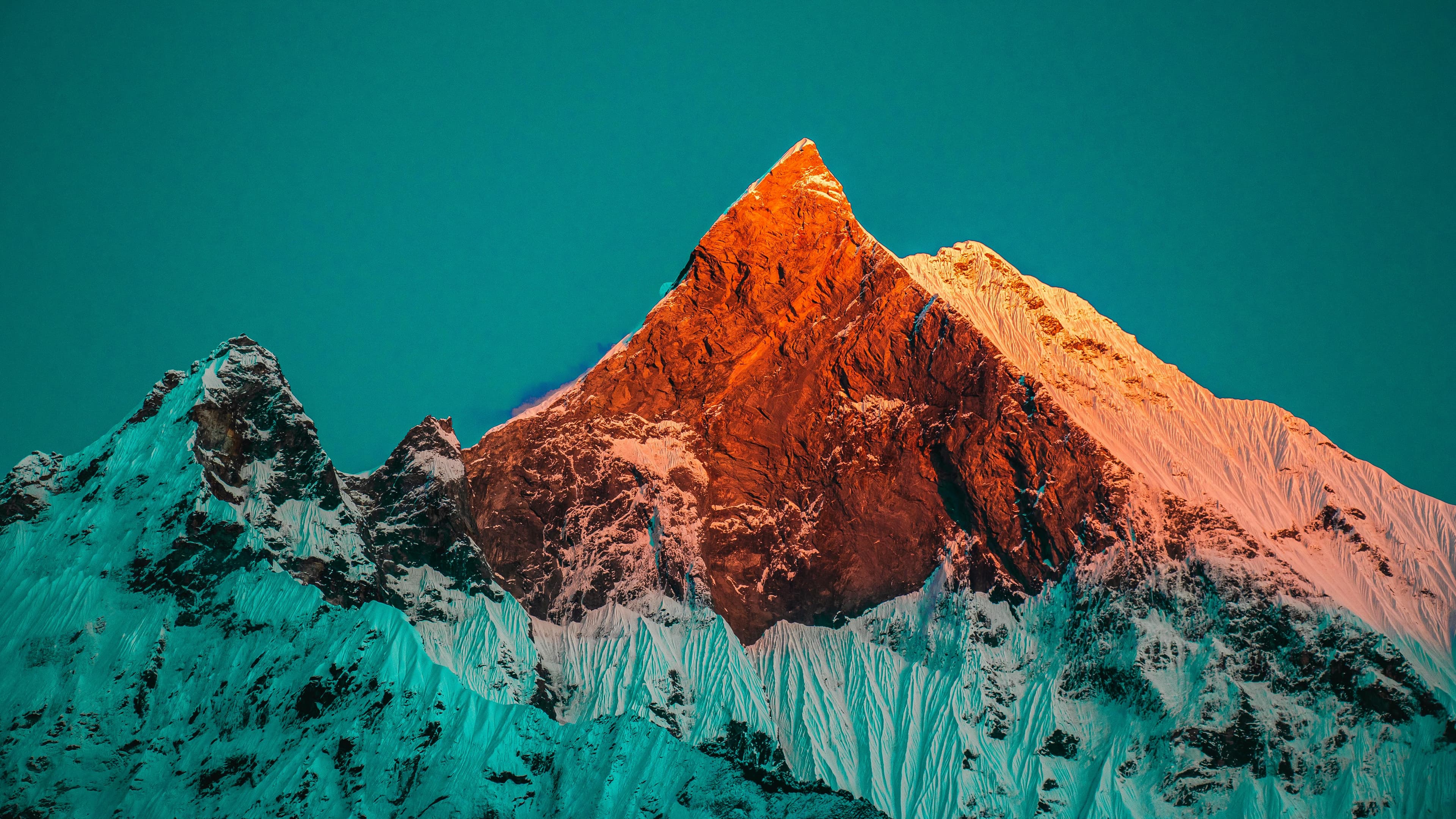
Mountain light follows predictable patterns. The hour after sunrise and the hour before sunset are the only times Himalayan peaks glow with warm directional light — the rest of the day is harsh overhead sun that flattens mountain texture. Plan your highest-elevation days to arrive at viewpoints before 7 AM.