Travel Tips
Pokhara to Annapurna Base Camp: Complete Trekking Guide
Everything you need to plan the Annapurna Base Camp (ABC) trek from Pokhara — the route, permits, accommodation, fitness requirements, and key logistics.
Overview
The Annapurna Base Camp trek (ABC) is one of Nepal's most celebrated treks, leading from the subtropical foothills around Pokhara into the heart of the Annapurna Sanctuary — a high glacial cirque surrounded by eight peaks above 6,000 metres including Annapurna I (8,091 m), the world's tenth-highest mountain. The standard round trip from Nayapul (the trailhead accessible from Pokhara) to ABC and back takes between 7 and 12 days depending on pace, acclimatisation needs, and side excursions.
Starting from Pokhara
Most trekkers travel from Pokhara to the trailhead at Nayapul by local bus or shared jeep (about 1.5 hours) or by private taxi. An alternative approach via Kande takes a slightly different initial route through Dhampus and Australian Camp, adding scenic ridge walking to the approach. The village of Siwai is another entry point for those who start their trek from a different access road.
The Route
A standard itinerary via Nayapul:
Day 1: Nayapul to Tikhedunga or Ulleri
Day 2: Ulleri to Ghorepani
Day 3: Ghorepani to Tadapani (via optional Poon Hill sunrise detour)
Day 4: Tadapani to Chhomrong
Day 5: Chhomrong to Himalaya Hotel or Dovan
Day 6: Dovan to Machapuchare Base Camp (MBC)
Day 7: MBC to Annapurna Base Camp (ABC) and back to MBC or Dovan
Day 8-10: Descent via Chhomrong to Nayapul
Planning this trip? 🎒
Don't stress about transport or guides. Sajilo offers verified cabs, luxury tourist buses, and expert guides across Nepal.
This is a flexible framework. Some trekkers combine ABC with the Ghorepani-Poon Hill circuit for a longer, more varied experience.
Annapurna Base Camp
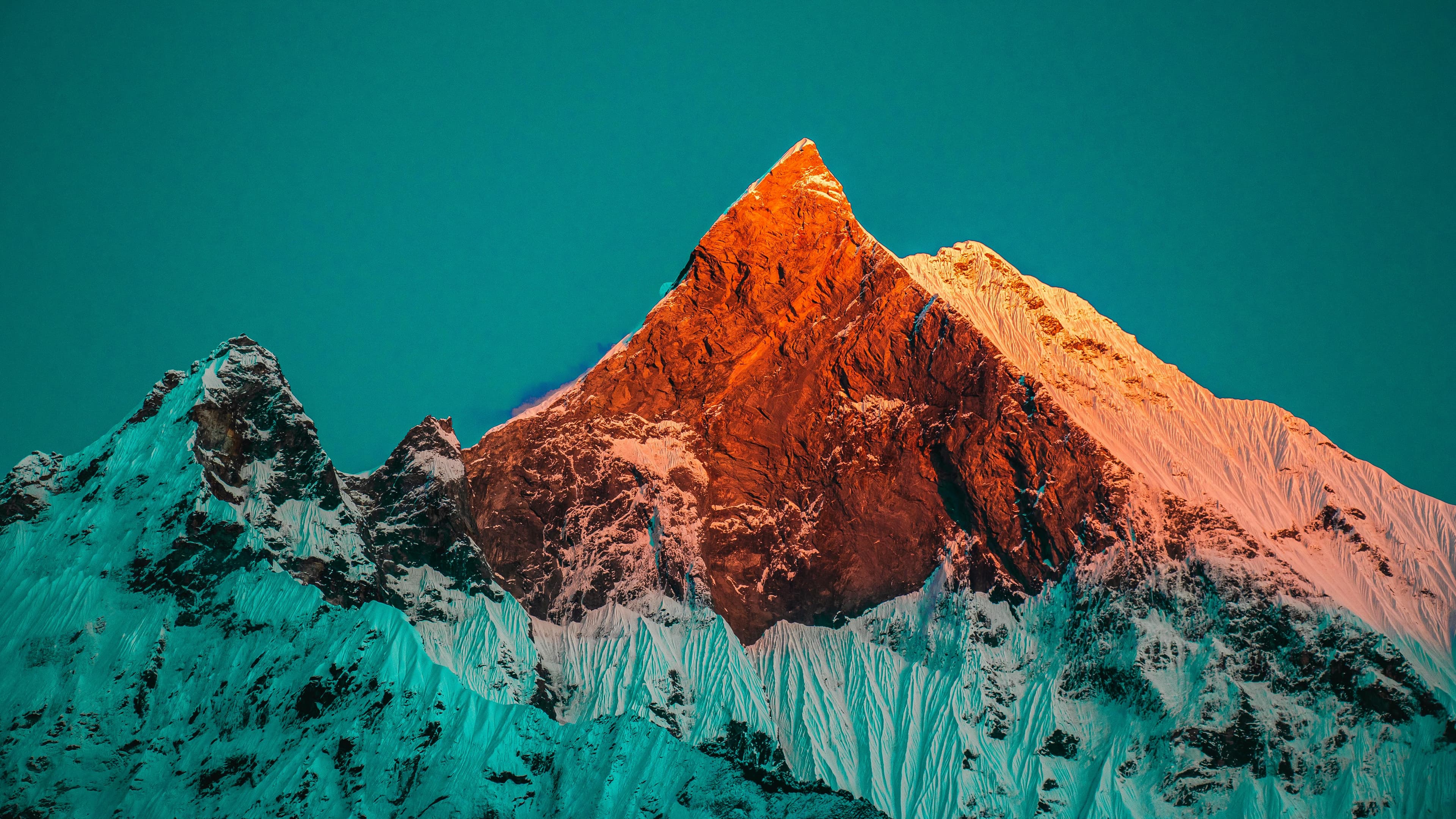
ABC sits at 4,130 metres in a glacial amphitheatre with 360-degree views of Annapurna I, Annapurna South, Hiunchuli, Machapuchare, Gangapurna, and Glacier Dome. The terrain changes dramatically as you ascend through the Modi Khola gorge — from rhododendron forests and bamboo groves to alpine meadows and finally the moraine and snow environment of the sanctuary.
Required Permits
Two permits are required:
ACAP (Annapurna Conservation Area Project permit): Issued at ACAP offices in Pokhara (opposite the tourist bus park) or at various entry checkpoints. Non-SAARC nationals pay a fee; SAARC nationals pay a reduced rate.
TIMS (Trekkers' Information Management System) card: Issued by the Nepal Tourism Board offices in Pokhara. Required alongside ACAP. Some trekking routes have modified the TIMS requirement — confirm the current status before departure.
Carry both permits and your passport at all checkpoints along the route.
Accommodation
The entire ABC route is served by a network of teahouse lodges (local family-run guesthouses) that provide dormitory or private room accommodation and set meals. Booking in advance is not generally required outside of peak season, though calling ahead during October-November is advisable. Above Dovan, guesthouses are more basic. ABC itself has a small cluster of teahouses at the base camp.
Fitness and Preparation
The ABC trek involves significant daily elevation gain, particularly on the approach sections and in the gorge above Chhomrong. A reasonable base level of cardio fitness is required — you should be comfortable walking 6-8 hours over uneven terrain with a daypack. The highest point (4,130 m) requires basic altitude awareness; allow a day at MBC before ascending to ABC if you have had any altitude symptoms.
Season
October-November: Peak season. Clear skies, stable temperatures, busy trails. Best mountain visibility.
March-May: Rhododendron bloom, building thermals, good mountain visibility. Second peak season.
December-February: Cold, especially above 3,000 m. Snow can close higher sections. Very few trekkers.
June-September: Monsoon. Leeches on lower trails, wet and slippery paths, cloud-obscured mountains. Not recommended for first-time trekkers.
FAQ
Q: Do I need a guide?
The ABC route is well-marked and has dense teahouse infrastructure. Experienced trekkers comfortable with navigation and altitude management can complete it independently. A guide adds knowledge of conditions, language assistance, and safety support — particularly for solo trekkers or those without prior high-altitude experience.
Q: Can I do the trek without a porter?
Yes, though porters significantly reduce load and physical strain. Many teahouses will store extra luggage while you trek lighter. A day pack of 6-8 kg is manageable; more becomes difficult on longer days.