Travel Tips
Pokhara by Season: When to Visit Nepal's Lake City
How weather and seasons shape a visit to Pokhara — from crystal-clear Annapurna views in autumn to monsoon waterfalls and quiet winter lakeside walks.
Overview
Pokhara sits at 827 m in a broad valley between the Annapurna massif and the Seti River gorge. The city is Nepal's second largest and the country's adventure capital — the starting point for Annapurna Circuit and Annapurna Base Camp treks, the center of Nepal's paragliding industry, and home to Phewa Lake and the famous Machapuchare reflection. How the city looks and feels changes dramatically with the seasons.
Autumn (October–November) — Best Views, Most Tourists
October and November are Pokhara's busiest months by far. The reason is simple: the Annapurna range, including Machapuchare (6,993 m), Annapurna South (7,219 m), and Dhaulagiri (8,167 m), is visible from the city in crystal clarity. Morning reflections of Machapuchare in Phewa Lake are extraordinary. The Lakeside strip fills with trekkers preparing for or returning from the Annapurna Circuit and ABC trek.
Paragliding from Sarangkot is at its most reliable in October. The thermals lift smoothly in the morning, and views from the air over Pokhara with the Annapurna range behind it are spectacular. Flights run from 9 am to noon before thermal activity becomes unpredictable.
Hotels, restaurants, and activity providers are all fully operational. Book accommodation in advance — popular Lakeside hotels sell out in October.
Planning this trip? 🎒
Don't stress about transport or guides. Sajilo offers verified cabs, luxury tourist buses, and expert guides across Nepal.
Spring (March–May) — Good Views, Greener Landscape
Spring views from Pokhara are good in March and April, with clear mornings and the Annapurna range often in sharp definition. By May, pre-monsoon haze builds and the peaks become partially obscured by mid-morning. The rhododendron forests on the Sarangkot hill and in the Annapurna foothills are in bloom during March and April, visible from the city.
Spring brings longer days and warmer temperatures. The lake is placid and pleasant for boating. Pokhara is busy but slightly less crowded than October.
Monsoon (June–September) — Lush but Cloud-Covered
Monsoon Pokhara is interesting for travelers who expect it. The peaks are hidden for most of each day behind monsoon clouds, but the landscape surrounding the city is intensely green. The Seti River gorge — visible from several points in the city — runs as a powerful torrent. Devi's Falls, an underground waterfall near the southern edge of the city, is at its most spectacular in monsoon, dropping dramatically into a cave after rain.
Tourism drops sharply during monsoon. Restaurants are quieter, prices are lower, and the city feels like a Nepali town rather than a tourist hub. Rainfall usually falls in the afternoon and evening, leaving mornings often clear enough for mountain glimpses.
Winter (December–February) — Quiet and Clear
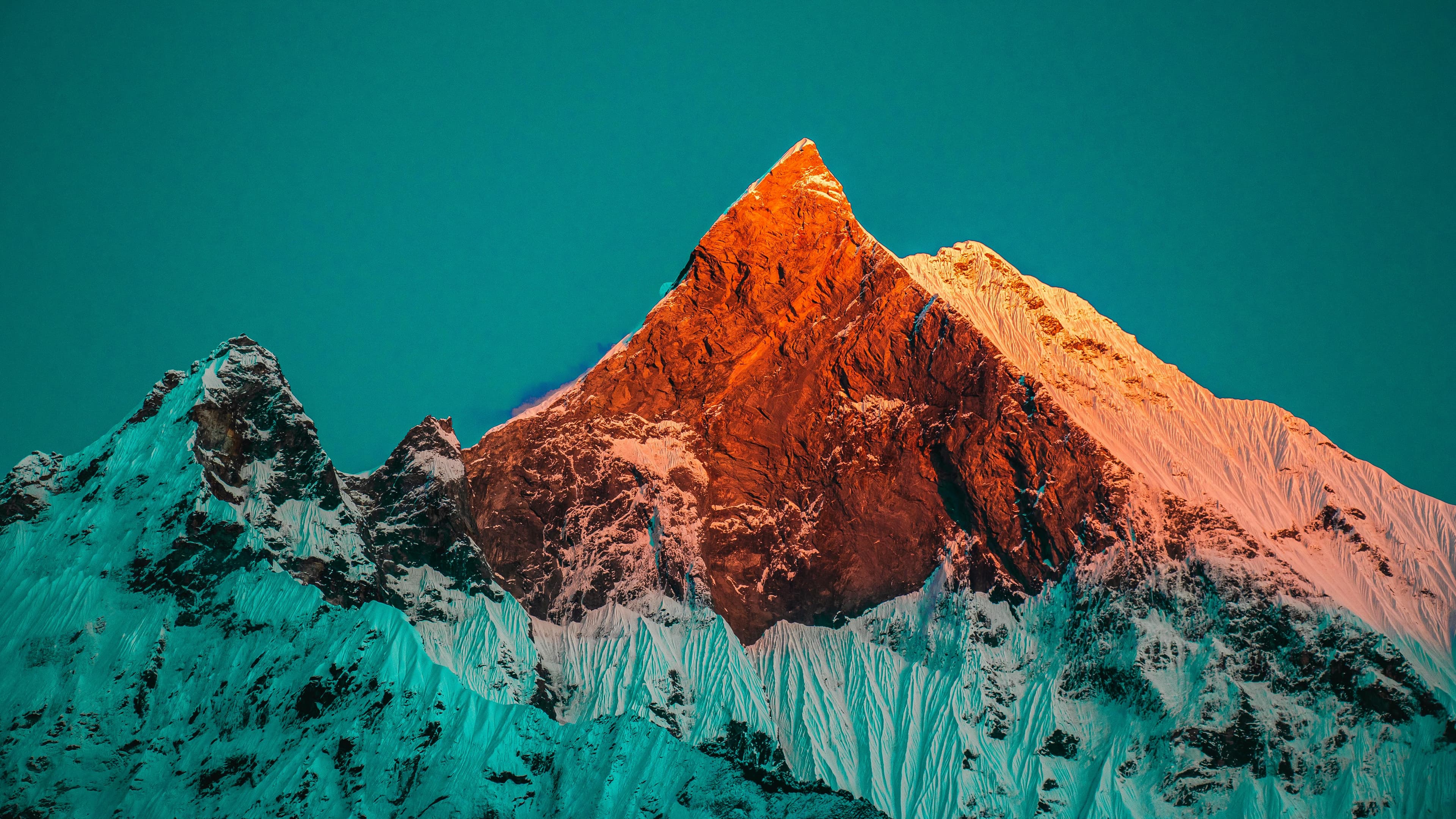
Winter Pokhara is underappreciated. The peaks are often visible on clear winter mornings (the atmospheric clarity after rains or frost is excellent), temperatures during the day are mild at 15–20°C, and the city is peaceful. The famous Sarangkot sunrise view of the Annapurna range in winter light, with snow-covered peaks glowing orange at dawn, is one of the finest mountain panoramas in Nepal.
Lakeside loses most of its tourist activity in January and February. Restaurants close early, some hotels reduce staff, and the party energy disappears. For travelers who prefer quiet exploration over busy tourist scenes, this is ideal.
FAQ
Q: Can I swim in Phewa Lake?
Swimming is permitted in Phewa Lake. The water is clean except during and immediately after heavy monsoon rain when sediment runoff muddies the lake. The area near the Tal Barahi temple island is popular for swimming in autumn.
Q: Is the Sarangkot sunrise worth doing in every season?
Autumn and spring offer the clearest sunrise views. Winter can be spectacular when mountains are snow-covered. Monsoon makes the sunrise viewpoint unreliable. Getting there requires a 4 am start from Lakeside — jeep or motorcycle taxis run at this hour.