Travel Tips
Phewa Lake Complete Guide
Everything you need to know about visiting Phewa Lake in Pokhara — boating, the Barahi Temple island, viewpoints, and the best times to go.
Overview
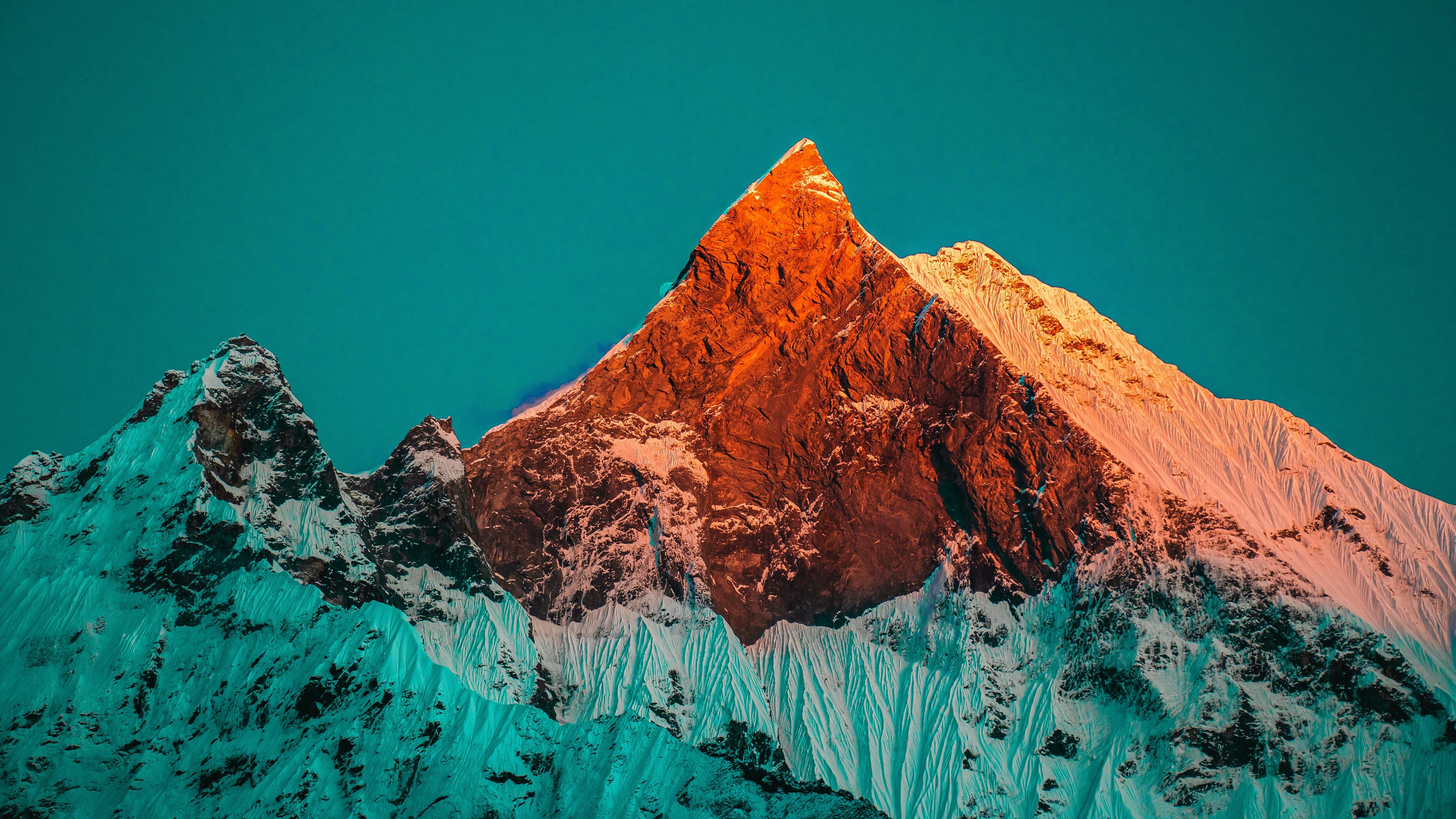
Phewa Lake is the second-largest lake in Nepal and the defining landmark of Pokhara. Covering roughly 4.43 square kilometres, it sits at an elevation of about 742 metres above sea level and reflects the Annapurna and Machapuchare peaks on clear mornings, making it one of the most photographed scenes in the country. The lakeside promenade forms the heart of tourist activity in Pokhara, lined with restaurants, cafes, boat rental shops, and souvenir stalls.
Getting to the Lake
Phewa Lake is essentially the western boundary of Lakeside (Baidam), Pokhara's main tourist district. From Pokhara's Prithvi Chowk bus park, take any local bus or microbus toward Lakeside — the journey takes about 15 minutes. Taxis from the airport or bus park to Lakeside cost a fixed negotiated fare; agree on the price before you get in.
Boating on Phewa Lake
Rowing boats and paddleboats are available for rent from the ghats along the eastern shore. The rental price is set by the hour; confirm it before departure. Boatmen for hire are also available if you prefer to be rowed rather than row yourself. The most popular destination by boat is the Barahi Temple, a two-storey pagoda sitting on a small island roughly in the centre of the lake. Visitors stop there to ring the bell, observe the temple rituals, and enjoy the panoramic mountain backdrop. Boats are generally available from early morning until sunset.
Swimming and the Lake's Ecology
Swimming in Phewa Lake is possible but the water quality has declined in recent years due to agricultural runoff and informal development around the shoreline. Sections near the northern and western ends of the lake remain cleaner. The lake supports a rich birdlife including various species of kingfishers, egrets, and ducks. Early morning is the best time for birdwatching along the quieter northern banks.
Planning this trip? 🎒
Don't stress about transport or guides. Sajilo offers verified cabs, luxury tourist buses, and expert guides across Nepal.
Viewpoints Around the Lake
The World Peace Pagoda hill on the southern shore provides the most celebrated aerial view of the lake with the Annapurna range behind it. The pagoda can be reached by boat to the southern ghat followed by a 20-30 minute uphill walk, or via road from the Damside (Pame) side of Pokhara. Sarangkot on the northern ridge also frames the lake beautifully, especially at sunrise.
Best Time to Visit
October through December offers the clearest skies and the crispest mountain reflections on the lake surface. March through May brings warmer temperatures and blooming rhododendrons on the surrounding hills. Monsoon from June through September brings mist and dramatic cloud formations, though mountain views are largely obscured. Phewa Lake is accessible year-round.
FAQ
Q: Can I swim in Phewa Lake safely?
While many locals do swim in parts of the lake, water quality monitoring data from the government has flagged elevated coliform levels near the main ghats. Exercise caution and avoid areas with visible algae blooms.
Q: Is there an entry fee for Phewa Lake?
There is no general entry fee to visit the lakeside promenade. The boat fare to the Barahi Temple island and the boat rental itself are the main costs.
Q: When is the lake most photogenic?
Arrive at the eastern ghats just after dawn on a clear day. The low-angle light combined with the Machapuchare reflection creates the classic Phewa Lake image that appears in nearly every Nepal travel brochure.