Travel Tips
Pediatric Medical Care in Nepal: What Families Need to Know
Understanding Nepal's medical infrastructure for children helps families prepare for emergencies and manage common illnesses with confidence during their trip.
Medical care for children in Nepal ranges from excellent (at specialized clinics in Kathmandu) to extremely limited (in remote mountain and jungle areas). Understanding what is available where -- and how to access it -- allows families to prepare appropriately and respond quickly if a child becomes ill or injured.
Medical Infrastructure Overview
Nepal's medical facilities are concentrated in Kathmandu. Outside the capital, options diminish rapidly.
Kathmandu: Several hospitals with pediatric departments and 24-hour emergency services. CIWEC Hospital and Travel Clinic is the recommended facility for traveling families -- it specializes in travel medicine, has English-speaking staff, and is accustomed to treating foreign children. Patan Hospital is a reliable public hospital with pediatric capacity.
Pokhara: Western Regional Hospital serves as the main public hospital. Fishtail Hospital is a private option with reasonable capacity. For serious pediatric emergencies, medical evacuation to Kathmandu (40-minute flight) may be necessary.
Planning this trip? 🎒
Don't stress about transport or guides. Sajilo offers verified cabs, luxury tourist buses, and expert guides across Nepal.
Chitwan (Bharatpur area): BP Koirala Institute of Health Sciences in Bharatpur is a teaching hospital with pediatric services. For wildlife-related emergencies, this is the nearest facility to Sauraha.
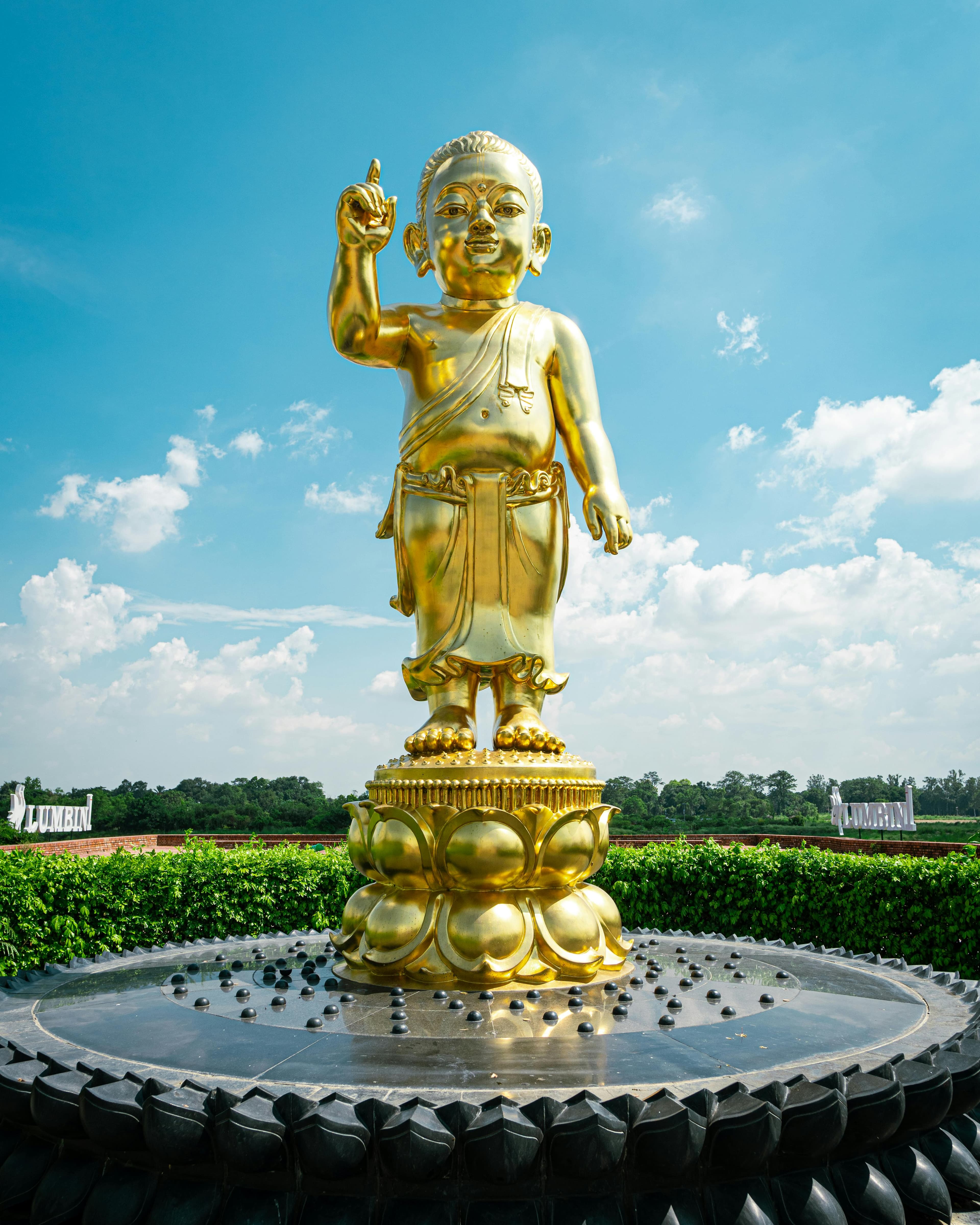
Lumbini: Basic health posts exist but serious conditions require transfer to Bhairahawa or Kathmandu. Travel with a well-stocked medical kit when visiting Lumbini.
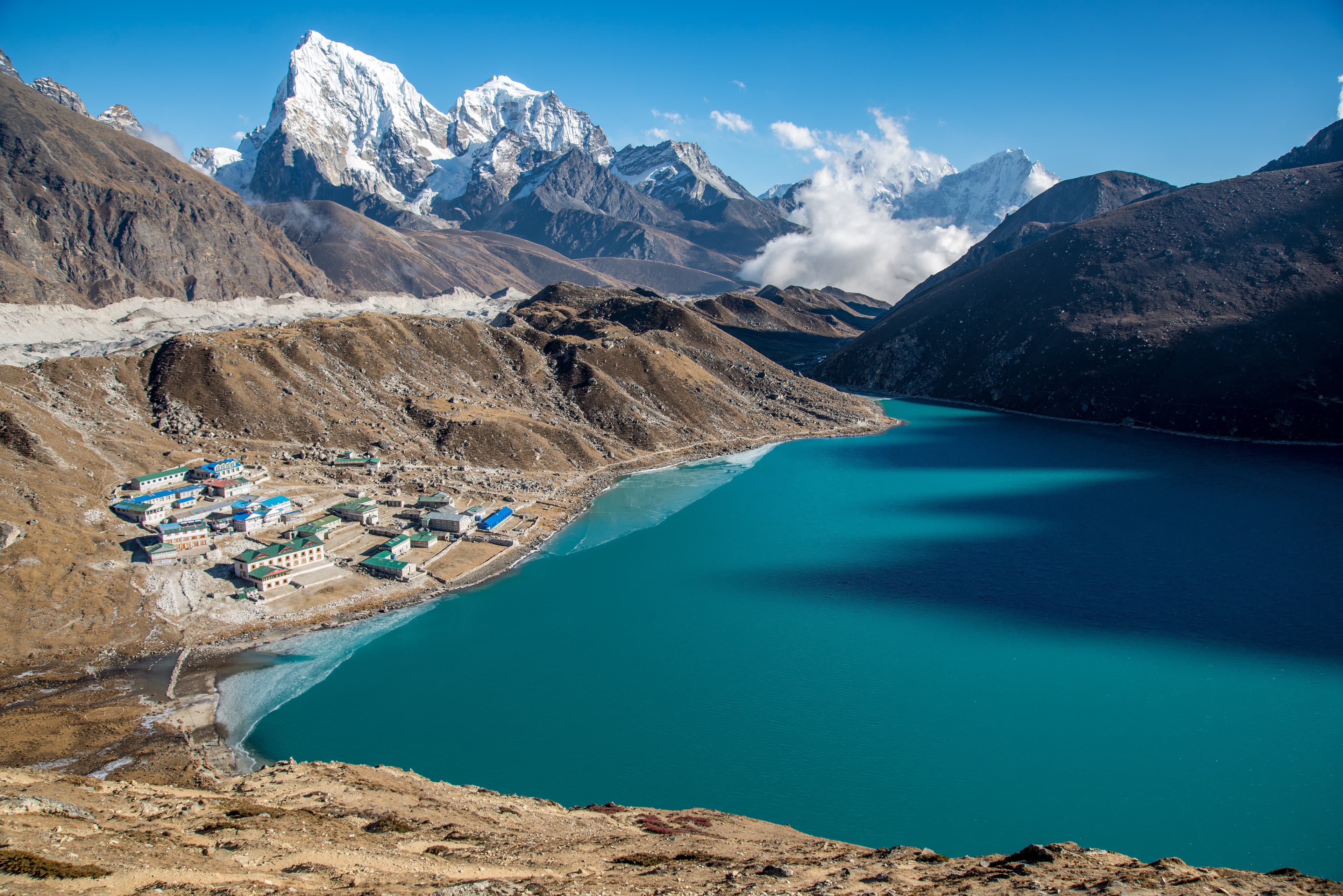
Trekking Routes: Health posts are present at some intermediate villages on popular routes but have very limited medicines and equipment. For any significant pediatric emergency above 3,000 m, helicopter evacuation to Kathmandu is the appropriate response. This is why comprehensive travel insurance with helicopter evacuation coverage is non-negotiable for trekking families.
Common Pediatric Conditions in Nepal
Traveler's Diarrhea
The most common illness affecting children in Nepal. Primary treatment is oral rehydration -- ORS sachets dissolved in safe water. Zinc supplementation (age-appropriate dose) helps reduce duration. Antibiotics (azithromycin is preferred for children) for bacterial diarrhea -- consult your travel doctor before departure.
Signs requiring immediate medical attention: blood in stool, fever above 38.5 degrees Celsius, severe abdominal pain, signs of dehydration (dry mouth, no urination, sunken eyes).
Respiratory Illness
Altitude affects the respiratory system. Above 2,500 m, respiratory infections can progress more quickly than at sea level. If a child develops a productive cough, fever, or difficulty breathing at altitude, descend and seek medical evaluation.
Kathmandu's air pollution can trigger or exacerbate asthma in children with the condition. Bring sufficient controller medication and ensure rescue inhalers are accessible.
Altitude Sickness
Any neurological symptom (confusion, severe headache unresponsive to paracetamol, loss of coordination) in a child at altitude is a medical emergency requiring immediate descent.
Animal Bites
If a child is bitten or scratched by any animal in Nepal (dogs, monkeys, bats), seek medical attention immediately regardless of whether the child is pre-vaccinated against rabies. Post-exposure protocol requires prompt action -- delay significantly worsens outcomes.
Medical Kit for Families
Carry a comprehensive family medical kit including:
- Paracetamol and ibuprofen (child-appropriate formulations and doses)
- ORS sachets
- Antibiotic for traveler's diarrhea (prescribed before departure)
- Antihistamine liquid
- Wound care supplies (antiseptic, bandages, wound closure strips)
- Thermometer
- Pulse oximeter (essential for trekking families)
- Any regular prescription medications in sufficient supply
Emergency Contacts
- CIWEC Hospital Kathmandu: 01-4435232
- Nepal Police Emergency: 100
- Helicopter Emergency Rescue: 01-4460602 (Kathmandu)
- Contact your travel insurer's emergency line directly