Travel Tips
Nepal Winter Travel Guide (December–February)
Winter in Nepal is cold at altitude but rewarding at lower elevations — fewer crowds, excellent cultural visits, and some of the clearest skies of the year.
Overview
Nepal's winter spans December through February. At high altitude, temperatures are severe — passes above 4,500 m frequently close under snow, and overnight temperatures at Everest Base Camp can fall to -30°C. But below 2,000 m, winter is mild and often sunny, making it an excellent time to visit Kathmandu, Pokhara, and Chitwan without the crowds or expense of peak season.
Kathmandu in Winter
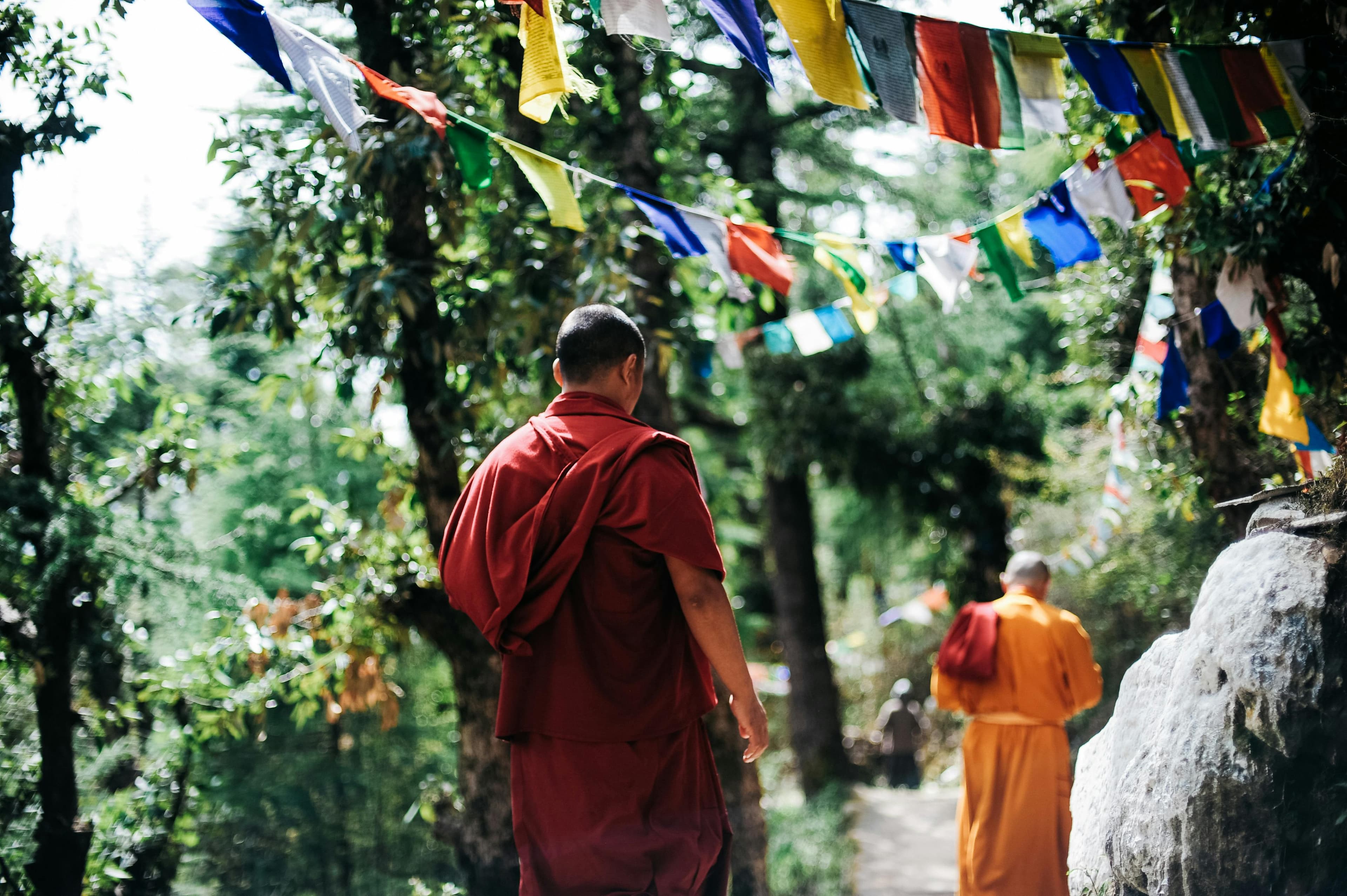
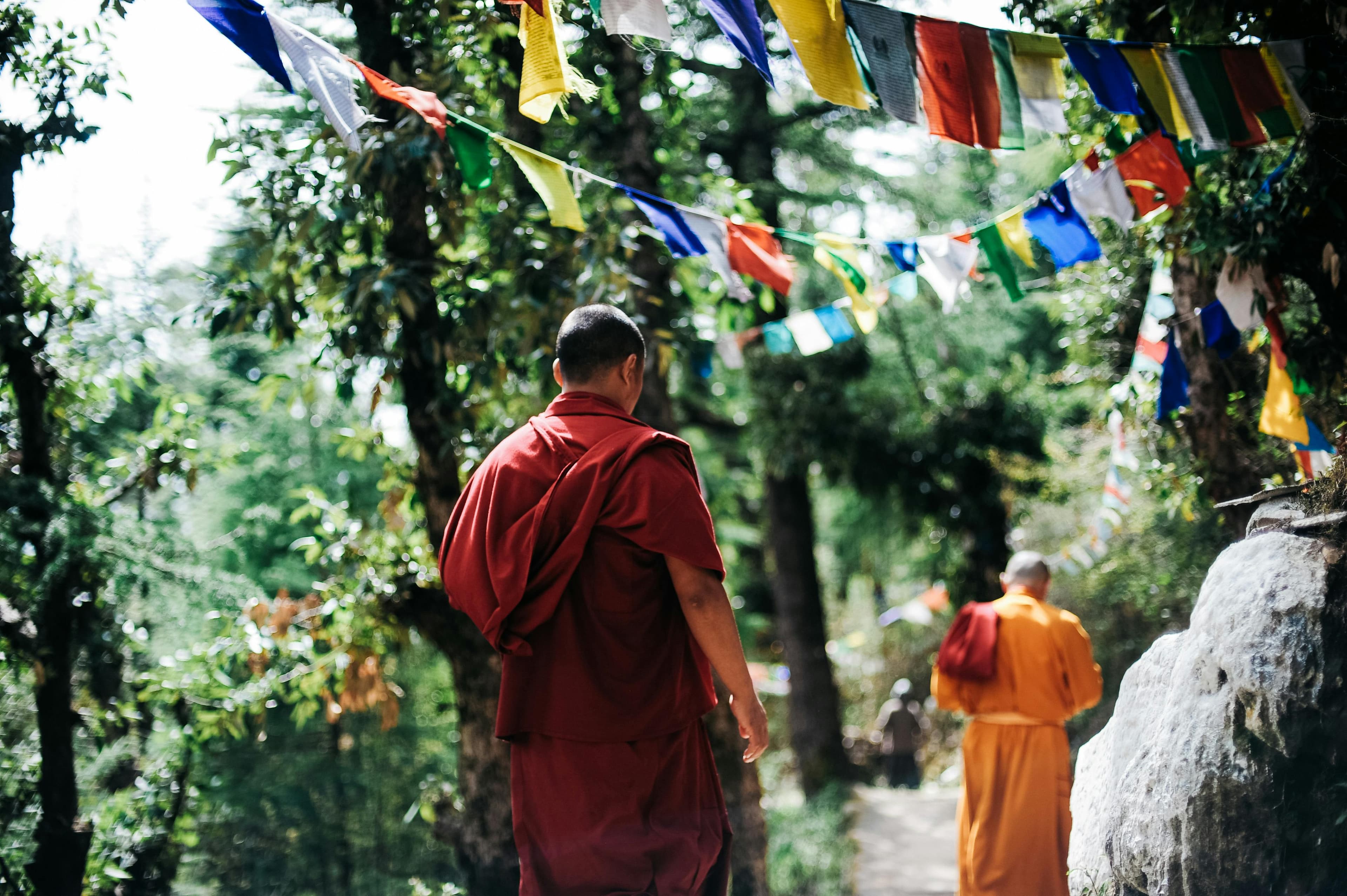
Kathmandu sits at 1,400 m. Temperatures range from 2–5°C overnight to 15–20°C during sunny afternoons. Mornings can be foggy, particularly in December and January when temperature inversions trap haze in the valley. By mid-morning the fog lifts and the rest of the day is typically clear and pleasant. Cultural attractions — Pashupatinath, Boudhanath Stupa, Swayambhunath, Patan, and Bhaktapur — are far less crowded than in October and can be explored at a leisurely pace.
Pokhara in Winter
Pokhara at 827 m is warmer than Kathmandu. Annapurna and Machapuchare (Fish Tail) are visible on clear days, and the reflections in Phewa Lake are stunning in winter light. Lakeside cafes and restaurants are quieter. The paragliding season continues through winter when weather permits. Day hikes to World Peace Pagoda and Sarangkot sunrise point are excellent in December and January.
Chitwan and Lumbini
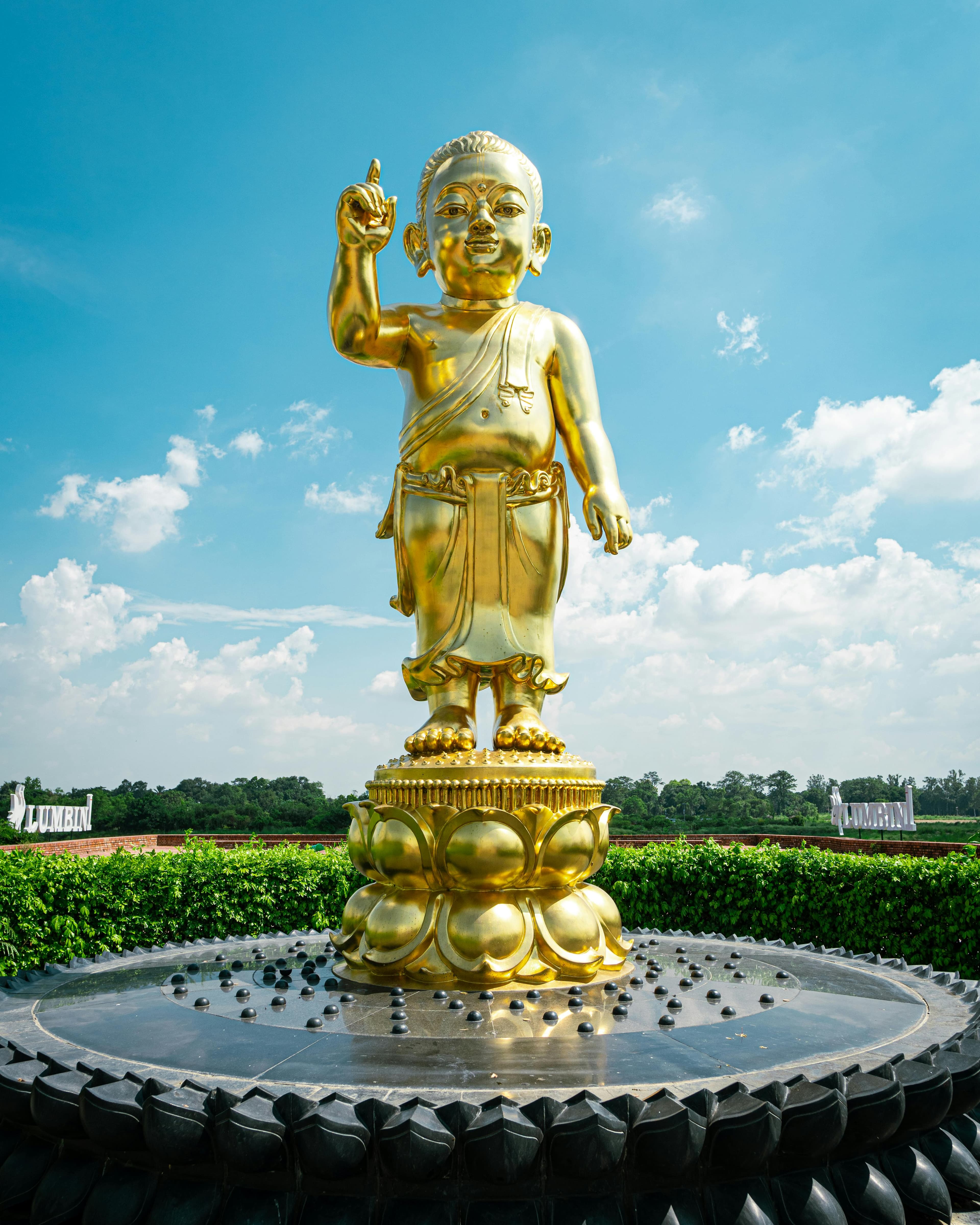
Winter is arguably the best time for Chitwan National Park. Wildlife concentrates around rivers and watering holes as vegetation thins. Rhinos, elephants, and tigers are easier to spot. Bird migration peaks in December and January with over 500 species recorded in the park. Lumbini, the birthplace of the Buddha, is comfortable and uncrowded throughout winter.
Planning this trip? 🎒
Don't stress about transport or guides. Sajilo offers verified cabs, luxury tourist buses, and expert guides across Nepal.
Winter Trekking
High passes close under snow, but lower-altitude treks remain open and enjoyable.
Annapurna Foothills (Ghorepani-Poon Hill): Excellent in December with good snow views and few other trekkers. Snow on the trail above 2,800 m is possible from January.
Langtang Valley to Kyanjin Gompa: Open through December and into January. The valley walls are dusted with snow, making for dramatic scenery.
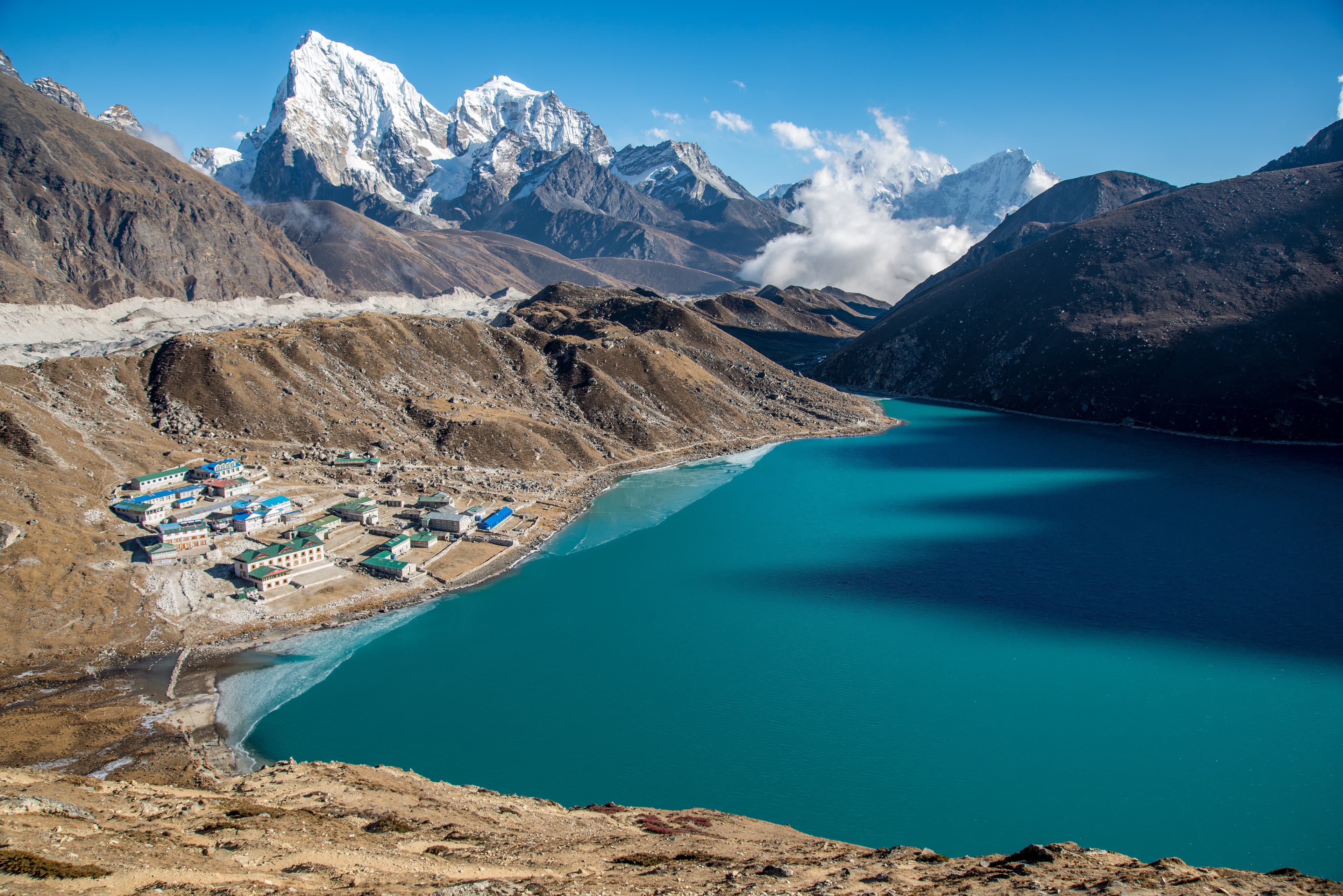
Gokyo Lakes: Accessible in early December before snow closes the Renjo La and Cho La. The frozen lakes are beautiful but require proper cold-weather gear.
Avoid: Thorong La (Annapurna Circuit high pass), EBC via Khumbu Icefall, and any pass above 4,500 m in January and February.
FAQ
Q: Is it worth going to Nepal in January?
Yes, especially for budget-conscious travelers and those prioritizing cultural experiences. Prices are at their annual low, crowds are thin, and Kathmandu and Pokhara are comfortable during the day. Trekkers should stick to lower-altitude routes.
Q: Does it snow in Kathmandu?
Snowfall in the Kathmandu Valley is extremely rare, occurring perhaps once every few years. When it does snow, the city effectively shuts down as infrastructure is not built for it. The last notable snow events were in 2015 and 2012.