Travel Tips
Traveling Nepal in the Shoulder Season: When Going Off-Peak Saves Real Money
Nepal's peak tourist seasons drive up prices across accommodation, transport, and activities. Here is how traveling in shoulder season cuts costs without sacrificing the experience.
Nepal has two clear peak tourist seasons: October-November (post-monsoon, ideal trekking weather) and March-April (spring, rhododendron season). Traveling outside these windows — in December-February or May-June — offers genuine savings and often superior experiences on certain routes.
Understanding Nepal's Season Calendar
Peak (Oct-Nov, Mar-Apr): Best trekking weather, clearest mountain views, lowest rainfall. Demand is highest and prices reflect this.
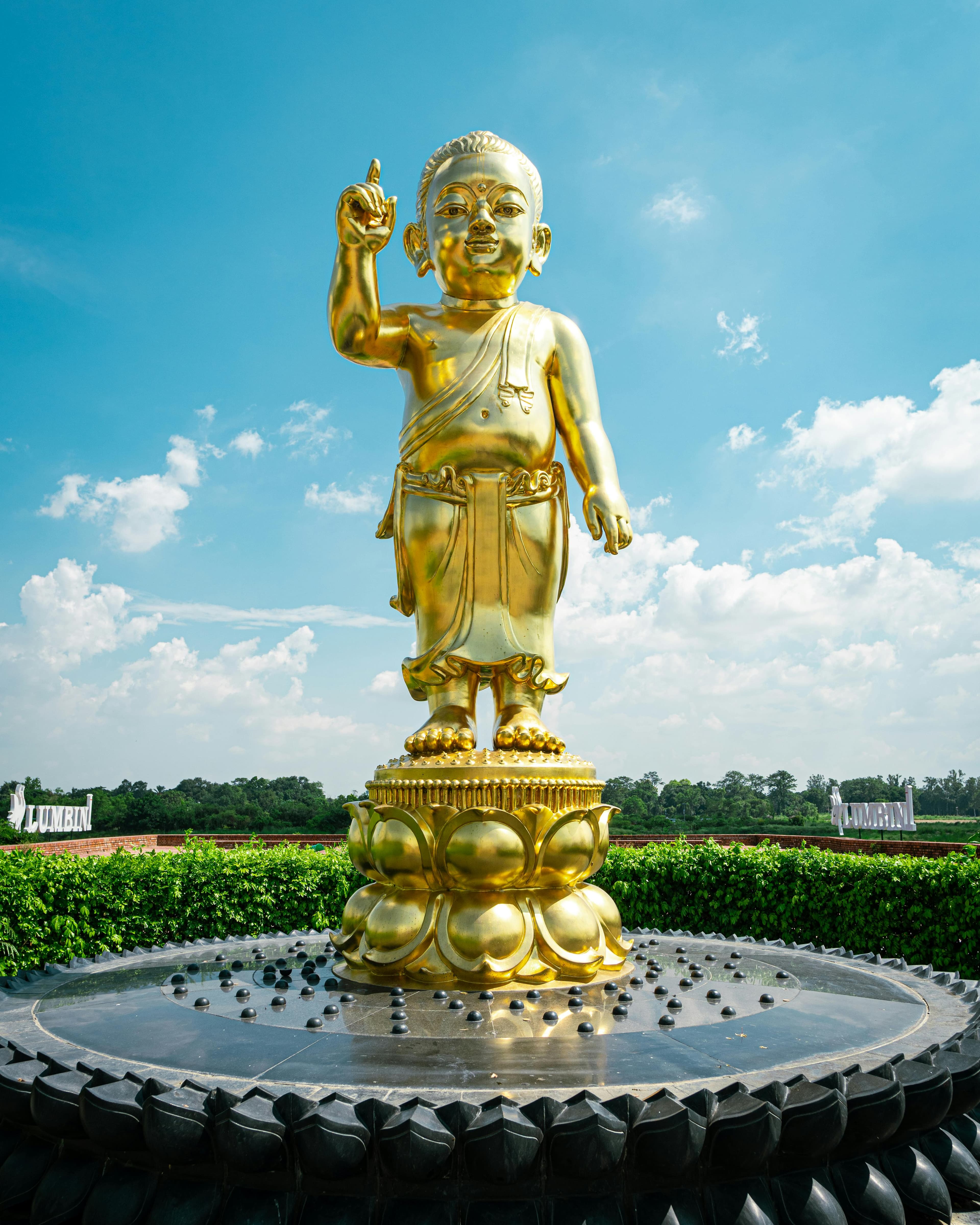
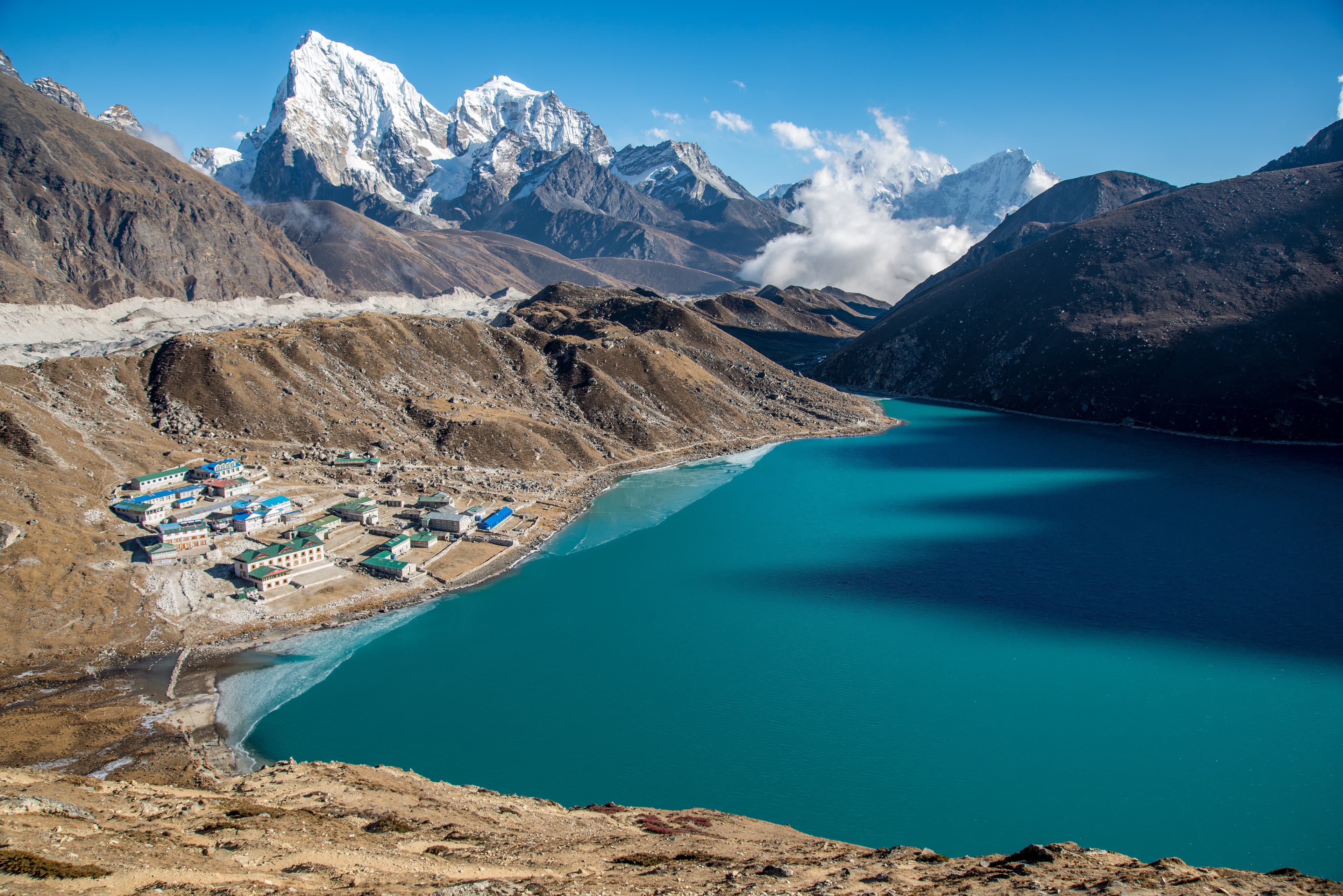
Shoulder (Dec-Feb): Winter in the mountains means cold temperatures at altitude but excellent clarity. The Terai (Chitwan, Lumbini) is comfortable and at its best wildlife-viewing state. Trekking is possible below approximately 4,000m with proper gear.
Monsoon (Jun-Sep): Heavy rainfall, leeches on lower trails, cloud cover obscuring mountains. Some routes become dangerous. However, the Mustang Valley (in the rain shadow) is one of the world's great monsoon-season destinations, and the landscape across the rest of Nepal turns intensely green.
Planning this trip? 🎒
Don't stress about transport or guides. Sajilo offers verified cabs, luxury tourist buses, and expert guides across Nepal.
Late monsoon / early post-monsoon (Sept-early Oct): Rivers are high, some trails damaged, but prices are still off-peak and the landscape is lush.
Where the Savings Are
Accommodation: Budget guesthouses in Pokhara and Kathmandu regularly drop 20-40% below peak-season rates in December-February and June-July. Walk-in rates are negotiable; peak-season demand eliminates negotiating leverage.
Trekking teahouses: Off-season teahouses are less full and more willing to negotiate on room rates (especially for multi-night stays). The standard meal-inclusive deal becomes more generous in the shoulder season.
Activities: Most tour operators and activity providers offer off-season discounts on paragliding, rafting, and guided tours. Prices can drop 15-30% compared to peak season.
Flights: Domestic flights to popular mountain airstrips (Lukla, Pokhara, Bharatpur) are cheaper off-peak and more likely to have availability for flexible booking.
The Trade-Offs
Shoulder and off-season travel in Nepal involves real trade-offs:
- Mountain visibility: Winter (December-January) often has excellent visibility on cold clear days, but high-altitude routes become very cold.
- Monsoon views: Mountain views are frequently blocked by cloud during monsoon season. If clear Himalaya views are your primary goal, monsoon travel is frustrating.
- Trail conditions: Post-monsoon trails can have landslide damage in September. Some high-altitude passes close entirely in winter.
Best Shoulder-Season Destinations
- December-February: Chitwan, Lumbini, Kathmandu valley cultural sites, Pokhara (town and lakeside, not high altitude)
- May-early June: High-altitude treks before monsoon arrives; Everest and Annapurna areas still have windows of good weather
- Late September-early October: Annapurna routes recovering from monsoon, some excellent autumn weather arriving