Travel Tips
Nepal Teahouse Trekking Guide
Teahouse trekking is the most popular way to explore Nepal's mountain trails. This guide covers everything you need to know about staying in teahouses, from what to expect to how to book.
What Is Teahouse Trekking?
Teahouse trekking means walking Nepal's established mountain trails and sleeping in locally run guesthouses — called teahouses or lodges — at each village along the route. Unlike camping expeditions, you carry only a daypack. Beds, meals, and hot drinks are available at stops roughly every one to three hours of walking.
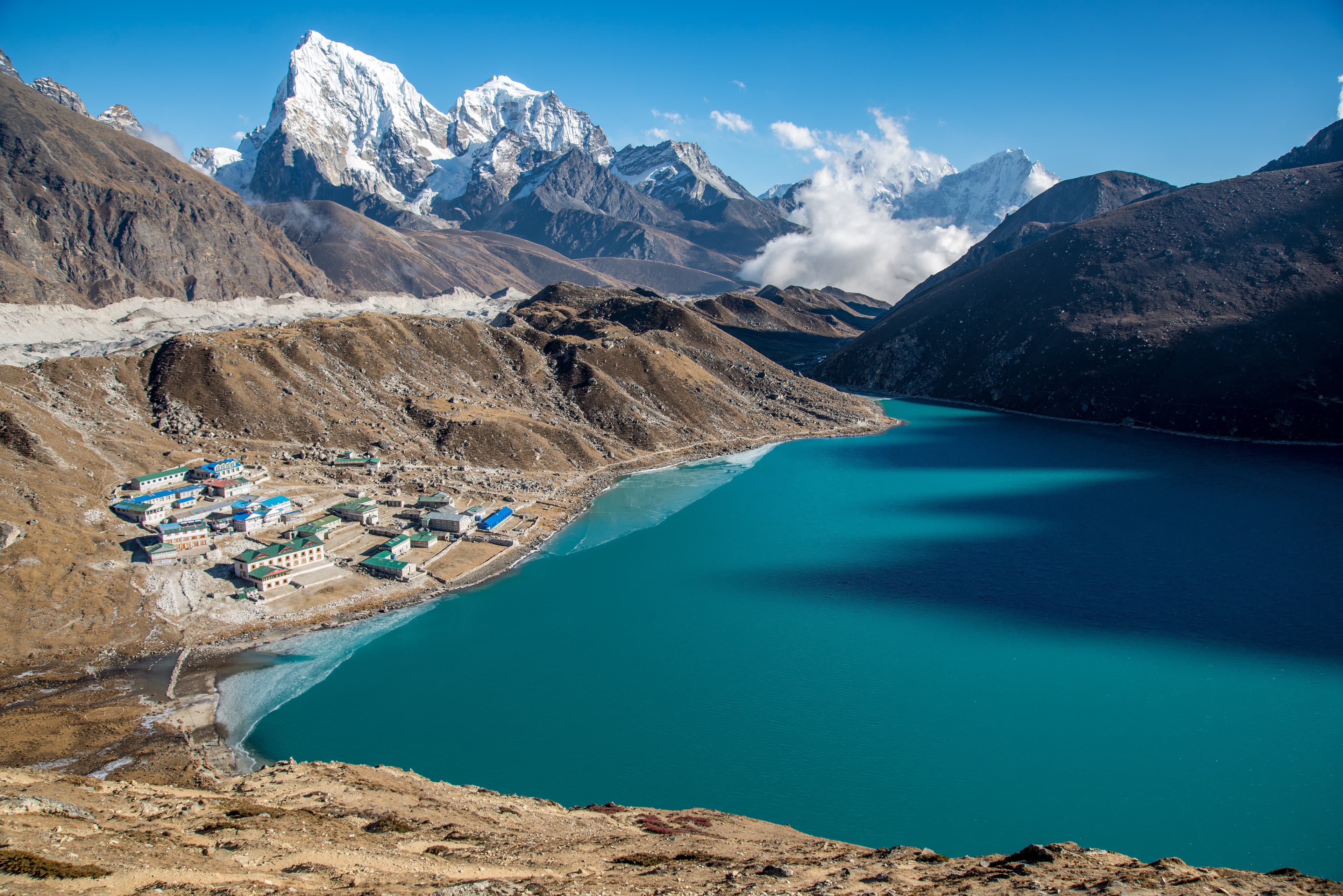
The system developed organically over decades as mountain communities built simple shelters for trekkers passing through. Today the network covers the Annapurna Circuit, the Annapurna Sanctuary, the Langtang Valley, the Everest region, the Manaslu Circuit, and many other routes.
What Teahouses Provide
A standard teahouse room has one or two wooden beds with a foam mattress, a pillow, and a blanket. In lower-altitude zones below 3,000 metres, rooms are often attached to a small en-suite toilet. Above that elevation, shared squat toilets and outdoor taps are common. Hot showers are available at most teahouses for an extra charge of NPR 200 to 500 — the higher the altitude, the more you pay.
Dining rooms are the social heart of every teahouse. Long communal tables, a central wood or yak-dung stove, and a laminated menu listing dal bhat, noodle soups, pasta, pancakes, and Tibetan bread are universal features. Electricity for device charging costs NPR 100 to 300 per hour at altitude.
Planning this trip? 🎒
Don't stress about transport or guides. Sajilo offers verified cabs, luxury tourist buses, and expert guides across Nepal.
Booking and Availability
On the Annapurna and Everest routes during October and November, the most popular teahouses fill up by mid-afternoon. Walking with a rough itinerary and arriving at your destination by 3 pm gives you the best room selection. Calling ahead is rarely possible above 3,500 metres due to unreliable mobile coverage.
During the off-season — June through August and December through February — teahouses have plenty of space and owners often negotiate on price. Some teahouses close entirely in the harshest winter months.
Costs
Room rates range from free (when you commit to eating all your meals at the teahouse) to NPR 500 to 1,000 per night above 4,000 metres. Most lodges at lower altitudes charge NPR 200 to 400. Meal prices increase with altitude: a bowl of dal bhat costs about NPR 400 at Pokhara and NPR 900 near Everest Base Camp.
Tips for a Good Teahouse Stay
Bring a sleeping bag liner or lightweight sleeping bag. Teahouse blankets are often thin and shared. A good headlamp is essential for predawn starts. Carry cash — ATMs exist in Namche Bazaar and Manang but are unreliable above those points. Respect quiet hours; walls are thin and neighbouring trekkers need rest.
FAQ
Do teahouses have Wi-Fi?
Many teahouses in lower and mid-altitude zones offer Wi-Fi for a small fee. Connectivity becomes very limited above 4,000 metres.
Is dal bhat really unlimited?
Yes. Ordering dal bhat at almost any teahouse entitles you to refills of rice, lentil soup, and vegetable curry until you are full. It remains the best-value meal on any trek.
Can I trek teahouse routes without a guide?
Since April 2023, solo trekking without a registered guide is no longer permitted in most protected trekking areas including the Annapurna and Everest regions. Hiring a guide through a registered agency is now mandatory.