Travel Tips
Nepal Photography Tips for Travellers
Nepal is one of the world's most photogenic countries. These practical tips help you capture stunning images without expensive gear or missing the moment.
Nepal offers extraordinary photography in every direction: the Himalaya, ancient temples, festival processions, market life, and mountain light that photographers travel continents to find.
Overview
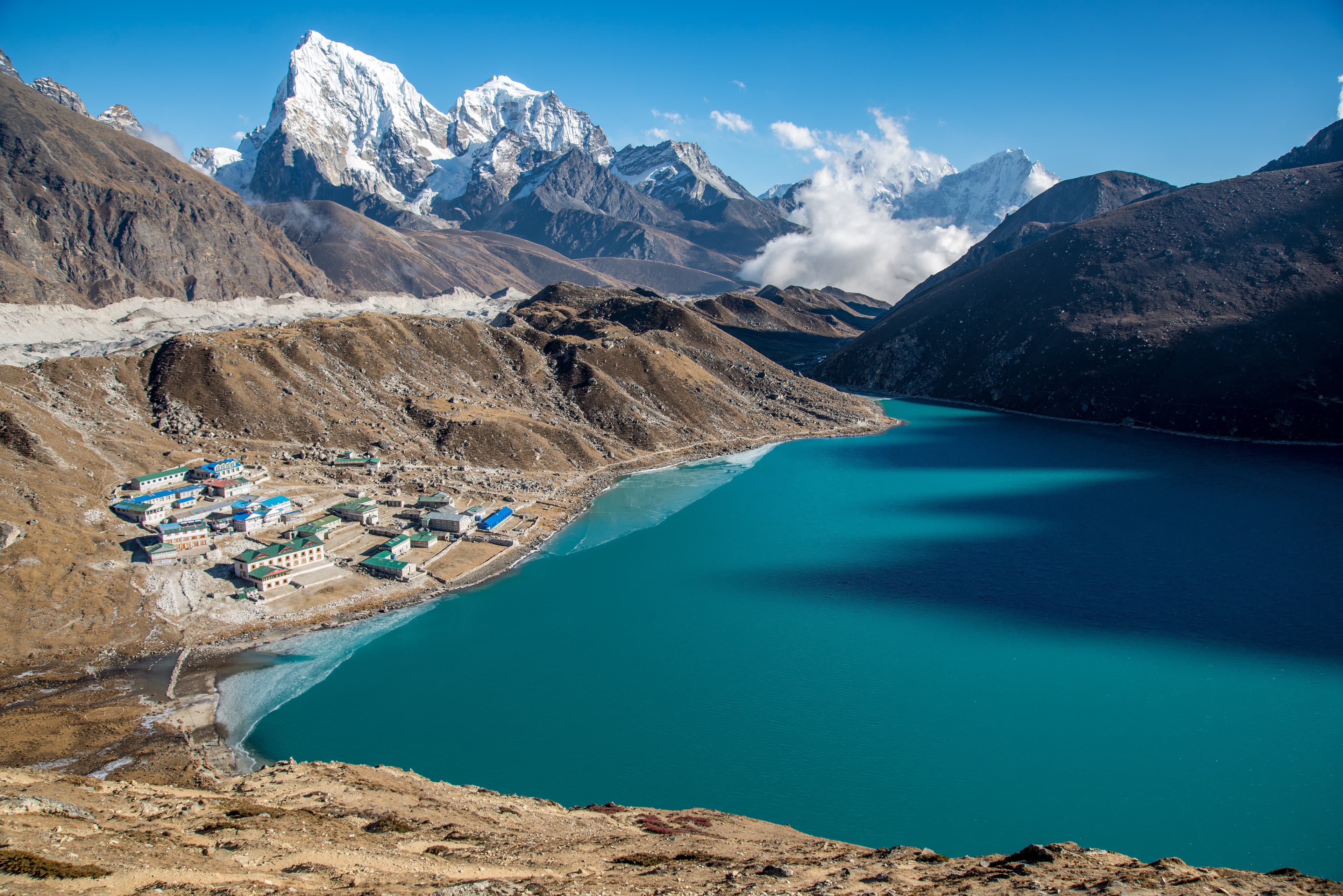
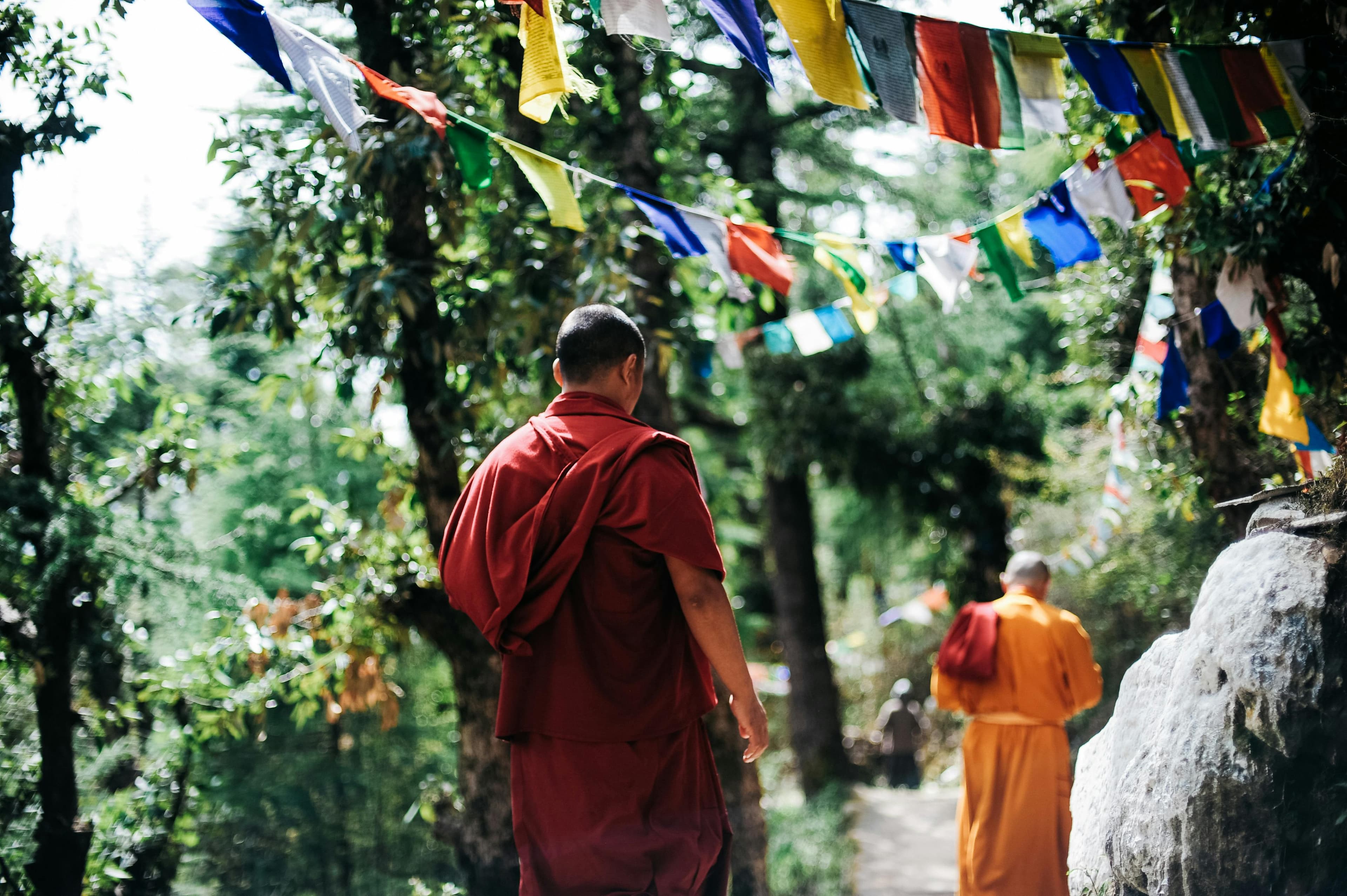
Golden hours at altitude are exceptional: 15 to 30 minutes before and after sunrise on clear days paint Himalayan peaks in shades of orange and pink that no filter can replicate. Poon Hill (Annapurna), Kalapathar (Everest), and Chandragiri (Kathmandu) are the three classic sunrise viewpoints. For portraits, always ask permission before photographing people -- many Nepalis are happy to be photographed but some community members prefer not. In temple areas, photography rules vary: most temple grounds permit exterior shots; inner shrines frequently do not. Check signage and follow your guide's advice. High altitude UV is intense -- your camera sensor records more accurately than your eye perceives. Bracket exposures on bright snow scenes. A polarising filter dramatically cuts glare on lakes and mountain snowfields.
FAQ
What camera is best for Nepal travel? A mirrorless or DSLR gives the best results but requires carrying extra batteries (cold kills batteries fast). A modern smartphone with a decent camera is genuinely capable and much lighter -- honest trekking photographers increasingly use them.
Can I charge camera batteries at teahouses? Yes, for a fee (NPR 200 to NPR 500 per charge). Carry two batteries minimum and a lightweight power bank for the days between teahouses.
Planning this trip? 🎒
Don't stress about transport or guides. Sajilo offers verified cabs, luxury tourist buses, and expert guides across Nepal.