Travel Tips
Nepal Photography: Complete Beginners Guide
Nepal offers some of the planet's most photogenic landscapes, cultures, and wildlife within a single country. This complete guide helps first-time visitors plan shoots, understand the light, and return home with images they are proud of.
Nepal is among the world's top five photography destinations. Few countries compress the Himalaya, ancient temple cities, diverse ethnic cultures, and exceptional wildlife into such manageable geography. Planning your photography around Nepal's seasons and specific locations transforms a good trip into an exceptional one.
Understanding Nepal's Light
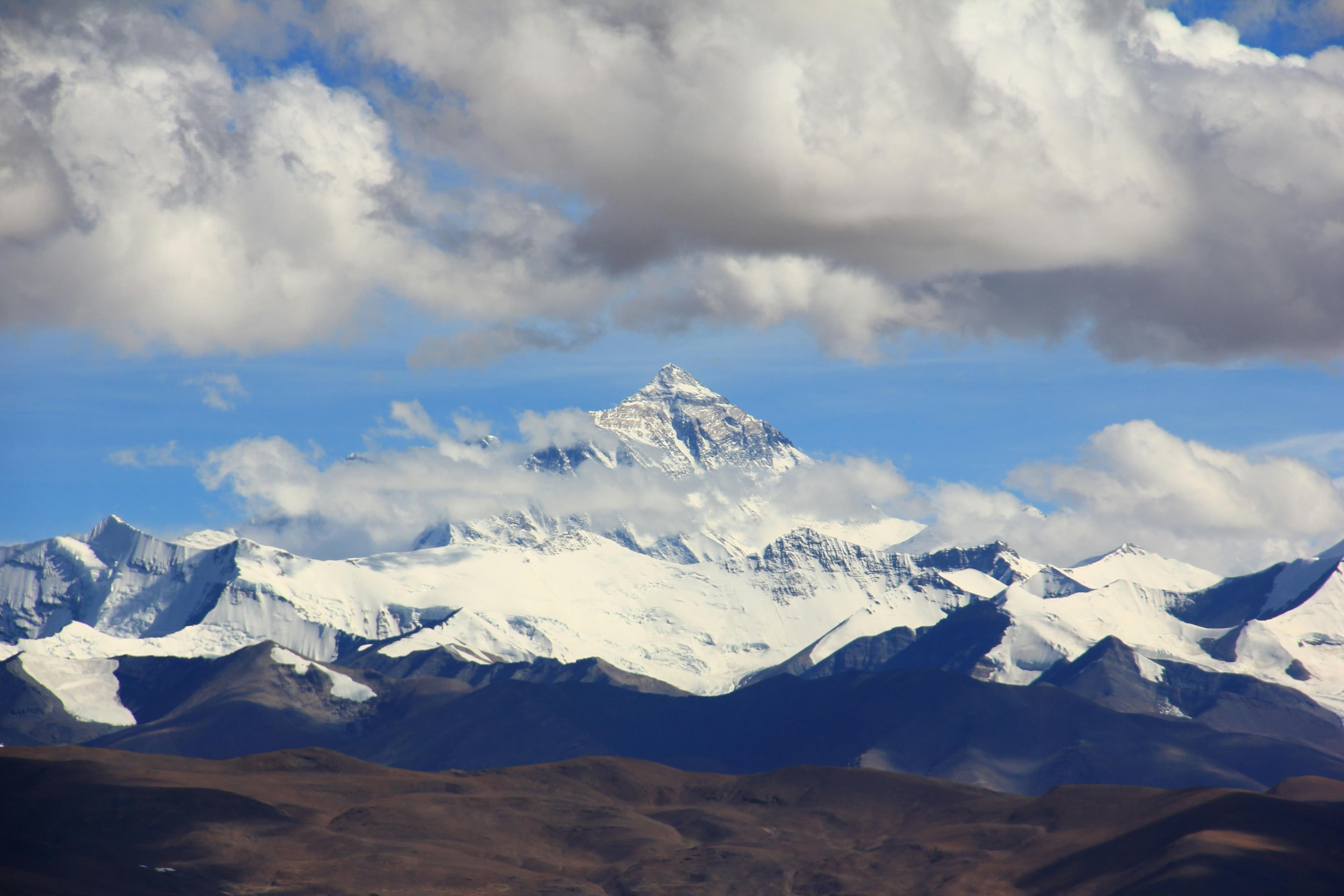
Nepal's clear seasons deliver extraordinary photographic light. October and November produce the sharpest Himalayan clarity of the year after monsoon washes the atmosphere clean. Peaks appear crystalline at dawn. Midday haze builds after 09:00 even in the clearest months — structure your schedule around first and last light.
March and April add rhododendron forests in bloom, making mid-altitude forest photography extraordinary. Golden hour on Himalayan faces in spring delivers warm pink-orange tones on snow.
Essential Locations by Category
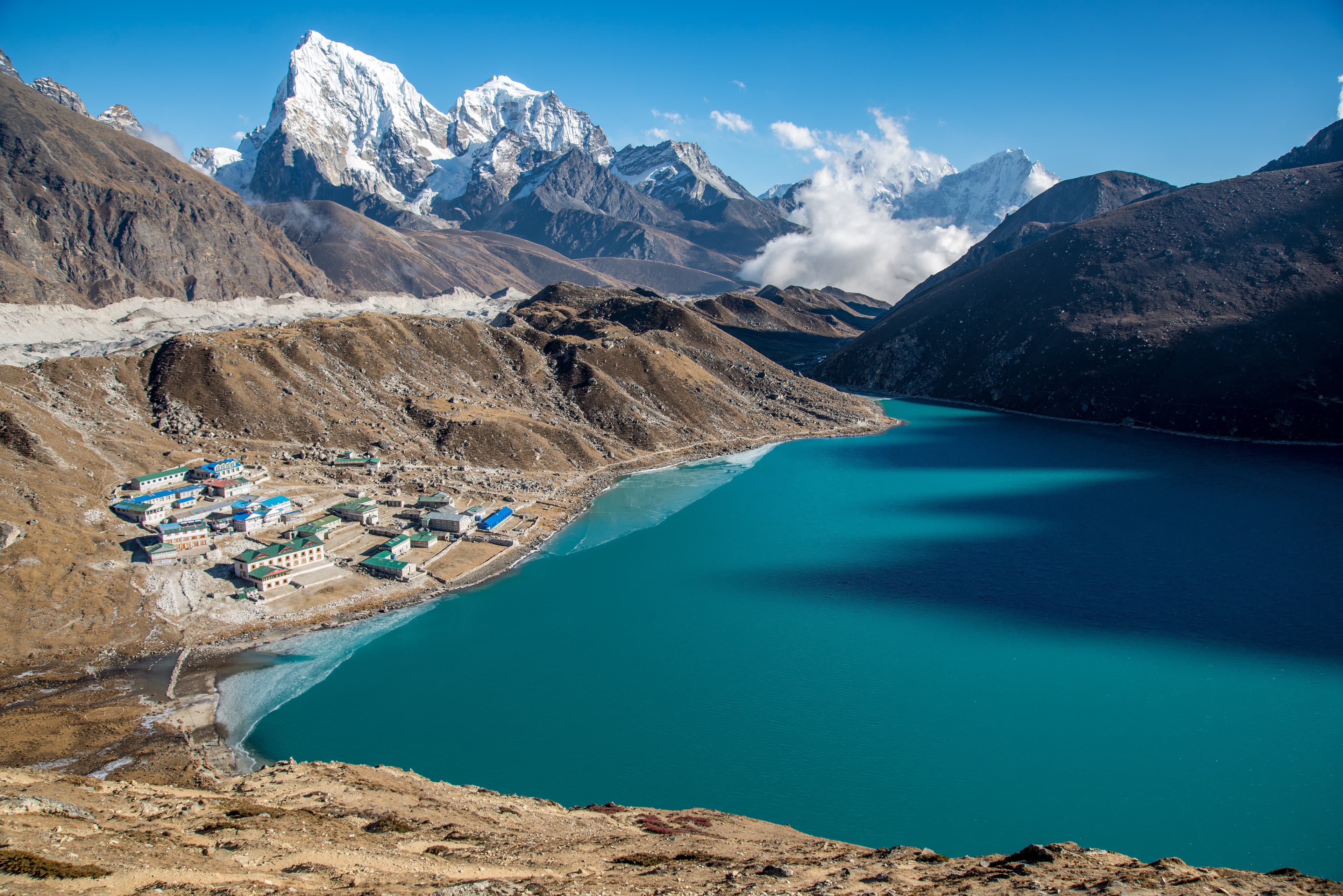
Mountain (dawn subjects): Kalapatthar (5,545m), Sarangkot (1,590m), Poon Hill (3,210m), Nagarkot (2,175m), Gokyo Ri (5,357m).
Planning this trip? 🎒
Don't stress about transport or guides. Sajilo offers verified cabs, luxury tourist buses, and expert guides across Nepal.
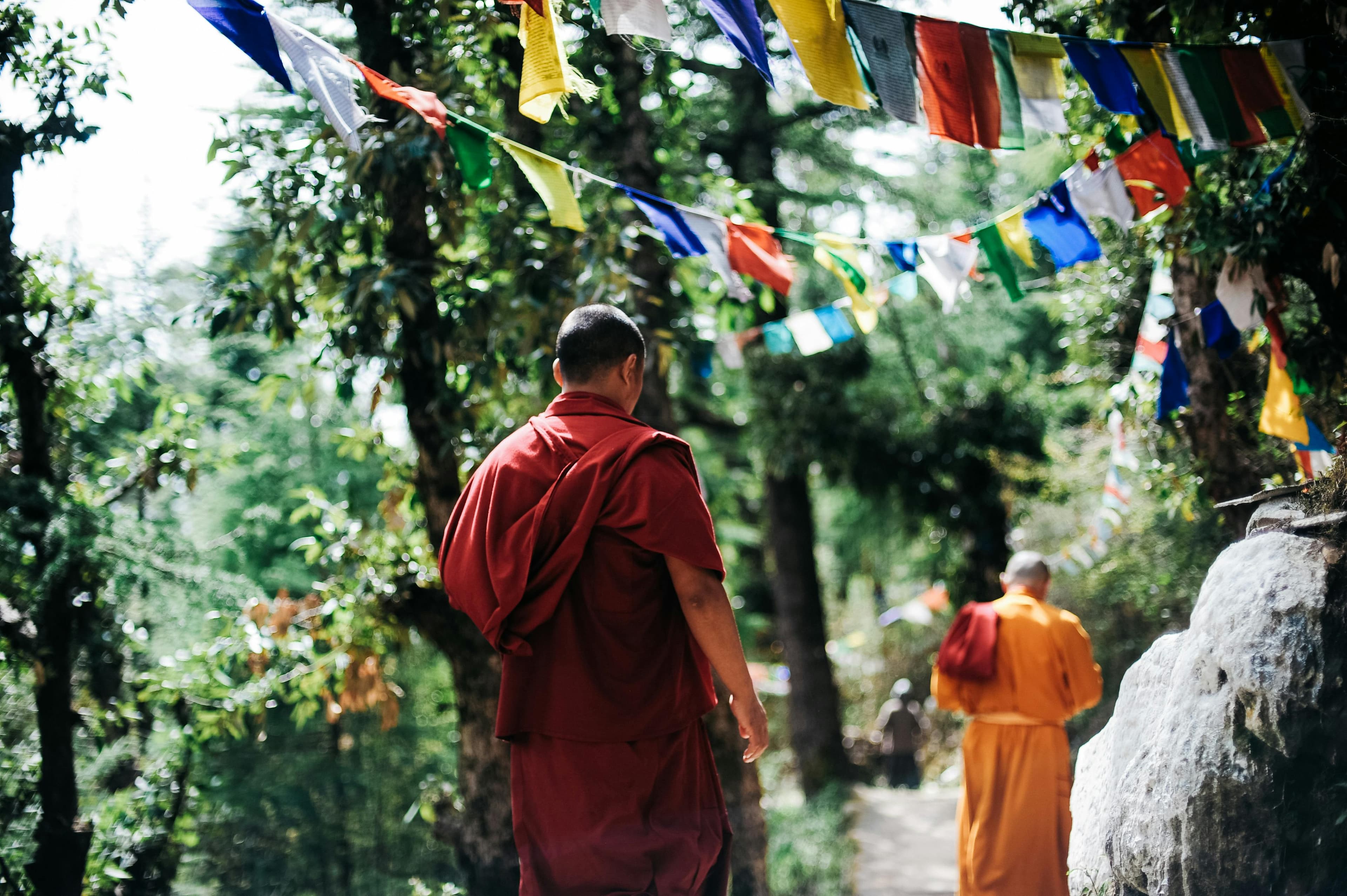
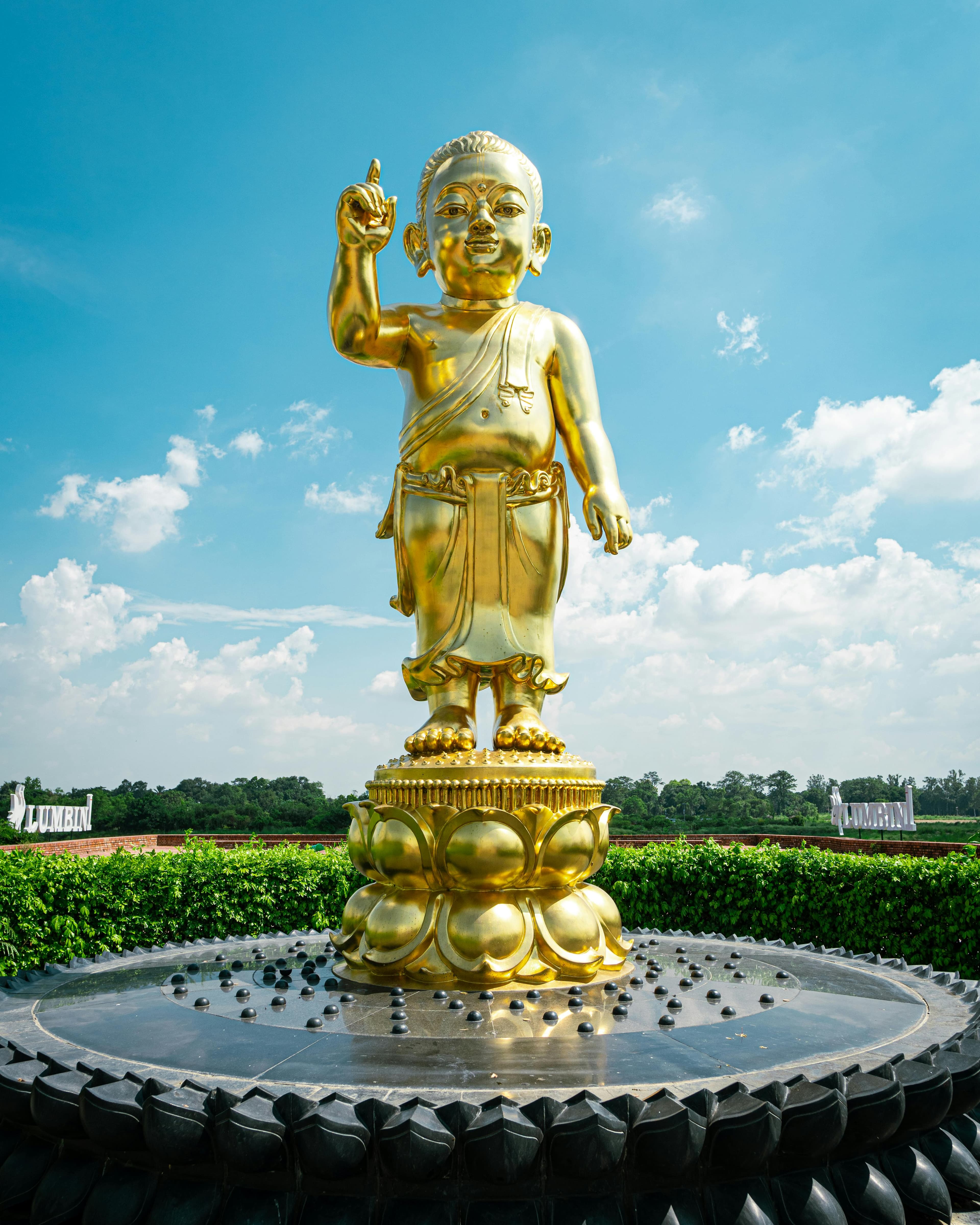
Cultural (people and architecture): Bhaktapur Durbar Square, Boudhanath Stupa at circumambulation time (early morning), Pashupatinath at dawn cremation ghats, Patan Museum courtyard.
Wildlife (telephoto subjects): Chitwan grassland edges at dawn, Bardia river corridors, Koshi Tappu wetland barrage at dawn.
Festival (crowd and colour): Indra Jatra (Kathmandu, September), Tihar (nationwide, October–November), Holi (nationwide, February–March).
Gear for Nepal
A weather-sealed camera body is strongly recommended — trails encounter dust, mist, river spray, and sudden rain. The Himalaya requires a telephoto lens for peaks (150–300mm minimum); cultural photography works best with a 35mm or 50mm equivalent. Bring more memory than you think you need — 256GB minimum for a two-week trip shooting raw files.
Ethics and Permissions
Ask before photographing individuals, particularly at religious sites. Cremation ghat photography at Pashupatinath requires respect and discretion — photograph from the distance of the designated viewing platform.
FAQ
Do I need a photography permit in Nepal's parks? Standard park entry fees cover photography. Drone permits are separate and require advance application.
What camera settings work best for Himalayan sunrise? Base ISO (100), aperture f/8 for maximum depth of field, and let shutter speed float. Check histogram for blown highlights on snow faces.
Is it safe to carry expensive camera gear in Nepal? Yes — Nepal is remarkably safe for camera equipment. Use a rain cover in trekking weather and keep gear in a dry bag during river crossings.