Travel Tips
Nepal Photography Complete Guide: Everything You Need to Know
Nepal is one of the world's great photography destinations -- from the highest mountains to ancient temples, wildlife, festivals, and people. This master guide covers gear, techniques, ethics, and the best locations.
Overview
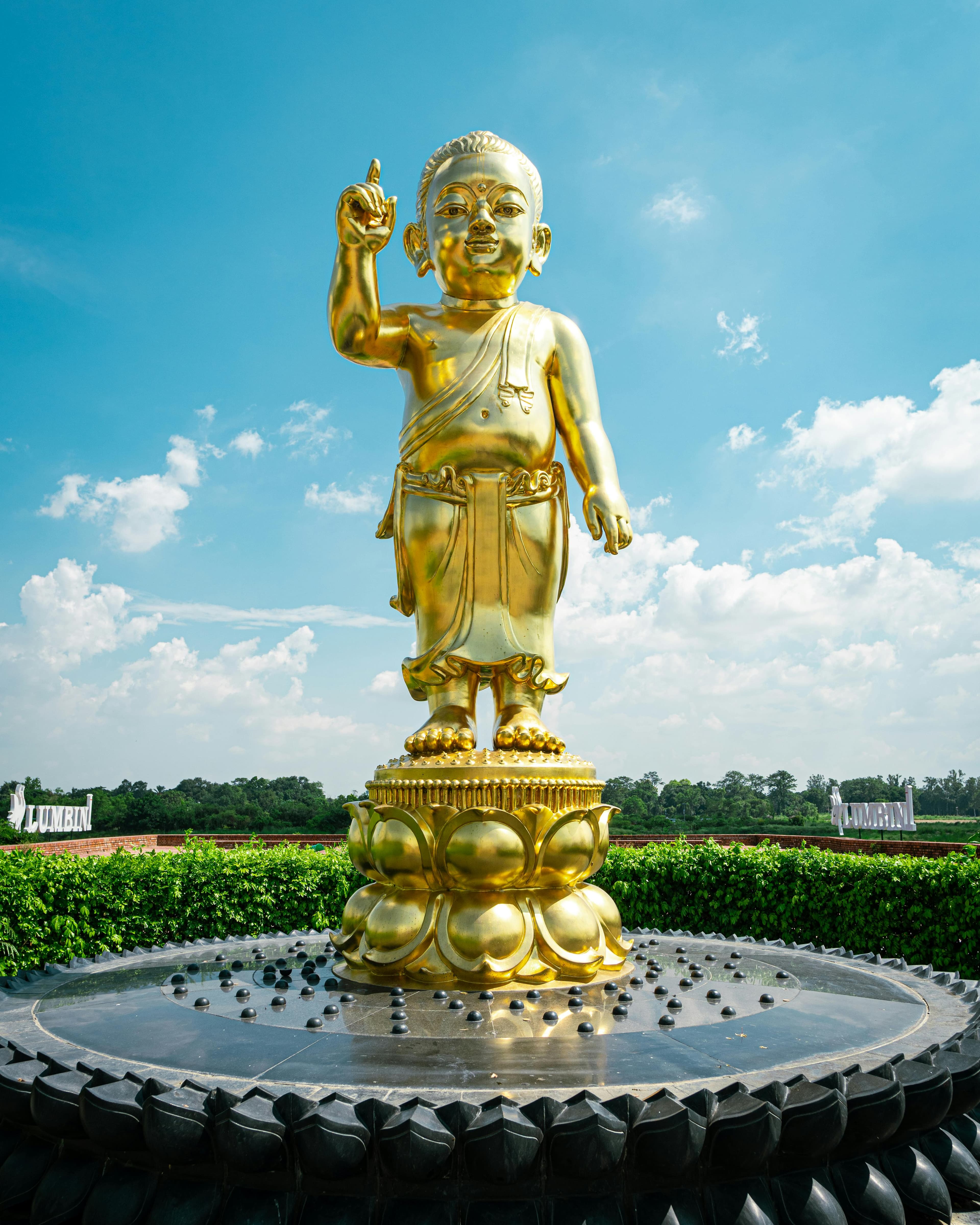
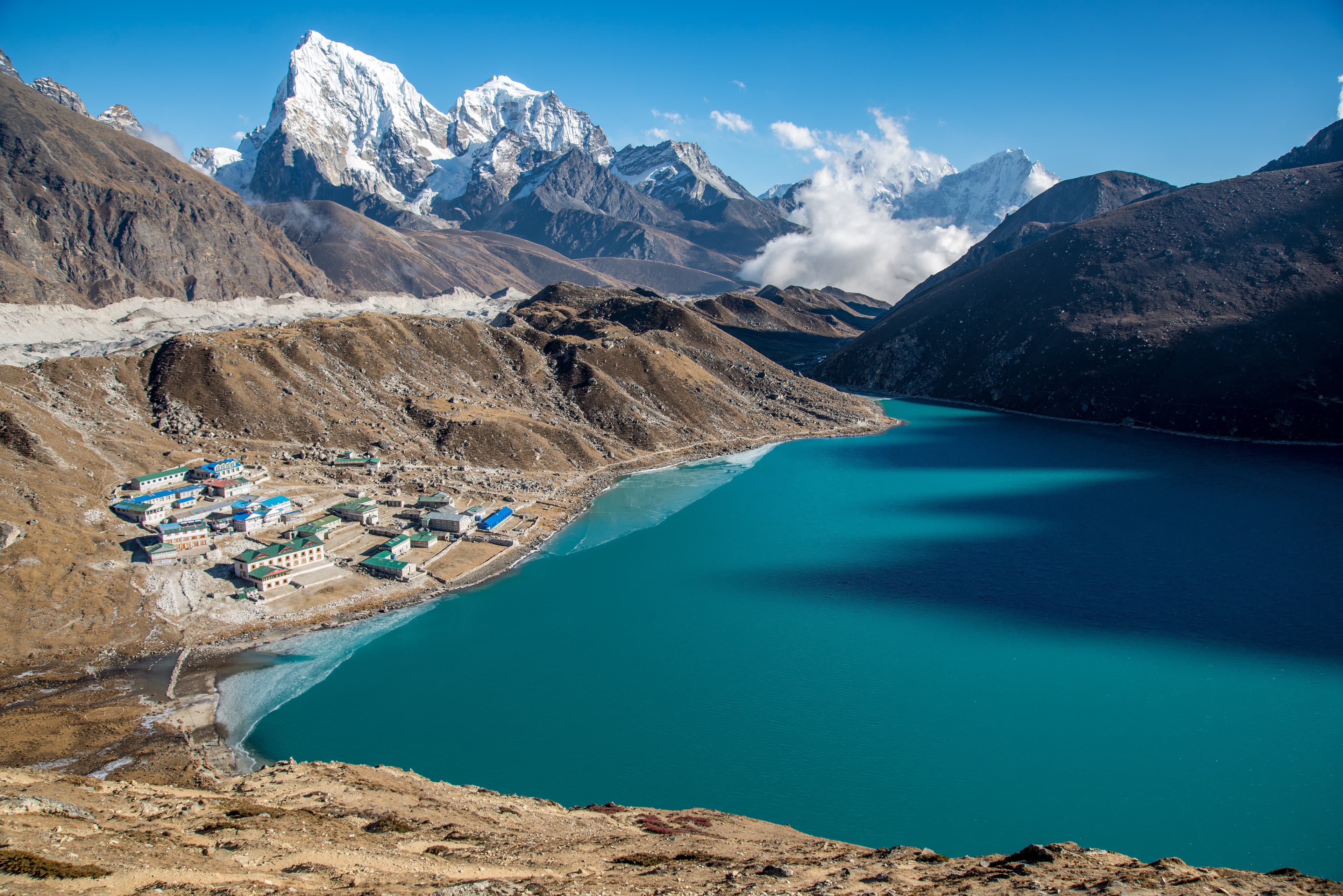
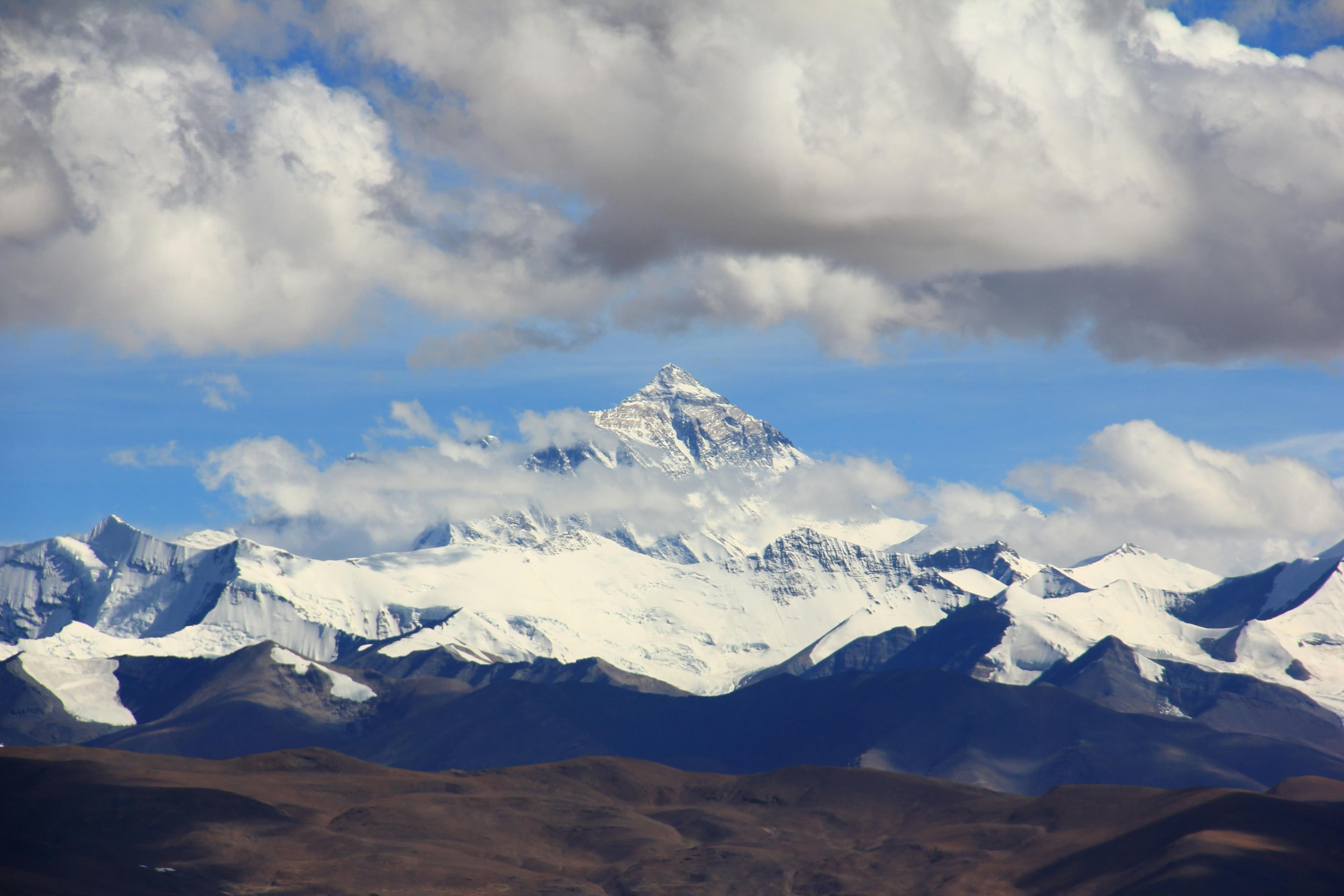
Nepal offers a photographer's dream combination: the world's highest mountains, extraordinarily diverse cultures, ancient architecture dating to the 12th century, vibrant festivals, dramatic wildlife, and a light quality -- particularly in October and November when the post-monsoon atmosphere is crystal clear -- that makes images sing. Whether you carry a phone or a professional camera system, Nepal rewards thoughtful, patient photography.
Gear Recommendations
For mountain landscape photography: a wide-angle lens (16 to 35 mm) for foreground context and a telephoto (100 to 400 mm) for compression and detail in distant peaks. Both are essential. A sturdy tripod is critical for pre-dawn and post-sunset golden hour work. Cold temperatures at altitude (below -10 degrees Celsius at 5,000 m) drain batteries rapidly -- carry two to three spares and keep them in an inner pocket next to your body.
For wildlife photography in Chitwan and Bardia: a 400 to 500 mm telephoto is the minimum for tigers and rhinos from a vehicle. Vibration reduction (IS/VR) is essential for hand-held shooting in low light. A bean bag or window mount for jeep-based shooting reduces camera shake better than a tripod.
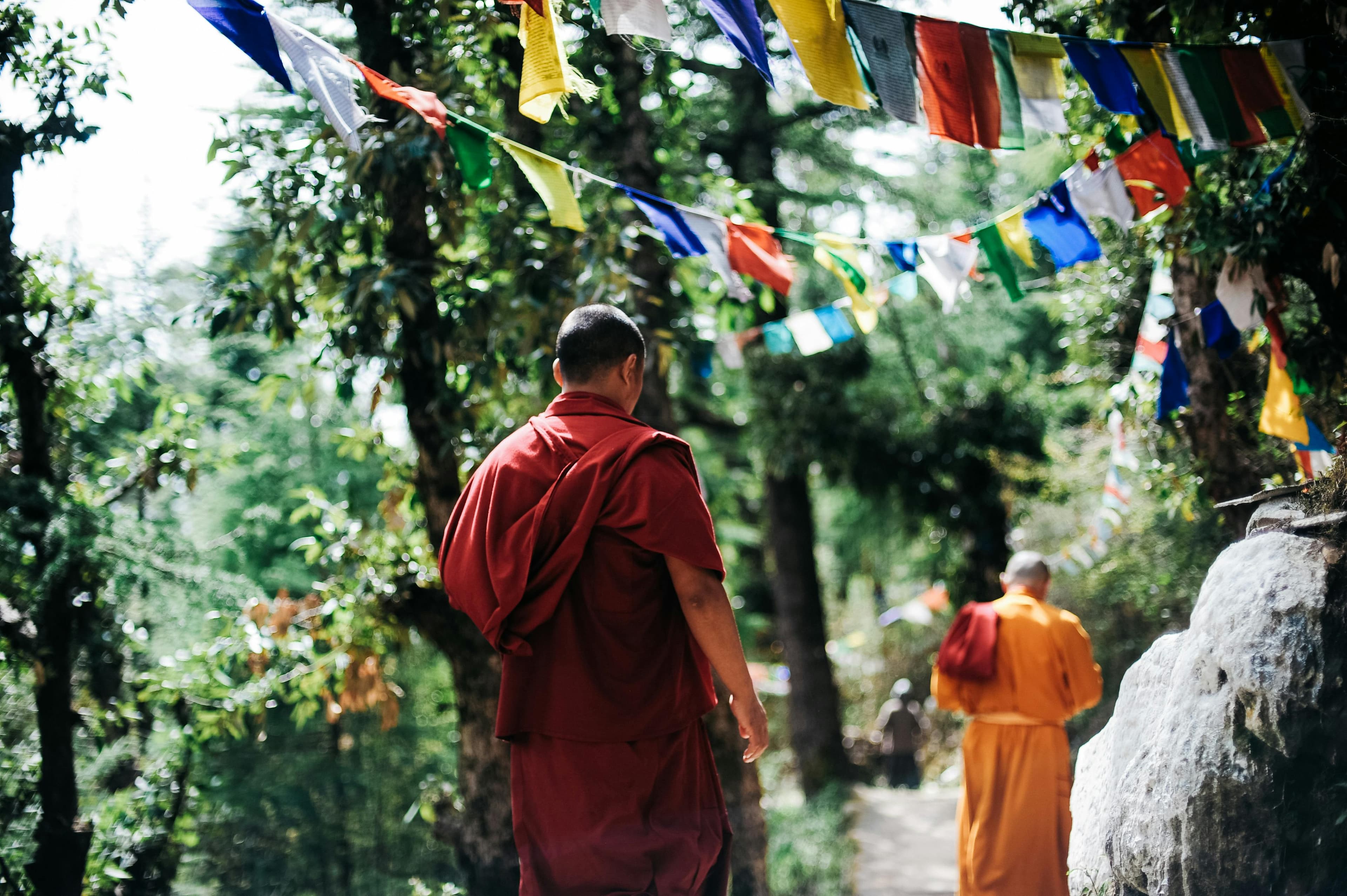
For culture and street photography: a standard 35 to 50 mm lens produces the most natural-feeling images. For festivals, a 70 to 200 mm allows working from a respectful distance.
Planning this trip? 🎒
Don't stress about transport or guides. Sajilo offers verified cabs, luxury tourist buses, and expert guides across Nepal.
Ethics and Permissions
Always ask permission before photographing individuals, particularly at religious sites. At Pashupatinath and Boudhanath, photography is permitted in public areas but restricted inside temple buildings. The Kumari's courtyard in Kathmandu allows photography of the Living Goddess in the window -- do not approach or attempt closer access.
Book travel between photography locations using Sajilo cabs or bus booking at sajilo.net for efficient and comfortable transfers between shooting sites.
FAQ
Do I need photography permits in Nepal?
Inside national parks, your park entry permit covers personal photography. Commercial photography (for advertising or film) requires a separate permit from the Department of National Parks (NPR 50,000 to 5,00,000 depending on project scale). Drone photography requires a permit from the Civil Aviation Authority of Nepal.
What is the best overall month for photography in Nepal?
October and November offer the clearest skies, best mountain visibility, and active festival season (Dashain and Tihar). March and April add rhododendron blossoms and spring light. The monsoon (July to August) produces dramatic storm light and waterfalls but reduces mountain visibility.
What memory cards and data management should I bring?
Bring at least 256 GB of card capacity (multiple smaller cards rather than one large card for backup redundancy). A portable hard drive (1 to 2 TB) and laptop or phone for daily backup is strongly recommended. Card readers should include both CFexpress and SD formats for current camera systems.