Travel Tips
Nepal New Year Celebrations: A Travel Guide
Nepal celebrates four different New Year occasions through the year. Here's when each falls, what it looks like, and how to experience the celebrations as a visitor.
Overview
Nepal is one of the few countries that celebrates multiple New Year occasions in a single calendar year. The major New Year celebrations are: Gregorian New Year (January 1), Nepali New Year / Naya Barsha (mid-April), Newari New Year / Nepal Sambat (October–November), and Tibetan New Year / Losar (February–March). Each carries distinct cultural meaning, varying degrees of public celebration, and different travel implications.
Nepali New Year — Naya Barsha (Bikram Sambat New Year)
This is Nepal's official New Year and falls in mid-April each year — Baishakh 1 in the Bikram Sambat (BS) calendar, which runs approximately 56 to 57 years ahead of the Gregorian calendar. Nepal entered BS 2081 in April 2024.
What happens: Naya Barsha is a public holiday across Nepal. Kathmandu's Durbar Squares and Pashupatinath temple see large gatherings. Cultural programs are broadcast on national television. Family visits and traditional sweets mark the occasion. Parades and folk music events take place in Tundikhel (the main public ground in Kathmandu).
For travelers: This falls in spring trekking season, meaning hotels and trekking routes are already busy. The holiday adds additional domestic tourist movement. Budget extra buffer time for transport and book accommodation early.
Planning this trip? 🎒
Don't stress about transport or guides. Sajilo offers verified cabs, luxury tourist buses, and expert guides across Nepal.
Newari New Year — Nepal Sambat
Nepal Sambat is the lunar calendar of the Newar people, the indigenous inhabitants of the Kathmandu Valley. It is observed primarily in Kathmandu, Bhaktapur, and Patan. Nepal Sambat year 1145 began in November 2024.
What happens: The New Year falls in October or November, typically coinciding with or immediately after Tihar's Mha Puja (the Newari self-worship day on the fourth day of Tihar). Celebrations in Bhaktapur and Patan Durbar Squares involve cultural processions, traditional music, and Newar-specific religious ceremonies.
For travelers: Witnessing Newari New Year celebrations in Bhaktapur — one of the best-preserved medieval cities in Asia — is a genuinely special experience. The city's ancient Durbar Square is illuminated with oil lamps continuing from Tihar's Lakshmi Puja. The combination of festivals in late October and early November in Bhaktapur creates one of the richest cultural travel windows of the year.
Tibetan New Year — Losar
Losar is the Tibetan Buddhist New Year celebrated in Nepal's Tibetan and Sherpa communities. It falls in February or early March according to the Tibetan lunar calendar.
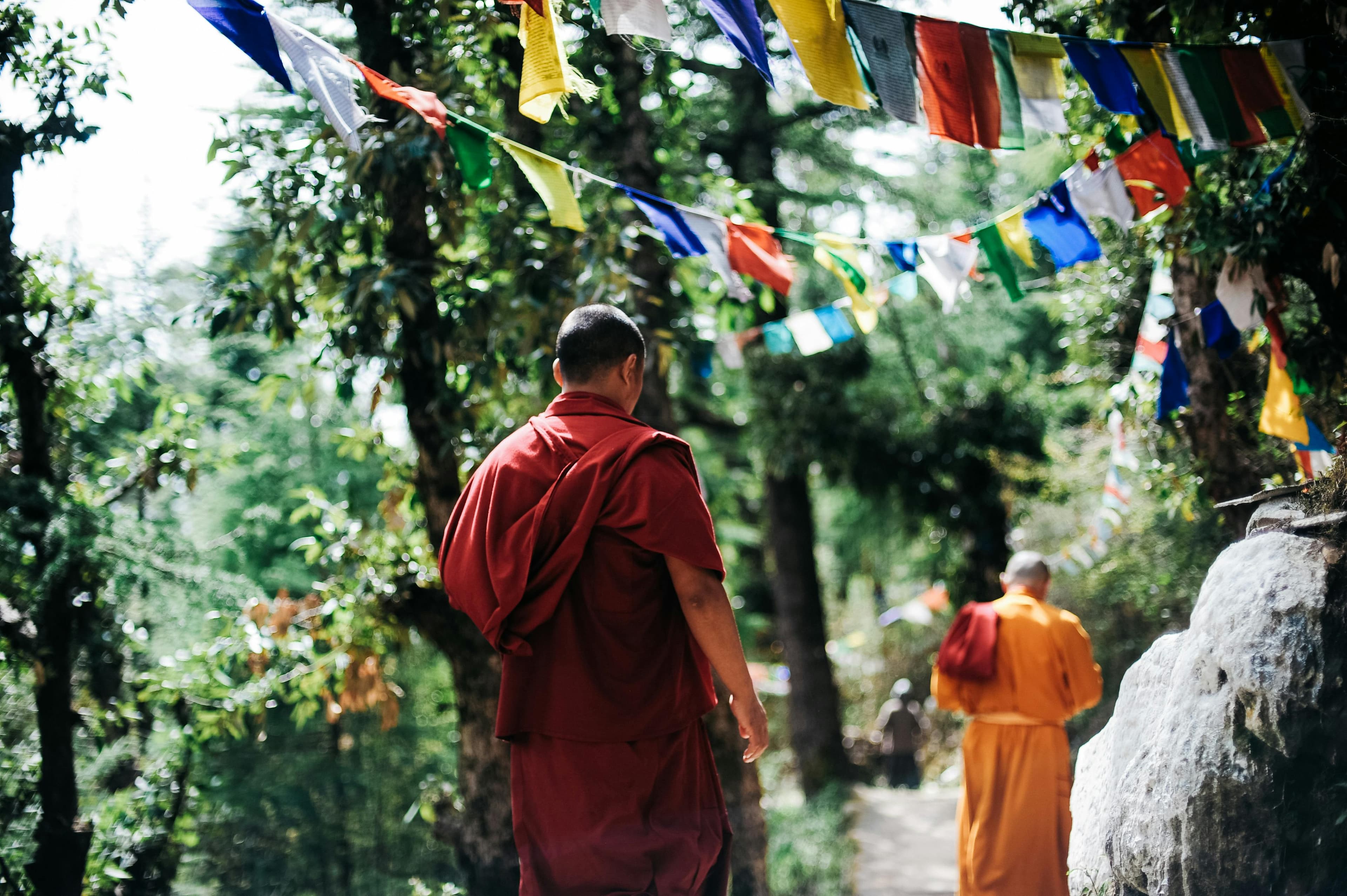
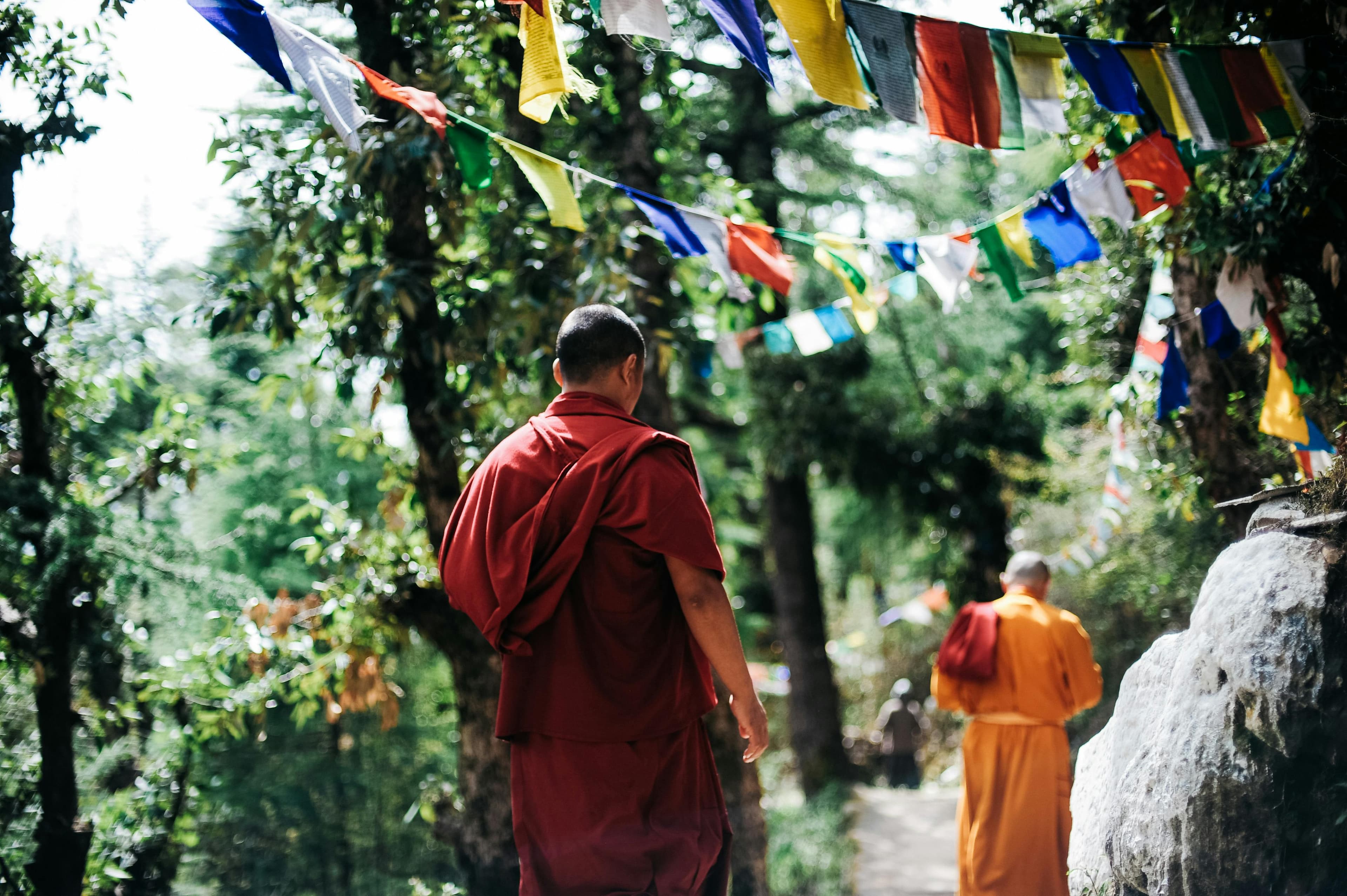
What happens: The most visible Losar celebrations in Nepal occur at Boudhanath Stupa in Kathmandu — one of the largest Buddhist stupas in the world and the center of Nepal's Tibetan Buddhist community. Prayer ceremonies, butter lamp lighting, and community gatherings take place over three days. Sherpa villages in the Khumbu region (including Namche Bazaar) celebrate with dancing and traditional activities.
For travelers: Attending Losar at Boudhanath is one of the finest Buddhist cultural experiences in Nepal. The stupa is decorated with prayer flags and hundreds of butter lamps at night. The timing (February) falls in the quiet winter season, meaning crowds are manageable and hotels are affordable.
Gregorian New Year (January 1)
Kathmandu, particularly Thamel, celebrates December 31 and January 1 with concerts, parties, and street celebrations. Hotels and restaurants offer New Year packages. This is the most tourist-oriented of Nepal's New Year celebrations, driven by international visitors rather than deep cultural tradition. It is lively, well-organized, and easy to join.
FAQ
Q: Can I participate in Losar ceremonies at Boudhanath?
Yes. The ceremony is open to respectful visitors. Dress modestly, remove shoes before entering the stupa's inner precincts, and follow the crowd's lead in terms of where to stand and observe. Photography is generally acceptable but ask before photographing monks during active prayer.
Q: What date does Nepali New Year fall in 2025?
Baishakh 1, BS 2082 falls on April 14, 2025. The date typically falls between April 13 and 15 in the Gregorian calendar.