Travel Tips
Nepal Monsoon With Family: What to Expect June to September
Traveling to Nepal with family during monsoon season requires different planning but opens up green landscapes, fewer crowds, and unique cultural experiences.
Nepal's monsoon season runs from approximately mid-June through mid-September. The southwest monsoon brings heavy rainfall, particularly to the Terai lowlands and the middle hills. For most outdoor trekking purposes, the monsoon is the least favorable season. However, for families whose school and work schedules allow only summer travel, Nepal during the monsoon is entirely manageable and, in some respects, uniquely beautiful.
What Monsoon Looks Like in Nepal
The monsoon does not mean constant rain all day. In Kathmandu and Pokhara, the typical monsoon pattern involves sunny or overcast mornings, increasing cloud buildup through the afternoon, and heavy rain from afternoon into evening. Mornings are often perfectly clear and usable for sightseeing. The Terai (Chitwan, Lumbini) receives heavier and more consistent rainfall than the hill regions.
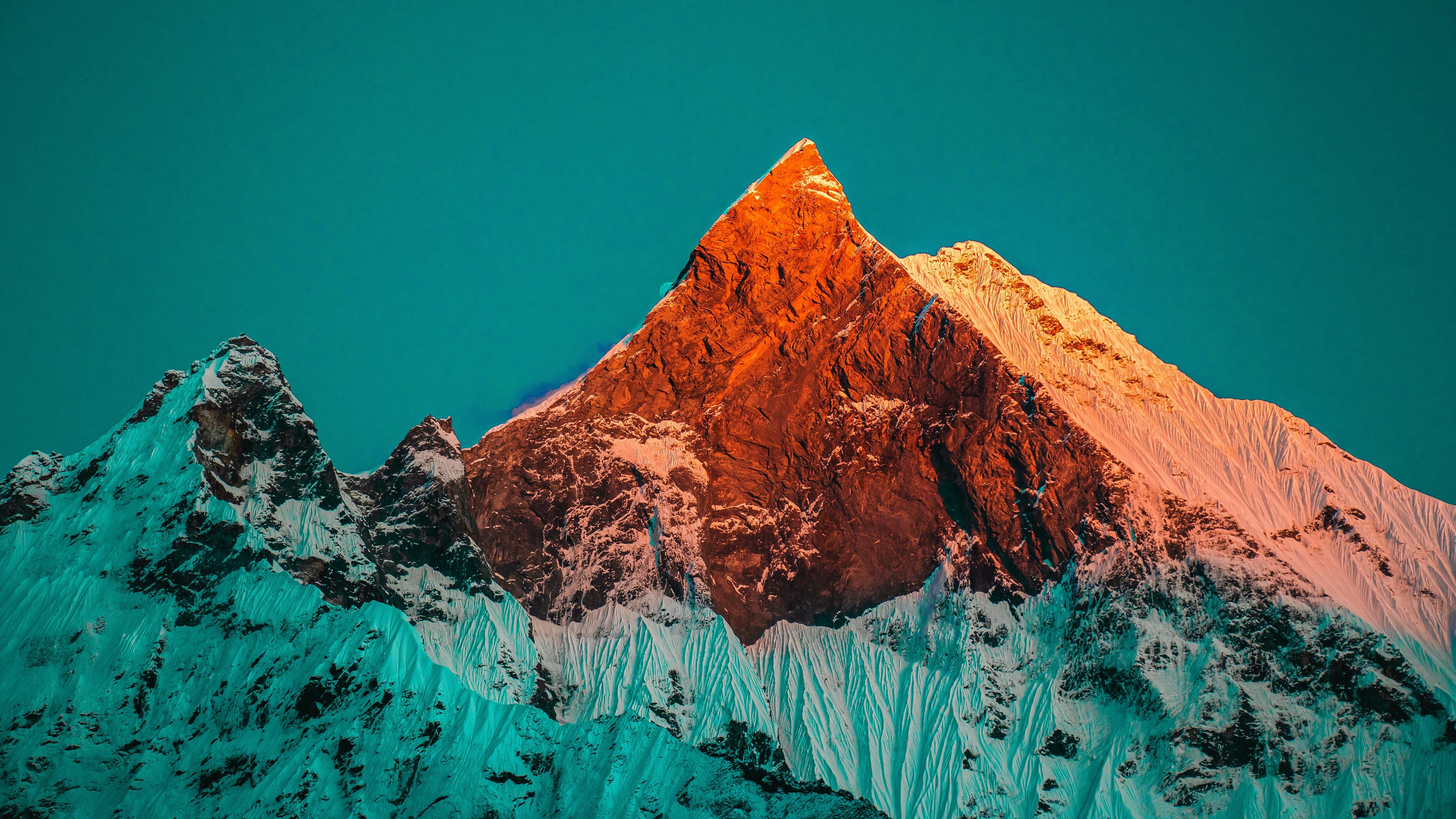
Mountain views are largely hidden by cloud during the monsoon. Families visiting specifically for Himalayan views should choose October-November or March-April instead.
What Works Well in Monsoon
Kathmandu Sightseeing
The Durbar Squares, Boudhanath, Swayambhunath, Patan, and museum visits all function well during monsoon. Rain can make temple courtyards atmospheric and photogenic. The city's green hills appear at their lushest. Museum visits, cooking classes, and cultural activities are entirely unaffected by weather.
Planning this trip? 🎒
Don't stress about transport or guides. Sajilo offers verified cabs, luxury tourist buses, and expert guides across Nepal.
Chitwan National Park
The monsoon is actually an excellent time for Chitwan wildlife viewing. The park's vegetation is explosively green, the Rapti River runs full, and many animals including rhinos are highly active. Jeep safaris operate in light rain. Bird watching in monsoon is exceptional -- migratory species are present and the lush vegetation drives insect activity, which brings birds into the open.
Pokhara
Pokhara is beautiful in the monsoon. The hills surrounding the valley are intensely green, the lake is full and reflecting, and the town is considerably quieter than in peak season. Accommodation rates drop 20-40% from peak season prices. Families who value a relaxed, less crowded atmosphere often find monsoon Pokhara the most enjoyable version of the city.
Cultural Festivals
The monsoon months include some of Nepal's most significant festivals:
- Teej (August-September): The major Hindu women's festival, celebrated with distinctive red dress and ritual bathing
- Gai Jatra (August): The Newari festival of the cow, featuring colorful processions and performances originally associated with mourning
- Janai Purnima (August): Sacred thread ceremony at Pashupatinath and Gosainkund
Witnessing an active festival adds immense cultural depth to a monsoon family trip.
What to Avoid in Monsoon
- High-altitude trekking above 3,000 m: trails are slippery, leeches are prevalent in forested areas, and the combination of cloud and rain removes the primary reward of mountain views
- Landslide-prone mountain roads: several roads in the Annapurna and Langtang regions are subject to landslides during heavy rain -- always check road conditions before traveling by road in mountain areas
- River-based activities: white-water rafting conditions on rivers like the Trishuli can become genuinely dangerous during peak monsoon flow
Packing for Monsoon
- Lightweight waterproof jacket for each family member (not just a poncho)
- Quick-dry clothing
- Waterproof sandals or shoes
- Small dry bags for cameras, phones, and documents
- Insect repellent with DEET (mosquito activity peaks in monsoon)
- Umbrella for urban sightseeing