Travel Tips
Nepal Monsoon Travel Guide (June–September)
What to expect when traveling Nepal during monsoon season — which regions stay dry, what's beautiful about the rain, and how to plan a rewarding trip.
Overview
Nepal's monsoon runs from June through September, peaking in July and August. The southwest monsoon sweeps in from the Bay of Bengal, dropping heavy rainfall across the Terai lowlands and middle hills. The rain is not constant — it follows a rhythm of heavy afternoon downpours, overnight rain, and often clear mornings. Understanding this pattern helps you plan a trip that takes advantage of the monsoon rather than fighting it.
What the Monsoon Does to the Landscape
Nepal in monsoon is intensely green. Rice paddies terrace the hillsides in every shade of emerald. Rivers run full and powerful. Waterfalls that are invisible in autumn appear as dramatic curtains of white water across the mountains. Leeches, mud, and reduced visibility are the downsides, but the landscape's fertility and color are unmatched at any other time of year.
Where to Go During Monsoon
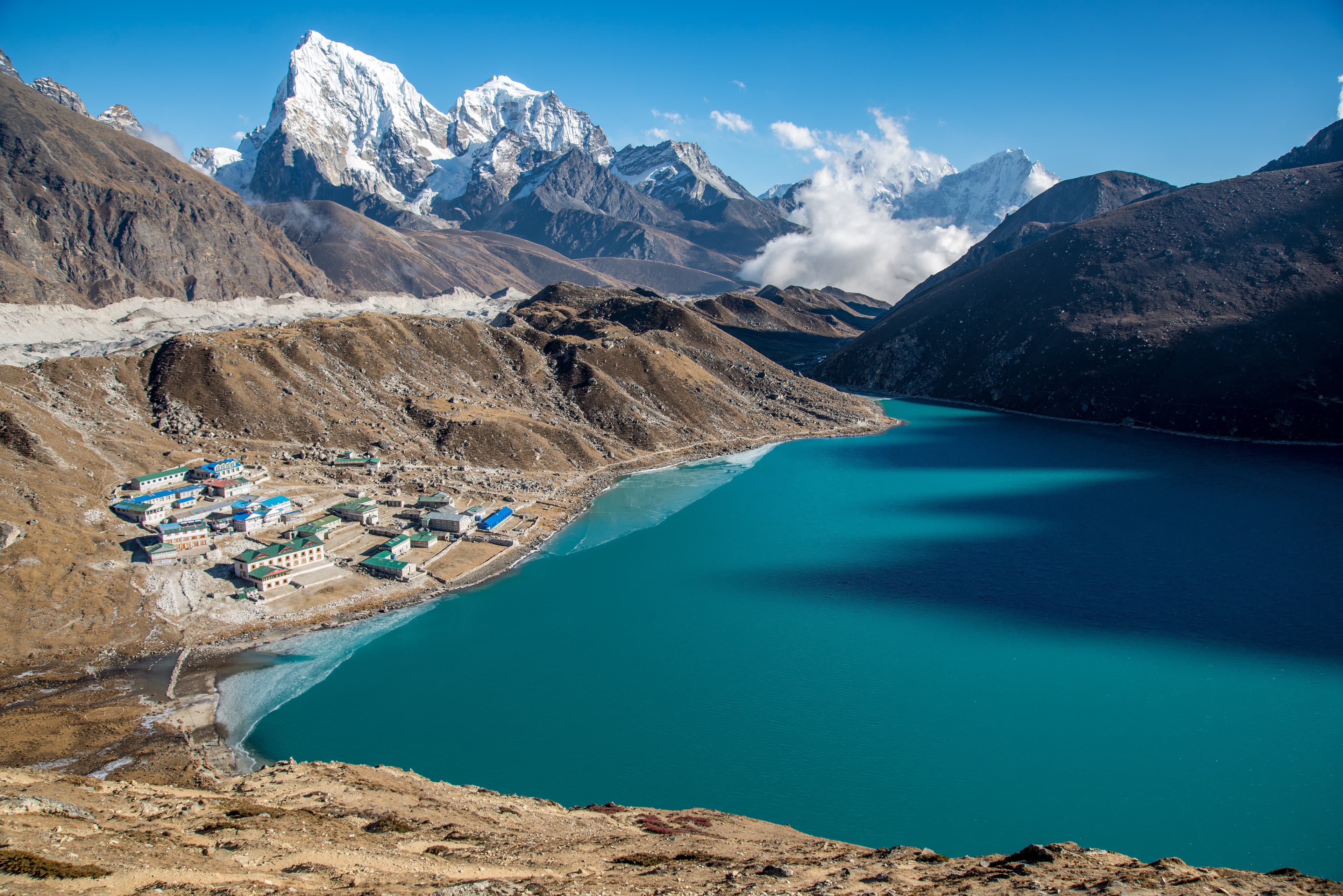
Rain-shadow zones are the monsoon trekker's secret. The Himalayas block the monsoon clouds from crossing into the high arid valleys behind the main range.
- Upper Mustang (Lo Manthang): A restricted area that requires a special permit (NPR 50,000 for 10 days). Dry and clear throughout monsoon. Wind is the main weather concern. Desert landscapes, ancient monasteries, cave dwellings.
- Dolpo (Inner Dolpo): Remote and extremely dry during monsoon. Requires restricted area permits. A serious wilderness trekking destination.
- Upper Humla: Remote northwest Nepal, rain-shadow conditions.
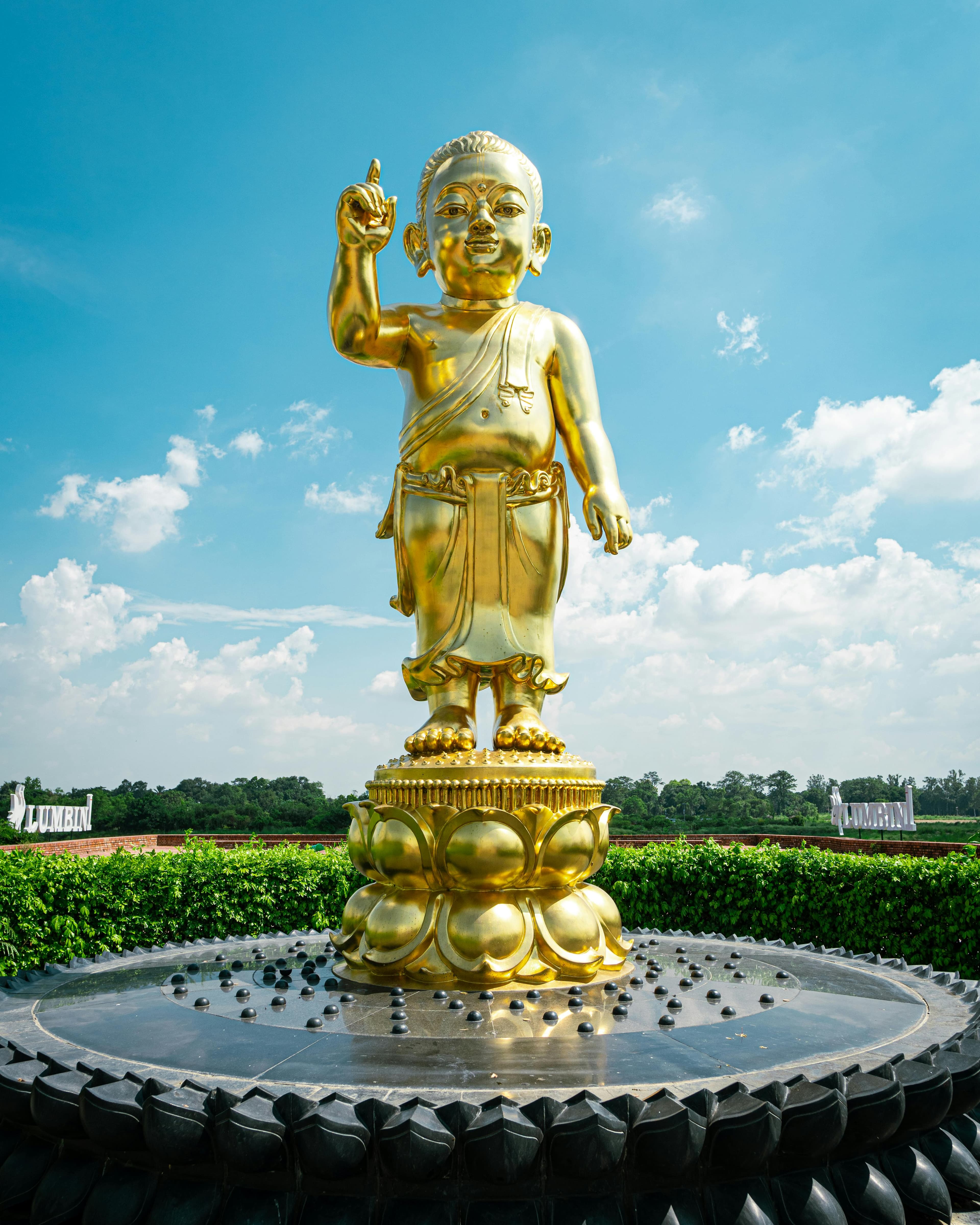
Cultural travel works perfectly during monsoon. Kathmandu's temples, Bhaktapur Durbar Square, Patan, and Lumbini are all equally accessible and far less crowded than in peak season. Museum queues disappear. Prices drop by 20–40%.
Planning this trip? 🎒
Don't stress about transport or guides. Sajilo offers verified cabs, luxury tourist buses, and expert guides across Nepal.
Chitwan National Park: Monsoon brings lush jungle growth and excellent birdwatching. Jeep safaris run during the season, though some areas flood temporarily. Elephant grass grows tall and dense, making wildlife harder to spot.
Monsoon Risks
Landslides are the most serious hazard. The main highways — Prithvi Highway, Arniko Highway, and roads through the hills — are regularly closed by landslides. Build extra days into any schedule that involves road travel between cities. Internal flights to mountain airstrips are frequently delayed or cancelled due to poor visibility. Pokhara airport, in particular, can see consecutive days of no flights.
Leeches are present on trails below 2,500 m from June onward. They are harmless but unpleasant. Carry salt or insect repellent containing DEET, tuck socks over trouser legs, and check yourself at rest stops.
FAQ
Q: Is it safe to trek the Annapurna Circuit or Everest Base Camp in monsoon?
Technically possible but not recommended. Trails become muddy and slippery, leeches are abundant below 2,500 m, mountain views are blocked by clouds for most of each day, and landslide risk on approach roads is elevated. Save these routes for spring or autumn.
Q: What are prices like during monsoon?
Accommodation in Kathmandu and Pokhara drops by 30–50% from peak rates. Fewer tourists mean more attentive service and easier reservations at popular restaurants. Airfares to Kathmandu from most international hubs are lower during monsoon months.