Travel Tips
Milky Way Photography in Nepal: Sites and Settings
Nepal's high-altitude, low-light-pollution sky offers some of Asia's finest Milky Way photography opportunities. Here are the best dark sky sites and the technical settings that work.
Overview
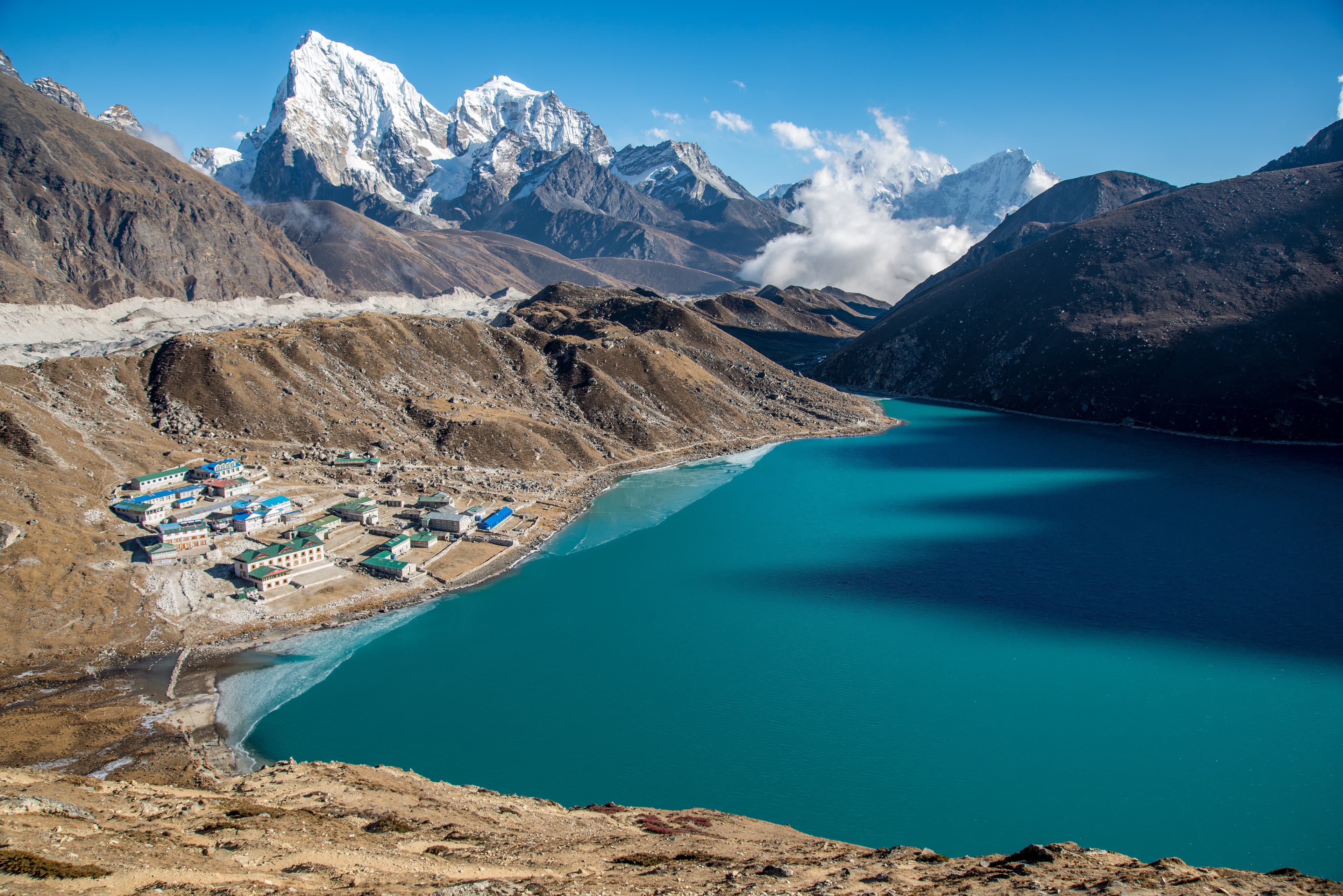
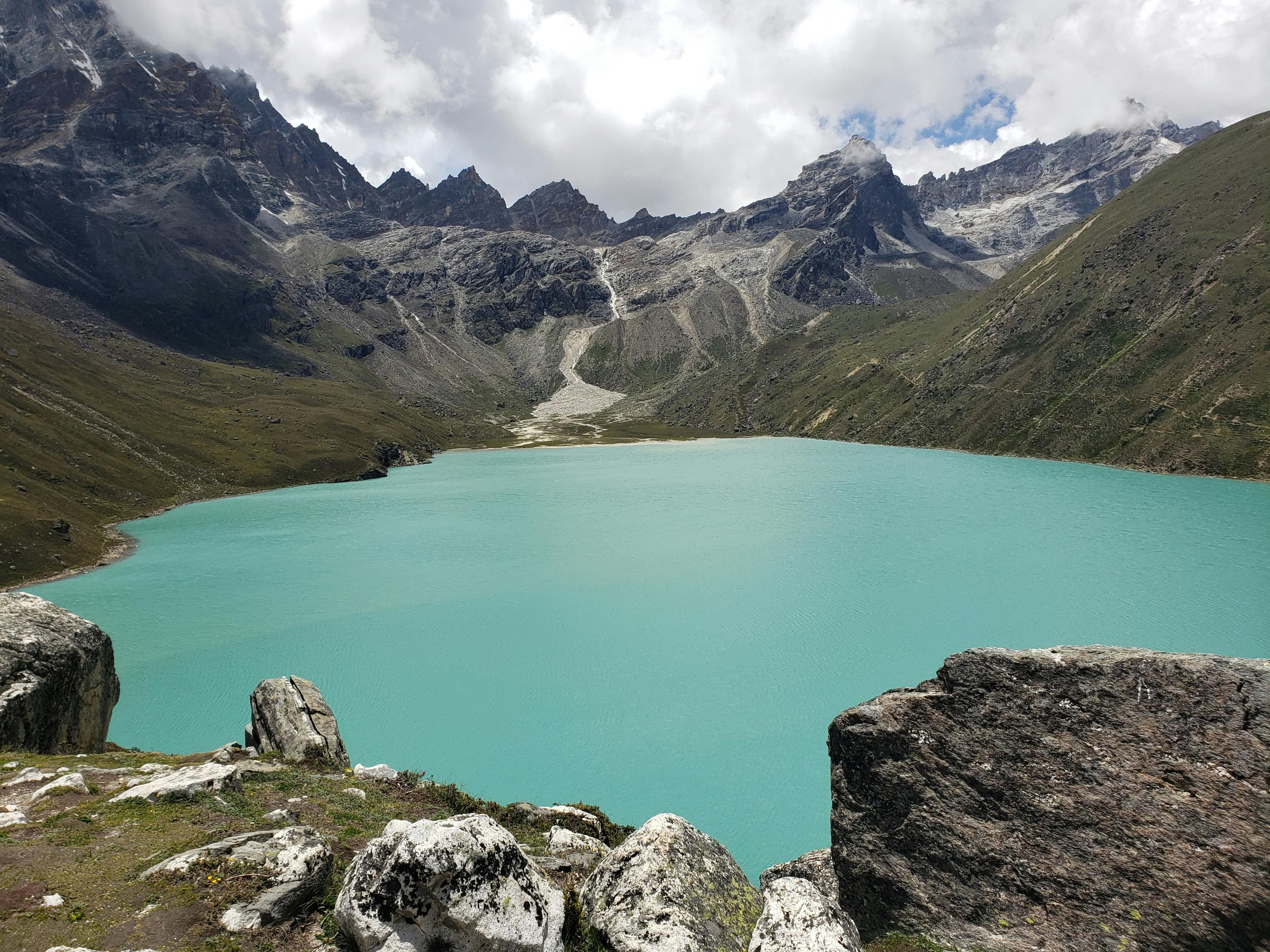
Nepal's best Milky Way photography occurs in high-altitude remote locations with minimal light pollution. The Mustang region (Lo Manthang area), Dolpo, and the Gokyo valley above 4,500m are among Asia's finest dark sky environments. The galactic core is visible from Nepal between February and October, with May through July offering the most dramatic core positioning in the southern sky.
Ideal conditions: new moon phase, clear dry air (pre-monsoon or October–November), and altitude above 3,000m to minimise atmospheric moisture. The Milky Way arch from Gokyo Ri or above Lo Manthang with Himalayan peaks silhouetted below constitutes one of the planet's most dramatic astrophotography compositions.
Technical settings: f/2.8 or wider, ISO 3200–6400 (test your sensor's noise floor), shutter speed using the 500 rule (500 divided by effective focal length equals maximum seconds before star trails). A 14mm lens allows 35-second exposures before trails become visible. Shoot RAW, focus manually to infinity using live view magnification on a bright star.
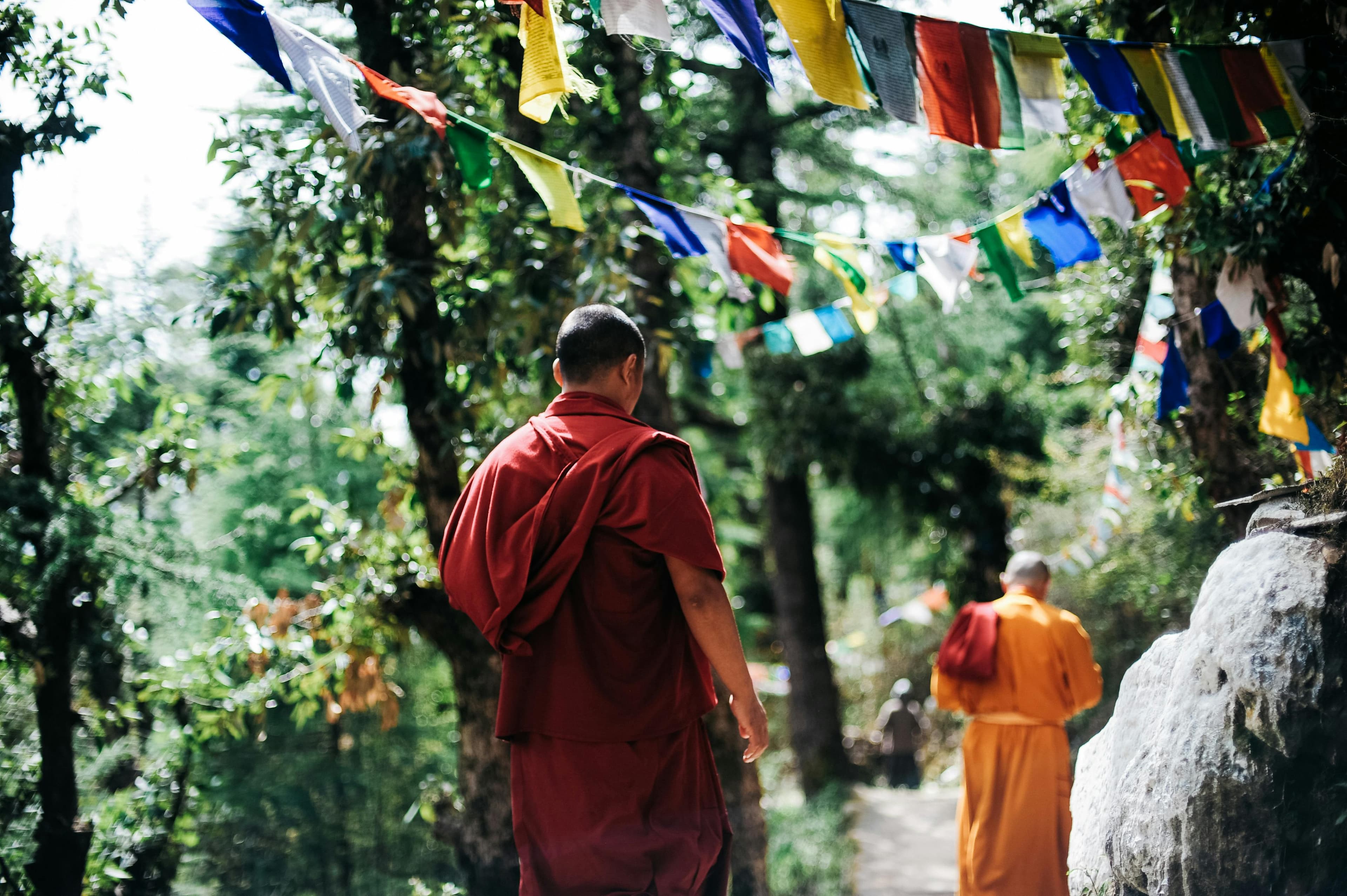
A brief LED flashlight painting during the exposure adds foreground mountain or prayer flag detail without destroying the sky. One to three seconds of diffuse LED light is usually sufficient.
Planning this trip? 🎒
Don't stress about transport or guides. Sajilo offers verified cabs, luxury tourist buses, and expert guides across Nepal.
FAQ
Do I need a star tracker for Milky Way in Nepal? Not for standard Milky Way shots. Trackers allow longer exposures for detail but introduce complexity at altitude and in cold conditions.
What is the best focal length for Milky Way with Himalayan foreground? 14–20mm for both sky and wide foreground together. 35mm for tighter compositions with fewer stars but stronger foreground detail.
How do I know which nights will be cloud-free? Mountain weather is unpredictable. Check Windy.com cloud cover forecasts for high-altitude Nepal and build flexibility into your photography schedule.