Travel Tips
Mental Health Benefits Nepal Trekking
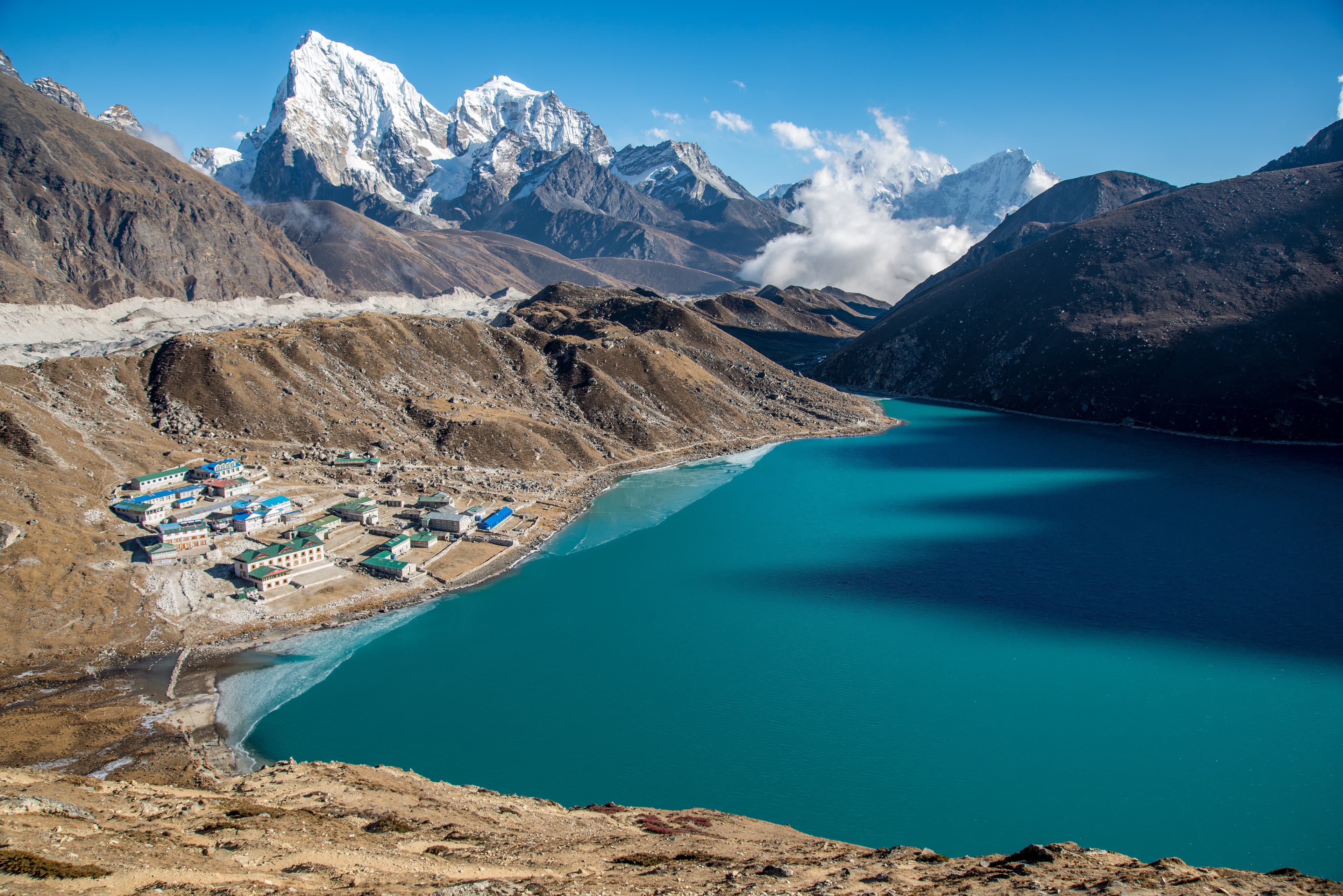
Research consistently shows that extended time in natural environments reduces anxiety, depression, and stress. Nepal trekking delivers these benefits in concentrated form.
Overview
The Japanese concept of Shinrin-yoku (forest bathing) documents measurable physiological reductions in cortisol, blood pressure, and heart rate during time spent in natural environments. Nepal trekking extends this exposure across weeks, with the added dimensions of physical exertion, social connection with fellow trekkers, and the psychological weight of genuine challenge overcome.
Studies on extended wilderness experiences show significant reductions in rumination — the repetitive negative thinking pattern associated with depression and anxiety. When the immediate environment demands full attention (navigating loose scree, crossing a suspension bridge, reading trail markers in fog), the mind cannot simultaneously run its usual worry loops.
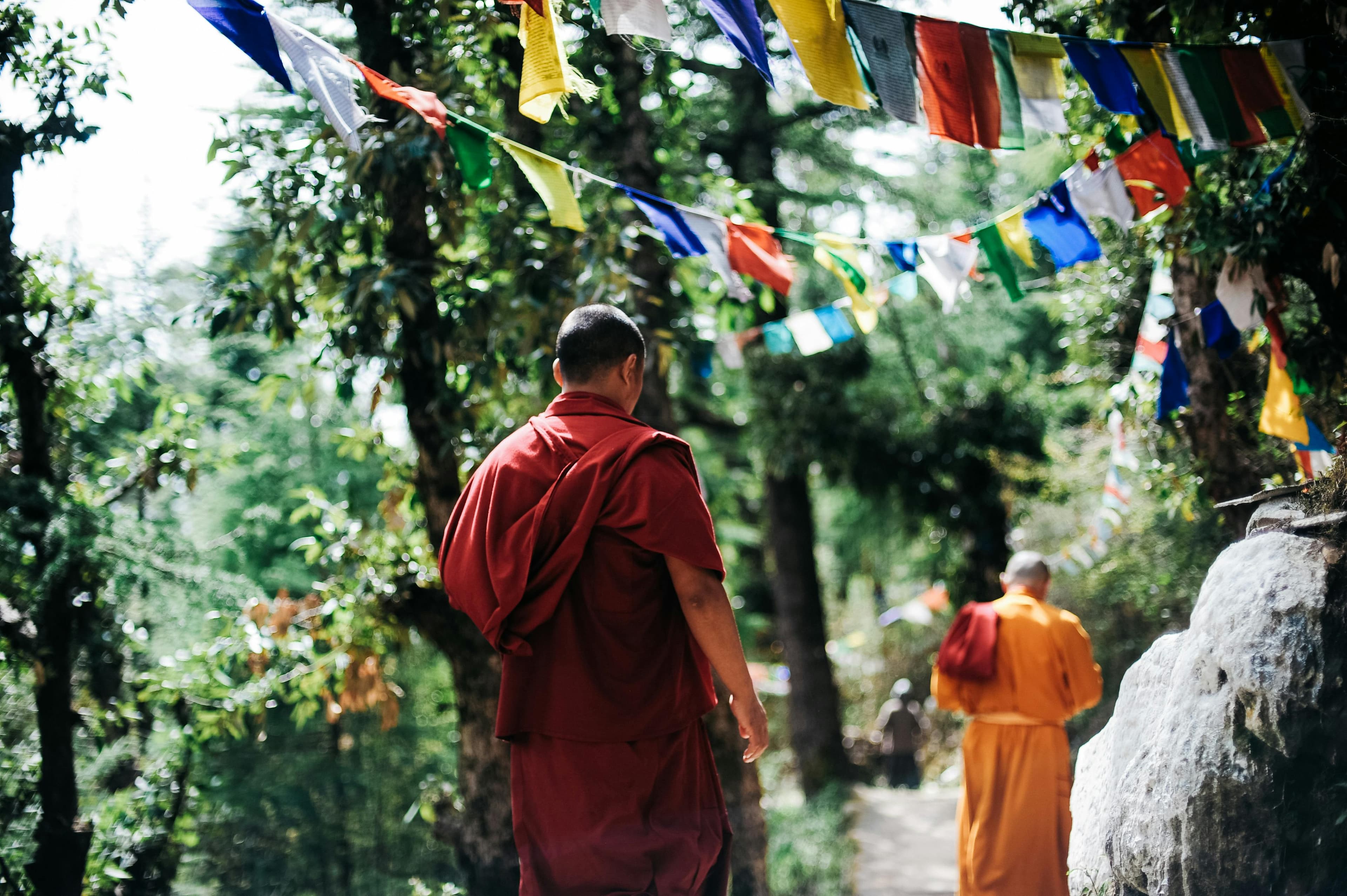
The daily rhythm of trekking also supports mental health through structure: wake at dawn, breakfast, walk, rest, walk, dinner, sleep. This predictable arc removes the decision fatigue of modern connected life. Many trekkers report that the first two days feel restless — email withdrawal is real — before a deeper sense of calm settles.
Physical exertion itself is one of the most evidence-based antidepressant interventions available. Six to eight hours of walking daily at moderate intensity produces substantial endorphin and BDNF (brain-derived neurotrophic factor) release, a neurochemical associated with mood regulation and neuroplasticity.
Planning this trip? 🎒
Don't stress about transport or guides. Sajilo offers verified cabs, luxury tourist buses, and expert guides across Nepal.
Sajilo helps reduce the stressful logistics of Nepal travel — getting from airport to trailhead, arranging city transport between legs — so more mental energy goes to the experience itself.
FAQ
Q: Is trekking recommended for people with active depression or anxiety?
A: For many, yes — consult a mental health professional first. Solo trekking in remote areas is not recommended for people with severe mental health conditions; group treks with social support structures are safer.
Q: How long does the mental health benefit last after returning home?
A: Research on nature-based interventions suggests benefits persist for two to four weeks after return, fading gradually. Regular shorter nature exposure helps maintain the effect.