Travel Tips
Nepal Homestay Guide: Living with Local Families
Homestays in Nepal offer an unfiltered window into daily life that no hotel can replicate. This guide covers how to find and book authentic homestays, what to expect, and how to be a good guest.
Why Choose a Homestay?
A Nepal homestay places you in a family's home, eating their food, sleeping in their spare room, and participating — to whatever degree you choose — in their daily routines. Mornings might begin with fresh butter tea and a family preparing field work. Evenings end with dal bhat cooked on a wood fire and conversation by candlelight. The experience of village life that you observe through a hotel window becomes something you live directly.
Homestays also deliver some of the highest economic impact per dollar spent in tourism. A family receiving guests for NPR 1,200 to 1,800 per night is earning income that stays entirely within their household and community.
Where Homestays Are Available
Kathmandu Valley villages: Kirtipur, Khokana, and Bungamati around Kathmandu all have family homestay programmes. These are convenient for travellers who want a cultural experience within an hour of the city.
Annapurna foothills: Villages like Ghandruk, Ghorepani, and Landruk have thriving homestay networks. These are particularly popular among trekkers who prefer staying with families to commercial teahouses. Many families speak basic English.
Planning this trip? 🎒
Don't stress about transport or guides. Sajilo offers verified cabs, luxury tourist buses, and expert guides across Nepal.
Tharu villages in the Terai: Tharu indigenous communities near Chitwan and Bardia offer cultural homestays that include traditional dance performances, fishing trips, and home-cooked Tharu cuisine. These programmes are often organised through community tourism offices.
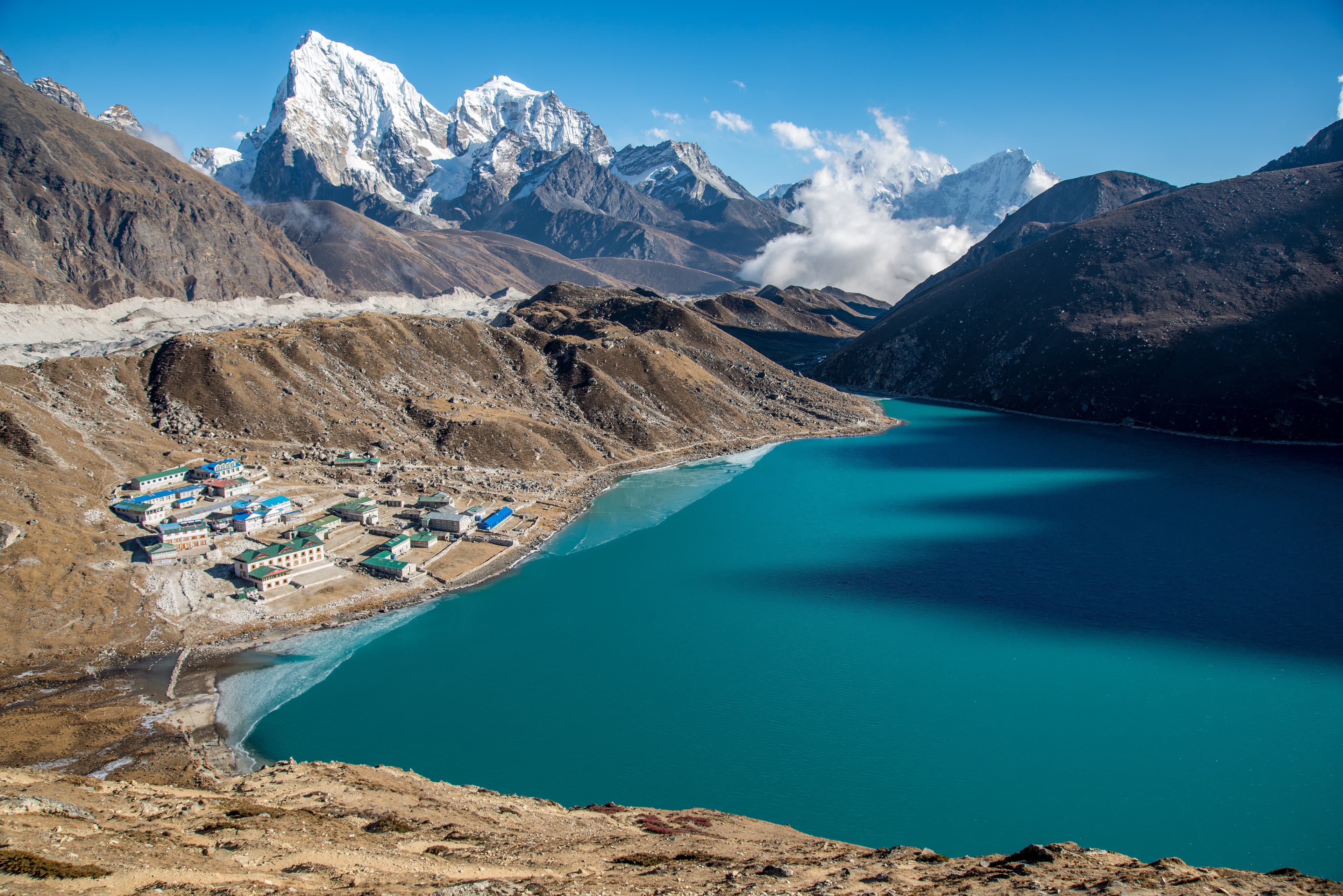
Sherpa villages in the Everest region: A small number of Sherpa families in Namche Bazaar and surrounding villages accept guests. These offer insight into the extraordinary culture that underpins Himalayan mountaineering.
What to Expect
Homestay rooms are simple — typically a wooden bed with a foam mattress, clean bedding, and a shared bathroom. Privacy standards differ from hotels. Shared toilet facilities are normal. Evening meals are almost always dal bhat with whatever vegetable is in season.
Internet access is rarely available in village homestay settings. Mobile data coverage varies by area. This disconnection from screens is, for many travellers, a significant part of the value.
How to Book
Community tourism offices, registered trekking agencies, and platforms such as Nepal Homestay Network can arrange bookings. For trekking route homestays, local guide associations in each village often manage the booking system. Walk-in homestays are possible on popular trekking routes but arriving during October peak season without a booking can be difficult.
Being a Good Guest
Respect household routines. Ask before photographing family members. Remove shoes before entering rooms. Offer to help with simple tasks if the family seems open to it. Dress modestly in rural communities. A small gift — quality tea, local spices from Kathmandu, stationery for children — is always appreciated.
FAQ
Do I need to speak Nepali for a homestay?
Not necessarily. Families in well-established homestay programmes near trekking routes usually have at least one English-speaking member. In remote areas, a guide who serves as interpreter makes the experience much richer.
Are homestays safe for solo female travellers?
Yes, in established programmes. Stick to vetted networks and avoid arranging informal homestays without a reference or agency backing.