Travel Tips
Nepal Health and Vaccination Guide for Families
A comprehensive health and vaccination guide for families traveling to Nepal, covering required vaccines, altitude sickness, food safety, and medical facilities.
Planning a healthy family trip to Nepal requires preparation that goes beyond packing extra snacks. Nepal presents specific health considerations -- altitude, food and waterborne illness, mosquito-borne diseases in the lowlands, and variable medical infrastructure. Addressing these systematically before departure makes the trip considerably safer and more relaxed.
Vaccinations
Visit a travel medicine clinic or your family doctor at least six weeks before departure. This allows time for multi-dose vaccines and for your immune system to develop full protection.
Recommended for All Travelers Including Children
- Hepatitis A: A two-dose course given six months apart provides lifelong protection. A single dose given before travel provides adequate short-term protection. Nepal has a significant Hepatitis A risk through contaminated food and water.
- Typhoid: Available as a single injection (ViCPS vaccine) or an oral course (Ty21a). The injectable form is preferred for children under six years who cannot swallow capsules. Protection lasts two to three years.
- Routine Childhood Immunizations: Ensure your children are up to date on MMR (measles, mumps, rubella), DTaP/Tdap (diphtheria, tetanus, pertussis), varicella, and polio.
Consider Based on Itinerary
- Hepatitis B: Recommended if your stay is longer than one month or if there is any risk of medical procedures or injuries.
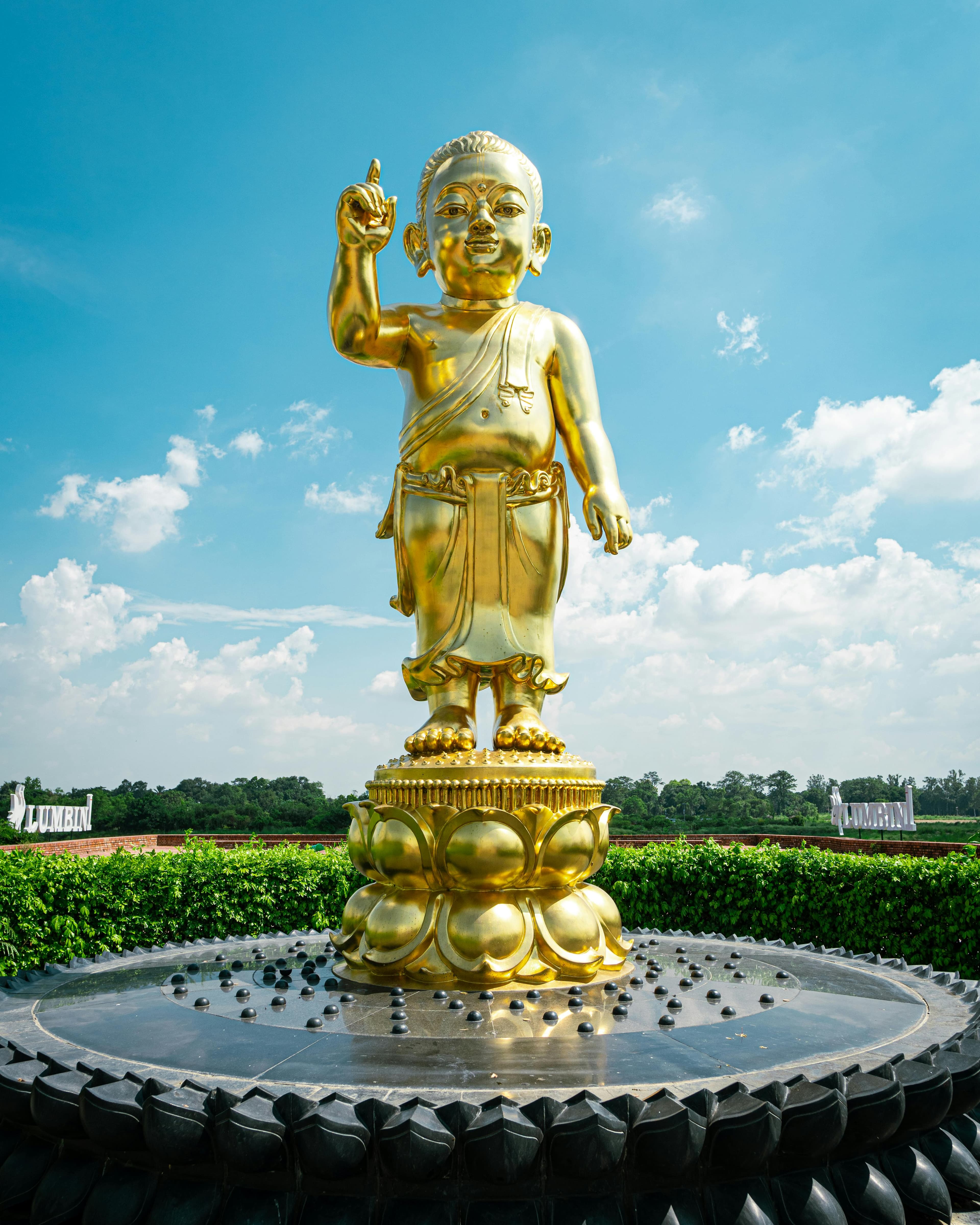
- Japanese Encephalitis: Recommended for travel to rural areas in the Terai (including Chitwan and Lumbini) during the monsoon season (June-October). This mosquito-borne viral disease is rare but serious.
- Rabies Pre-Exposure: Nepal has a significant dog and monkey population. Pre-exposure rabies vaccine is strongly recommended for families traveling with children, who are more likely to be scratched or bitten by animals. Post-exposure treatment in Nepal exists but the quality and consistency of supply are variable.
Altitude Sickness (Acute Mountain Sickness)
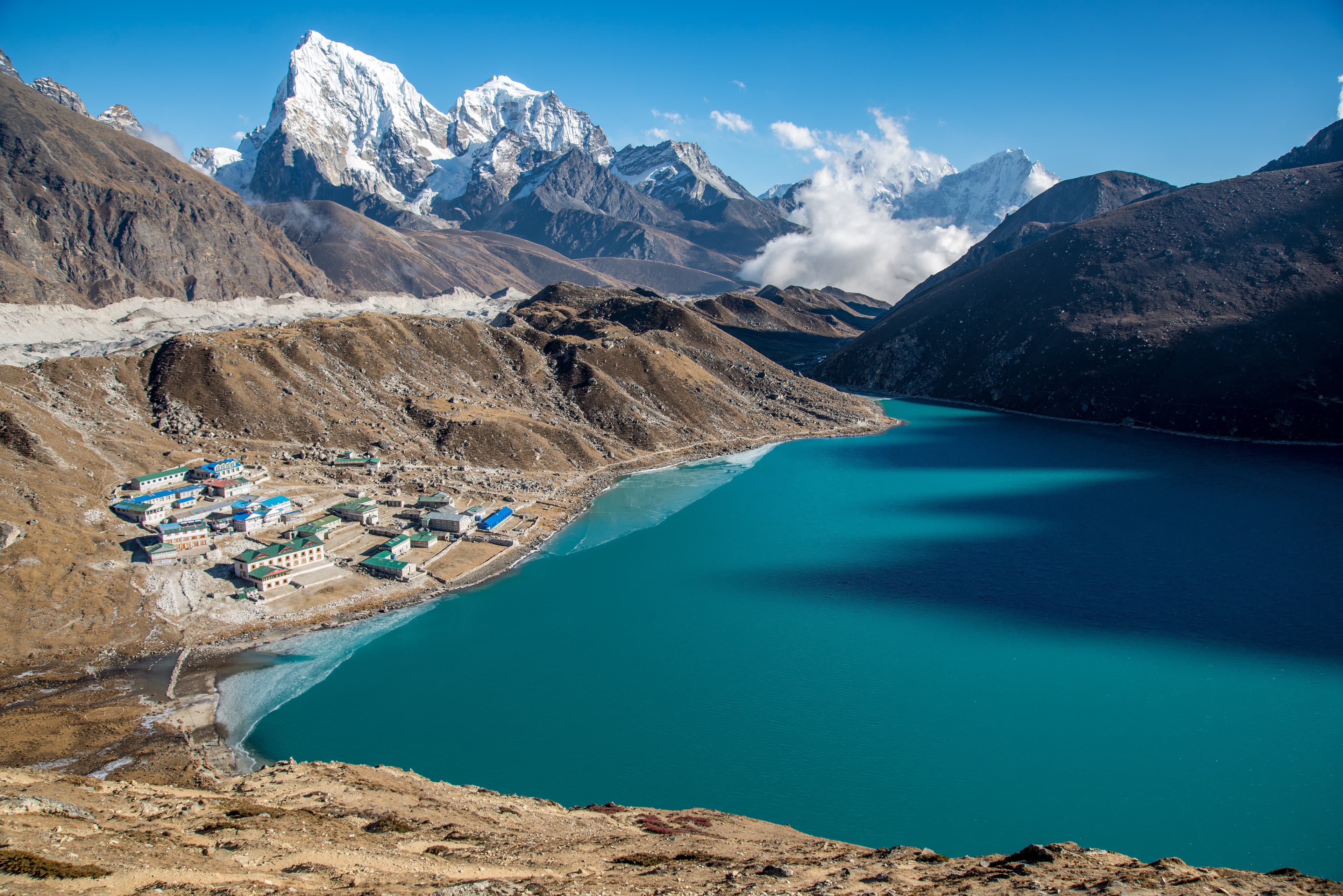
Children are equally susceptible to altitude sickness as adults. Symptoms include headache, nausea, fatigue, and loss of appetite. They typically appear 6-12 hours after ascending to altitude.
Key altitudes to note:
Planning this trip? 🎒
Don't stress about transport or guides. Sajilo offers verified cabs, luxury tourist buses, and expert guides across Nepal.
- Kathmandu: 1,400 m -- minimal risk for healthy individuals
- Nagarkot: 2,175 m -- mild risk; rest on arrival
- Pokhara: 822 m -- no risk
- Ghorepani (Poon Hill trek): 2,860 m -- moderate risk
- Kyanjin Gompa (Langtang): 3,870 m -- significant risk; require acclimatization day
Rules for families:
- Do not ascend more than 300-500 meters per day above 2,500 m
- Rest for at least one day for every 1,000 meters gained
- Descend immediately if a child shows moderate or severe symptoms
- Carry a pulse oximeter -- blood oxygen below 90% at altitude warrants descent
- Acetazolamide (Diamox) can be prescribed for older children but consult your doctor on dosing
Food and Water Safety
Water from taps and wells in Nepal is not safe to drink without purification. Drink only:
- Commercial bottled water (check the seal is intact)
- Water that has been boiled for at least one minute
- Water treated with iodine tablets or filtered through a SteriPen UV purifier
Be cautious with:
- Salads and raw vegetables washed in tap water
- Fruit that cannot be peeled
- Ice in drinks
- Street food from vendors with poor hygiene practices
Look for restaurants busy with local customers and those that show visible food preparation in clean conditions.
Traveler's Diarrhea
The most common illness affecting families in Nepal. Treatment for children focuses on oral rehydration -- carry commercial ORS sachets. Antibiotics (such as azithromycin) may be prescribed for bacterial cases -- discuss with your travel doctor before departure.
Medical Facilities
Kathmandu has several hospitals with adequate facilities for common emergencies:
- CIWEC Hospital (Kathmandu): Specializes in travel medicine, English-speaking staff
- Kathmandu Model Hospital
- Patan Hospital
Outside Kathmandu, medical facilities are limited. Pokhara has Western Regional Hospital with reasonable capacity. Chitwan has BP Koirala Institute of Health Sciences in nearby Bharatpur. For serious pediatric emergencies outside Kathmandu, medical evacuation to Kathmandu may be necessary -- ensure your travel insurance covers emergency air evacuation.
Travel Insurance
Non-negotiable for families with children. Ensure the policy covers emergency medical evacuation by helicopter, repatriation, altitude-related illness (if trekking), and adventure activities if your family plans paragliding, white-water rafting, or similar activities.