Travel Tips
Nepal Electricity and Plugs Guide
Nepal uses a mix of plug types and voltage that can catch travellers off guard. Here is everything you need to know about power in Nepal.
Overview
Nepal uses 230V / 50Hz electricity, the same as most of Europe, Australia, and Asia. The plug types vary — you will encounter Type C (two round pins), Type D (three large round pins), and Type M (three large round pins) sockets across Nepal.
Power cuts (load shedding) were once common in Nepal but have improved significantly in recent years. However, voltage fluctuations can still occur, especially during monsoon season.
Key Tips
Bring a universal travel adapter to cover all possible socket types. A surge protector is worth carrying if you have expensive electronics. Most hotels in tourist areas have adapted sockets or will provide an adapter on request.
Charge your devices whenever possible, particularly before trekking days. Tea houses on trekking routes charge for phone charging — typically NPR 200 to NPR 500 per device per night.
Planning this trip? 🎒
Don't stress about transport or guides. Sajilo offers verified cabs, luxury tourist buses, and expert guides across Nepal.
Power banks are invaluable on trekking routes where electricity is unreliable. Carry a high-capacity power bank and charge it fully in Kathmandu or Pokhara before heading into the mountains.
FAQ
Do I need a voltage converter for Nepal?
If your device supports 100-240V (check the label), you only need a plug adapter. Most modern electronics, phone chargers, and laptops are dual-voltage. Hair dryers and electric shavers often are not.
Is there electricity on trekking routes?
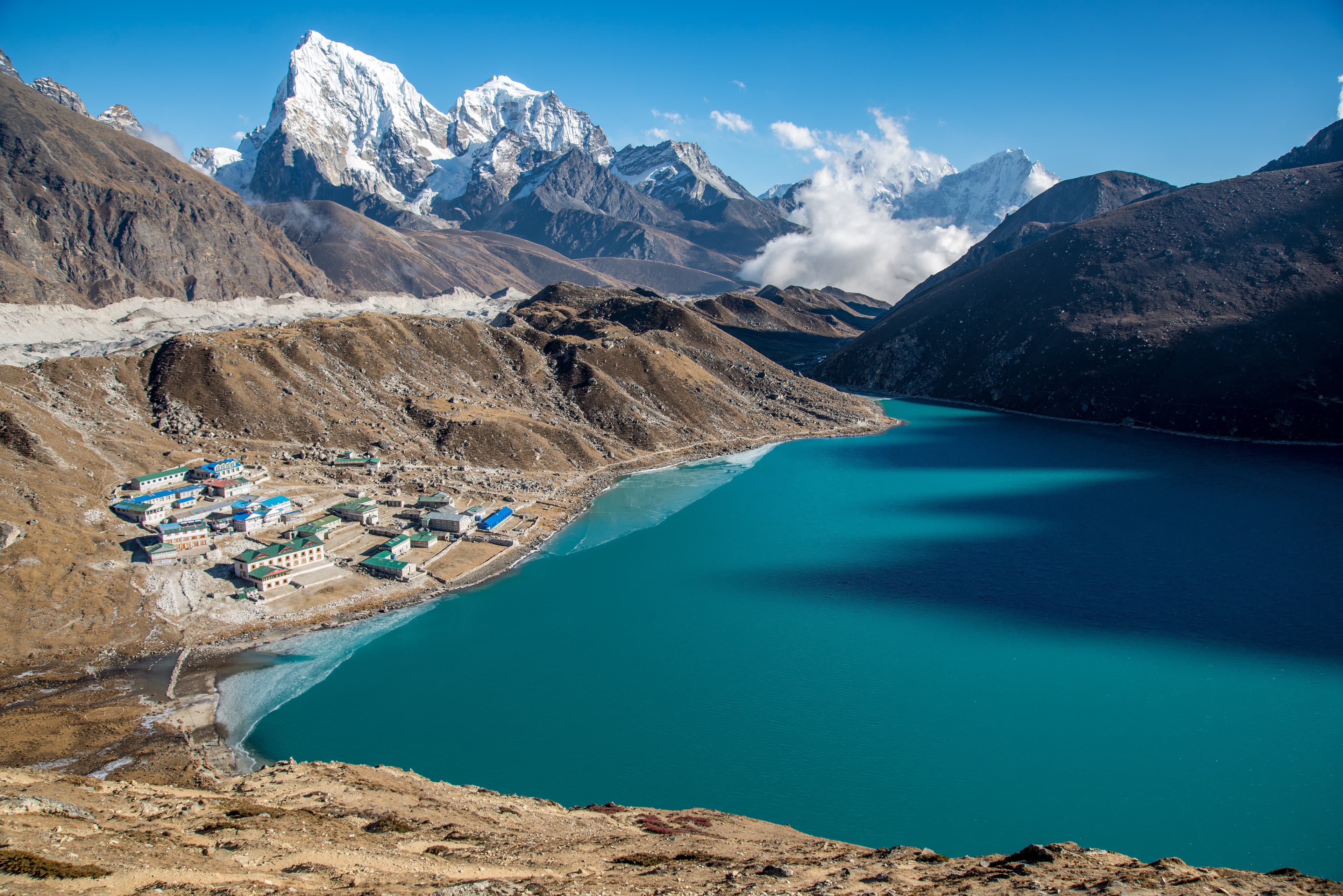
Most teahouses on major trails have electricity for basic lighting and phone charging. Above 4,500 meters, power is from solar panels and can be limited on cloudy days.
What happens during a power cut in Nepal?
Most hotels and guesthouses have backup power or inverters. Candles are common in smaller guesthouses. Keep a headlamp or torch with spare batteries in your day bag.