Travel Tips
Drinking Water Safety in Nepal
Tap water in Nepal is not safe to drink. This guide covers the best options for safe drinking water throughout your trip, from cities to trekking trails.
Overview
Tap water in Nepal is not potable for travellers. Drinking untreated water is one of the most common causes of illness among tourists. The good news is that safe drinking water is readily available and affordable across the country.
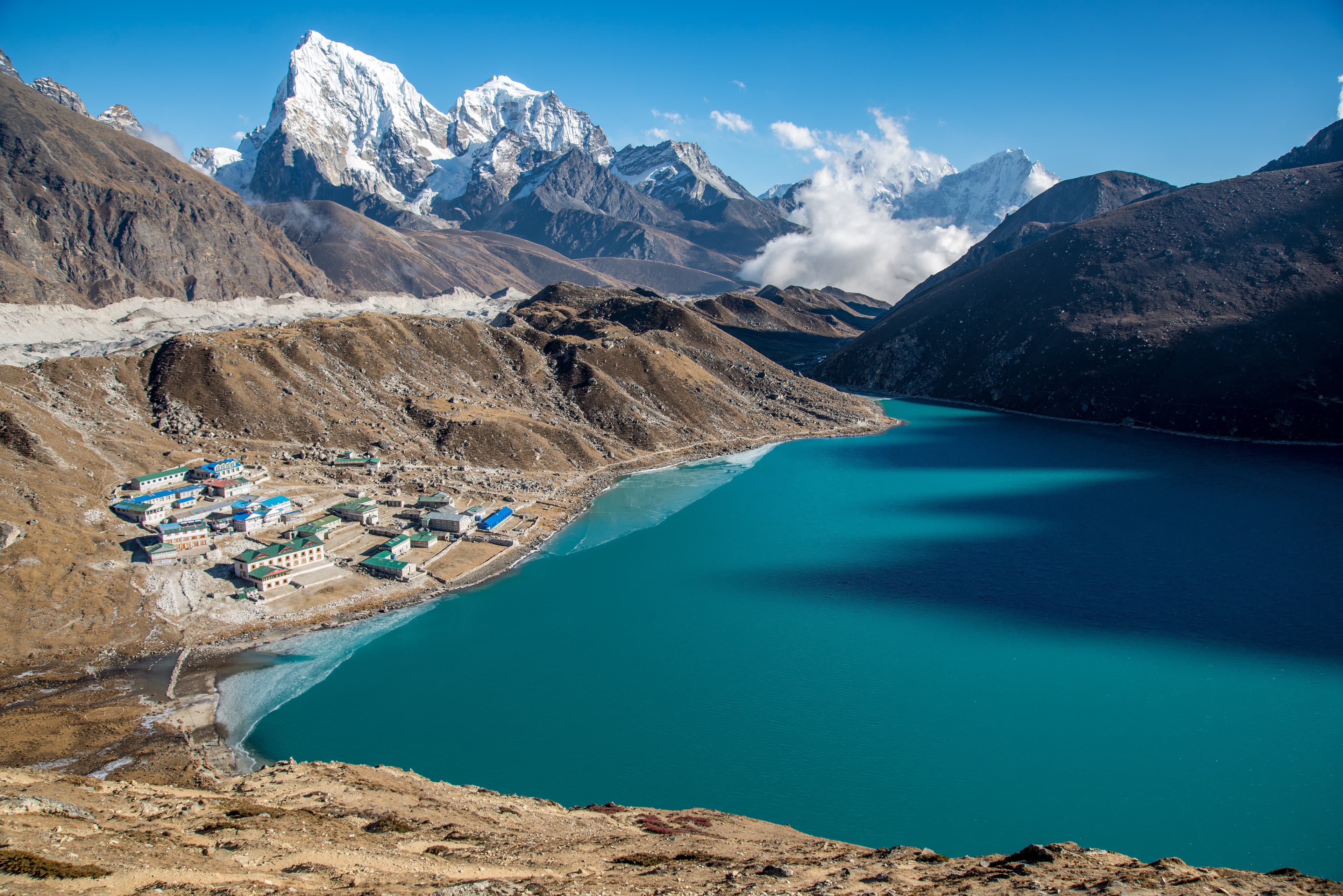
On trekking routes, the situation varies — spring water higher up tends to be cleaner, but even mountain streams can be contaminated by yak pastures and village wastewater.
Key Tips
In cities, buy sealed bottled water from reputable brands (Himalayan, Everest, or Bisleri). Check the seal before opening. Alternatively, most guesthouses and hotels provide hot water for boiling, or use a water purification solution.
For trekking, carry a water filter (Sawyer Squeeze or LifeStraw) or purification tablets to treat water from streams and taps. This is far cheaper and more environmentally responsible than buying plastic bottles at inflated trail prices.
Planning this trip? 🎒
Don't stress about transport or guides. Sajilo offers verified cabs, luxury tourist buses, and expert guides across Nepal.
Many teahouses sell boiled water for NPR 50 to NPR 100 per litre. This is safe and reduces plastic waste from disposable bottles.
FAQ
Can I brush my teeth with tap water in Nepal?
Using a small amount of tap water for brushing teeth carries low risk for most people. Using bottled or purified water is safer if you have a sensitive stomach. Many travellers brush with tap water without issue.
How do I refill my water bottle on trekking trails?
Installed water refill stations exist on some popular trails at a small cost (NPR 30 to NPR 80 per litre). These are ecologically better than plastic bottles. Water filters and purification tablets give you complete independence.
Are ice cubes safe in Nepal?
In high-end restaurants and hotels, ice is made from purified water and is safe. In local tea shops and smaller establishments, avoid ice as it is often made from tap water.