Travel Tips
Nepal Dress Code: What to Wear Where
Nepal has distinct dress expectations at religious sites, in rural communities, and in urban areas. Getting it right shows cultural respect and avoids embarrassment.
Nepal is a predominantly Hindu country with a significant Buddhist population and strong community traditions. Dress codes exist and are enforced at temples; they are expected in villages.
Overview
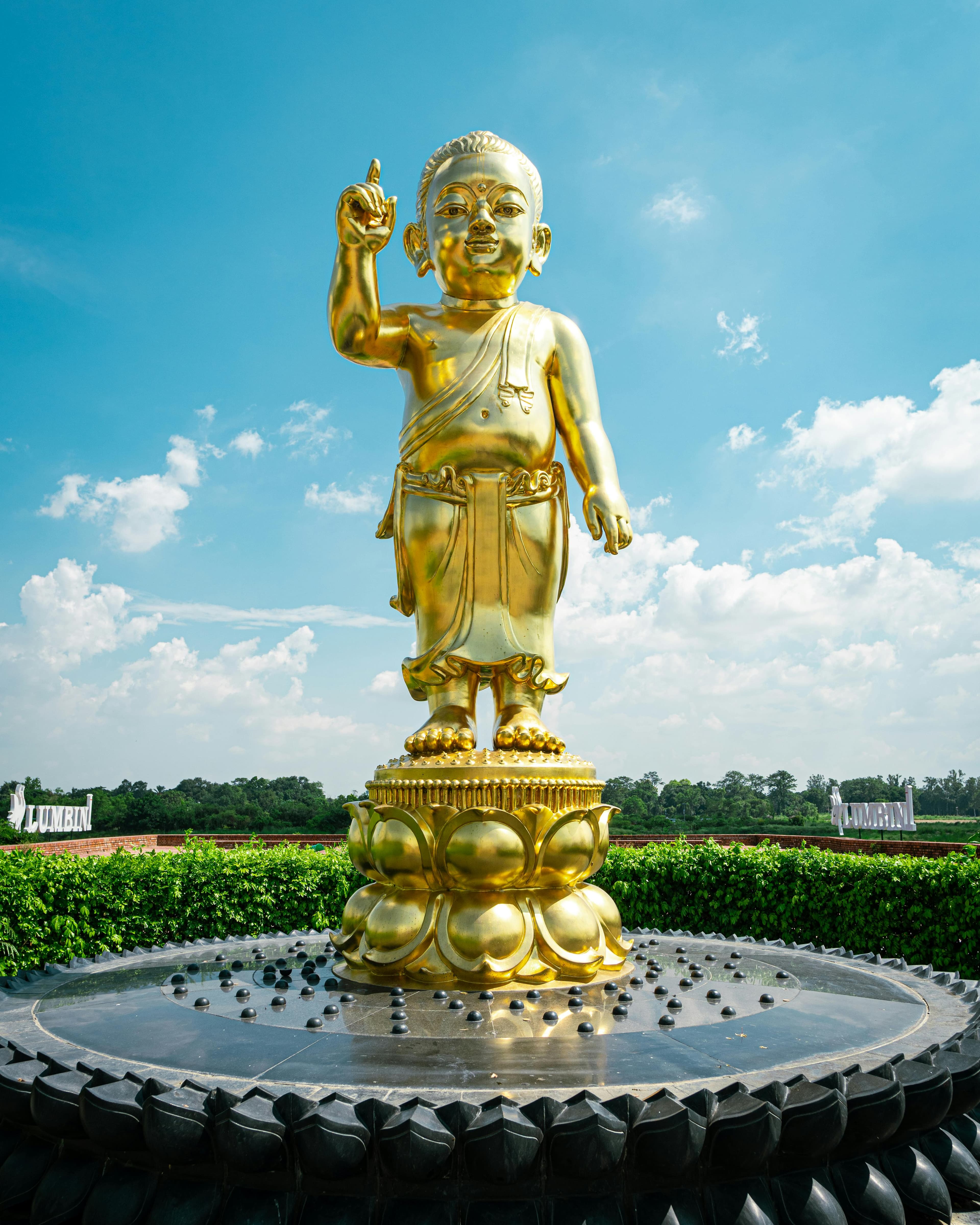
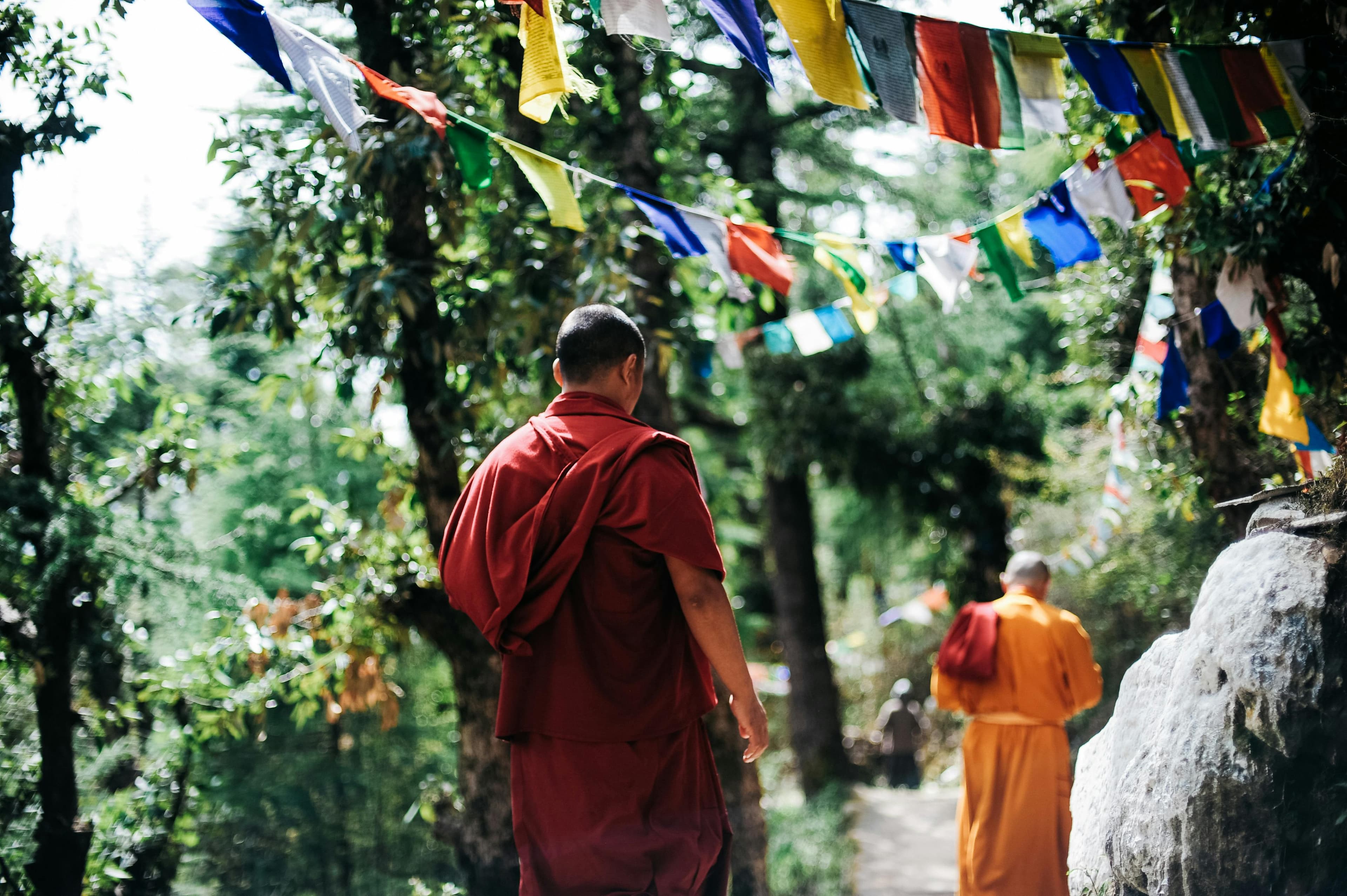
At Hindu temples (Pashupatinath, Manakamana, Muktinath), remove shoes at the entrance gate. Cover shoulders and knees -- a scarf or lightweight trousers carried in your bag is sufficient. Menstruating women are traditionally excluded from some inner sanctuaries; signage usually makes this clear. At Buddhist monasteries (Boudhanath, Swayambhunath, Kopan), similar shoulder and knee coverage applies. Remove shoes before entering gompa halls. At Pashupatinath, non-Hindus cannot enter the main temple but can observe from across the river. In urban Kathmandu and Pokhara tourist areas, casual Western clothing is entirely normal. In rural communities and remote trekking villages, modest clothing (no sleeveless tops or shorts for women; no going shirtless for men) is appreciated and creates better interactions.
FAQ
Can women wear shorts in Kathmandu? In Thamel and tourist districts, shorts are commonplace. In traditional neighbourhoods and especially at temples, a wrap skirt or lightweight trousers is more appropriate.
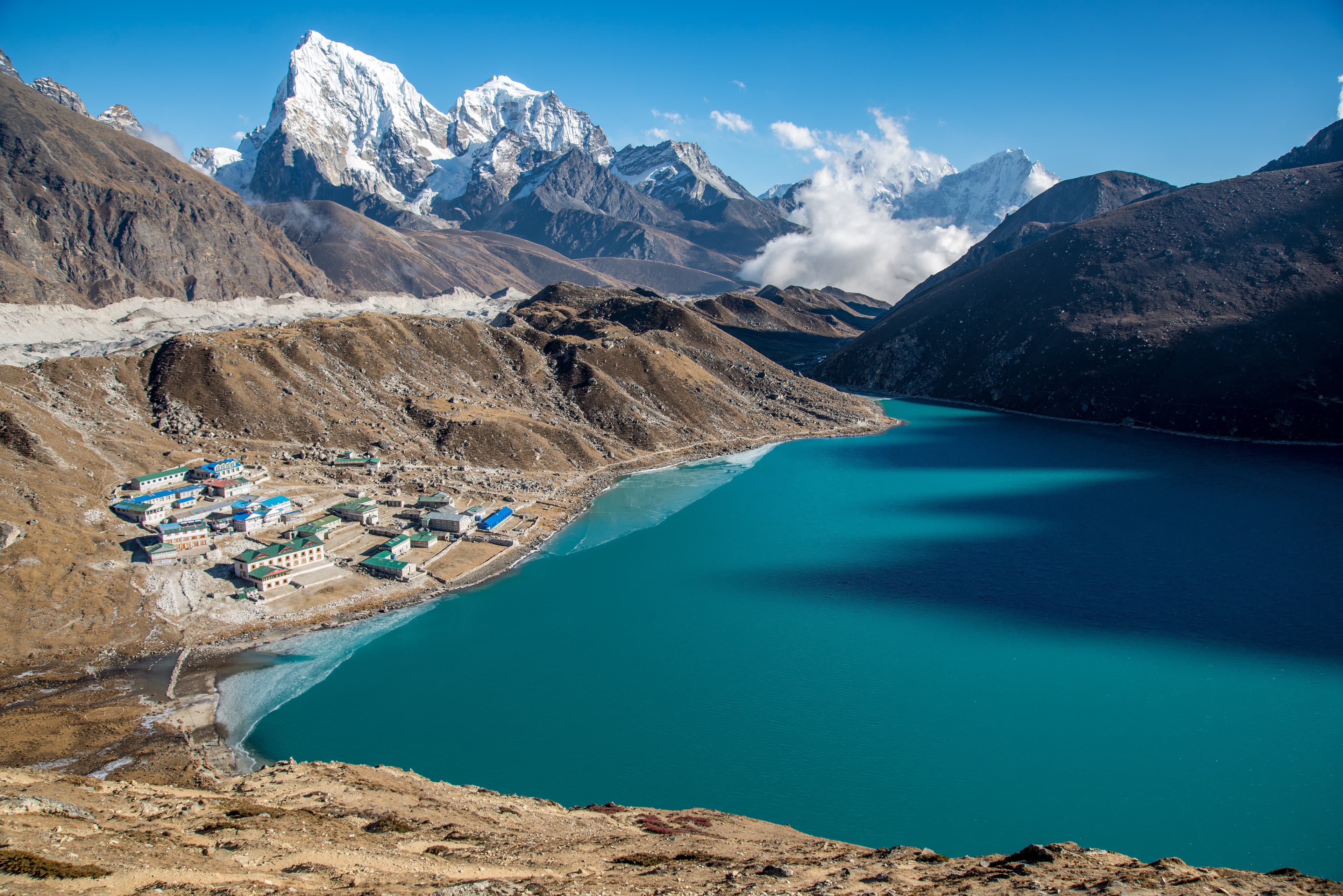
What should I wear trekking? Trekking clothing prioritises function -- moisture-wicking layers, warm mid-layer, waterproof outer shell. Modesty in villages is achieved simply by wearing a t-shirt rather than a tank top.
Planning this trip? 🎒
Don't stress about transport or guides. Sajilo offers verified cabs, luxury tourist buses, and expert guides across Nepal.