Travel Tips
Dress Code Guide for Nepal Travel
Packing the right clothing for Nepal ensures you are comfortable, culturally appropriate, and prepared for changing weather conditions across different regions.
Overview
Nepal s dress code varies significantly by region, altitude, and context. Urban Kathmandu is relatively relaxed about clothing, while rural areas and religious sites have stricter expectations. Trekking requires functional, layered clothing for changing mountain weather.
Packing versatile, modest clothing that can be adapted to different situations is the best strategy for Nepal travel.
Key Tips
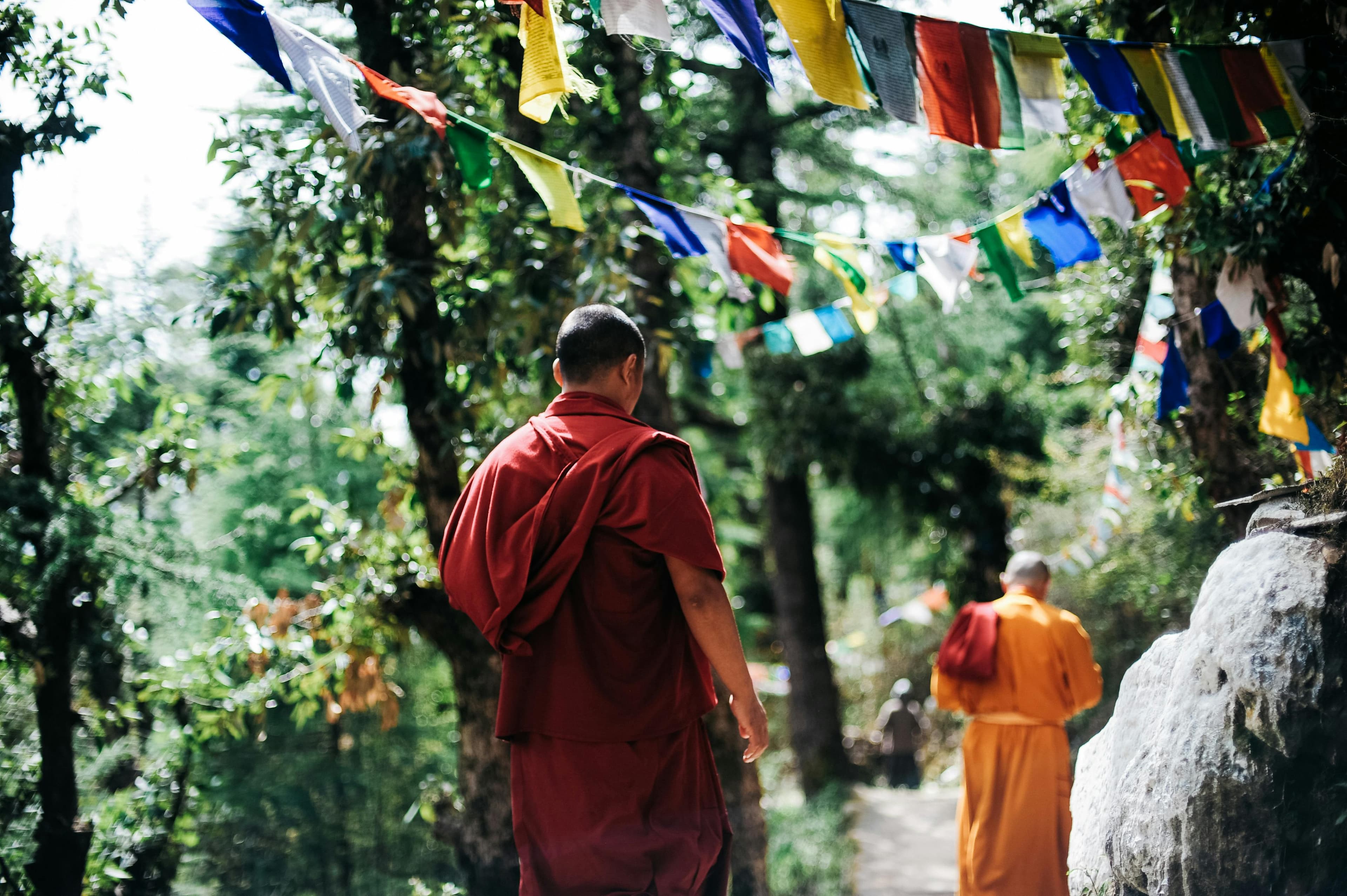
For temple and cultural site visits, wear clothing that covers shoulders and knees. A light cotton shawl or scarf is invaluable — it can double as sun protection and temple cover-up. Avoid sleeveless tops and short skirts or shorts in religious settings.
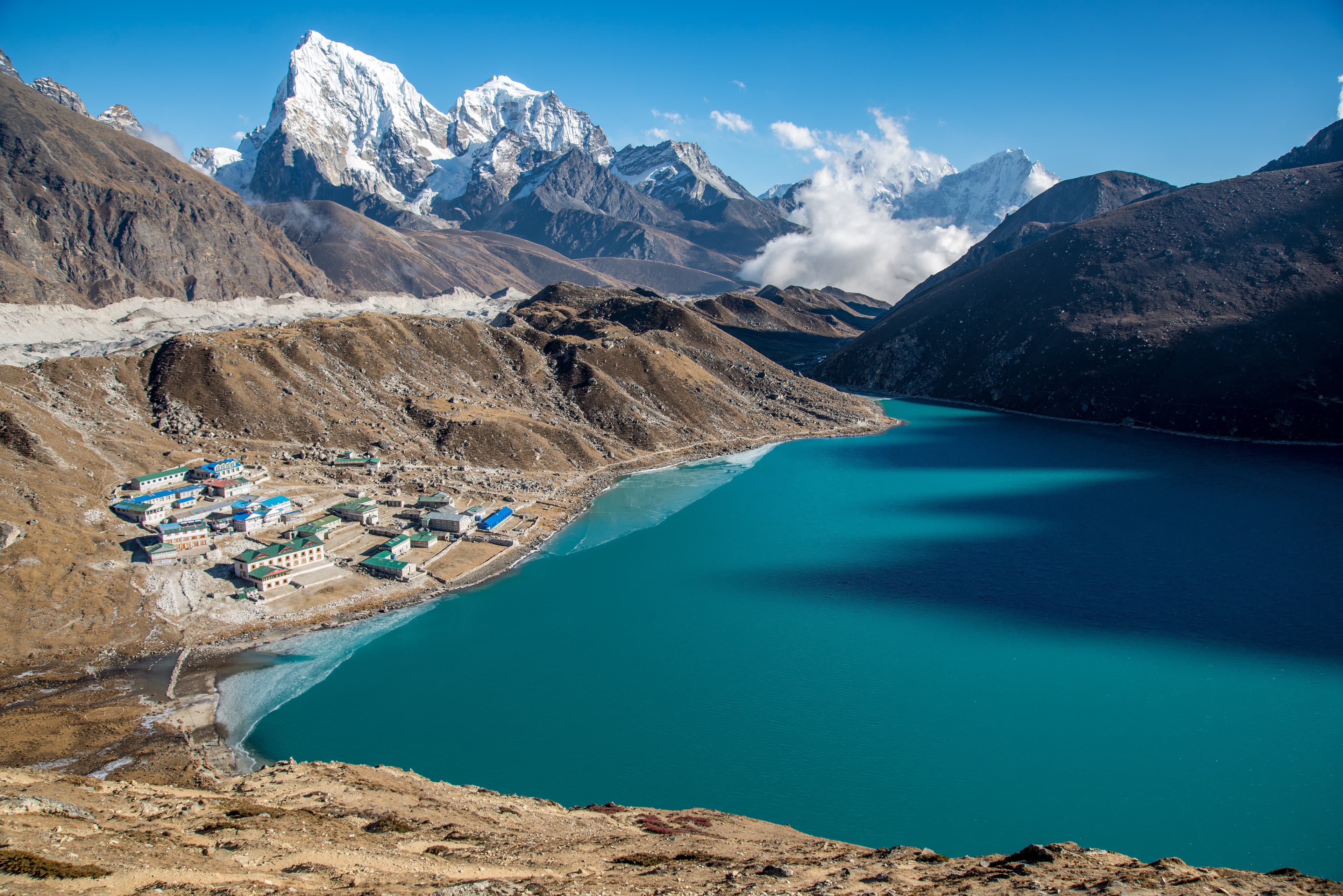
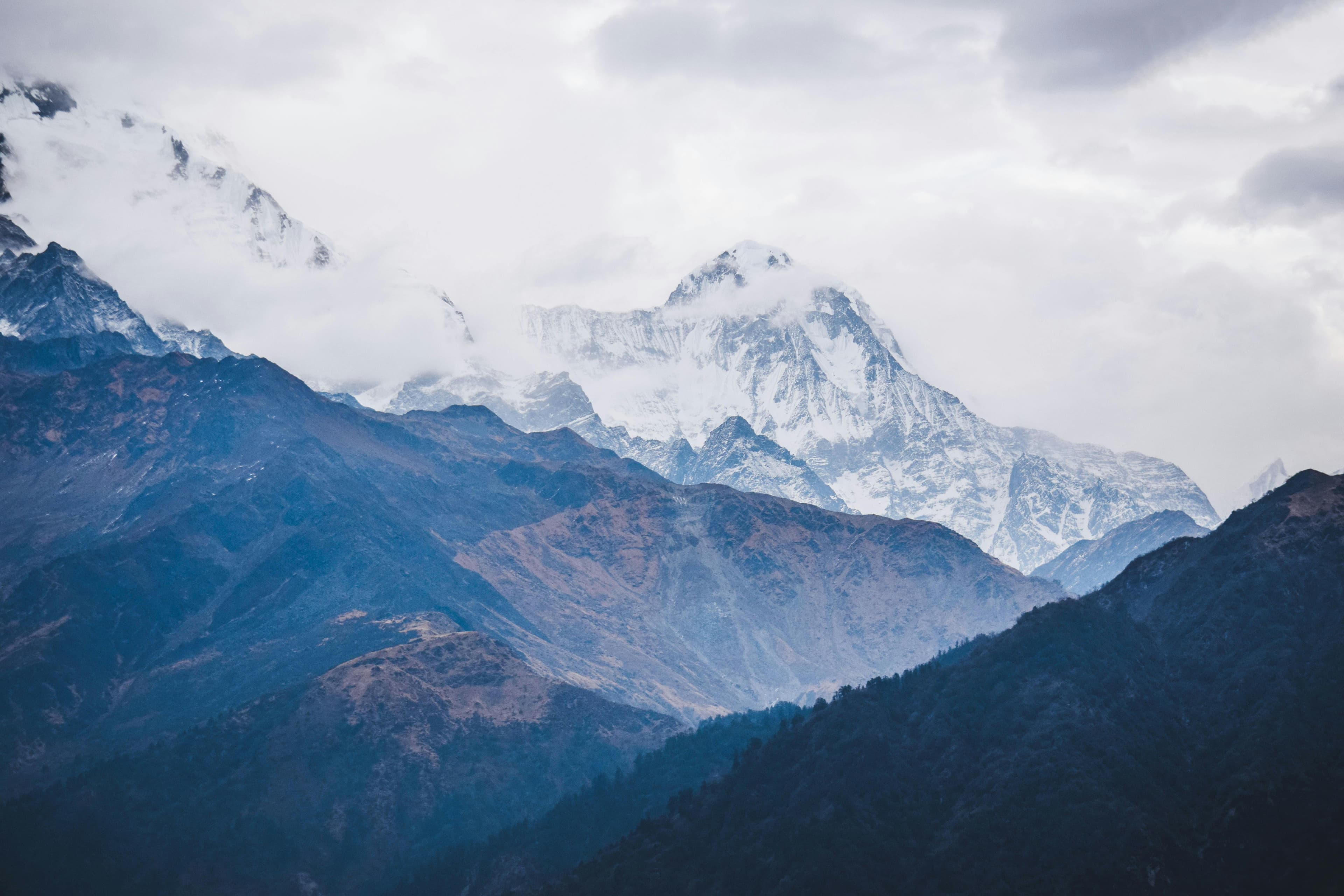
For trekking, moisture-wicking base layers, insulating mid-layers (fleece or down jacket), and a waterproof outer shell are essential. Nights above 3,000 meters can be very cold even in summer.
Planning this trip? 🎒
Don't stress about transport or guides. Sajilo offers verified cabs, luxury tourist buses, and expert guides across Nepal.
In Thamel and Lakeside Pokhara, Western casual clothing is completely acceptable. Most travellers find lightweight, breathable fabrics like linen, merino wool, or technical travel fabrics work best for Nepal s climate.
FAQ
Can I buy trekking clothing in Nepal?
Yes, Thamel in Kathmandu is filled with trekking gear shops. Many sell branded gear and local alternatives at reasonable prices. Quality varies — check seams and zippers carefully. Genuine brands cost more but are worth it for serious trekking.
What shoes should I bring to Nepal?
For city use, comfortable walking shoes or sandals are fine. For trekking, break in your boots before the trip — blisters from new boots are a common problem on trails. Waterproof hiking boots are recommended for most treks.
Is it acceptable to wear shorts in Kathmandu?
Shorts are worn by tourists in Kathmandu and are acceptable in tourist areas. Avoid them at temples, government buildings, and in traditional Newari neighbourhoods where they may be seen as disrespectful.