Travel Tips
Nepal Cultural Tips Every Visitor Needs
Understanding Nepal's cultural norms transforms your visit from tourist to guest. These practical cultural tips help you connect genuinely with communities across the country.
Nepal is a living cultural mosaic of Hindu and Buddhist traditions, ethnic diversity, and Himalayan community values that have evolved across millennia.
Greetings and Basic Respect
Namaste -- hands pressed together at chest height with a slight bow -- is Nepal's universal greeting. It is always appropriate, always appreciated, and always reciprocated with genuine warmth. Use it with shopkeepers, guesthouse staff, village elders, and children. It signals respect immediately. Addressing Nepali adults by name is less common than in Western cultures -- "Didi" (older sister), "Dai" (older brother), "Aama" (mother), and "Buwa" (father) are respectful address terms used for older community members.
Religion and Temples
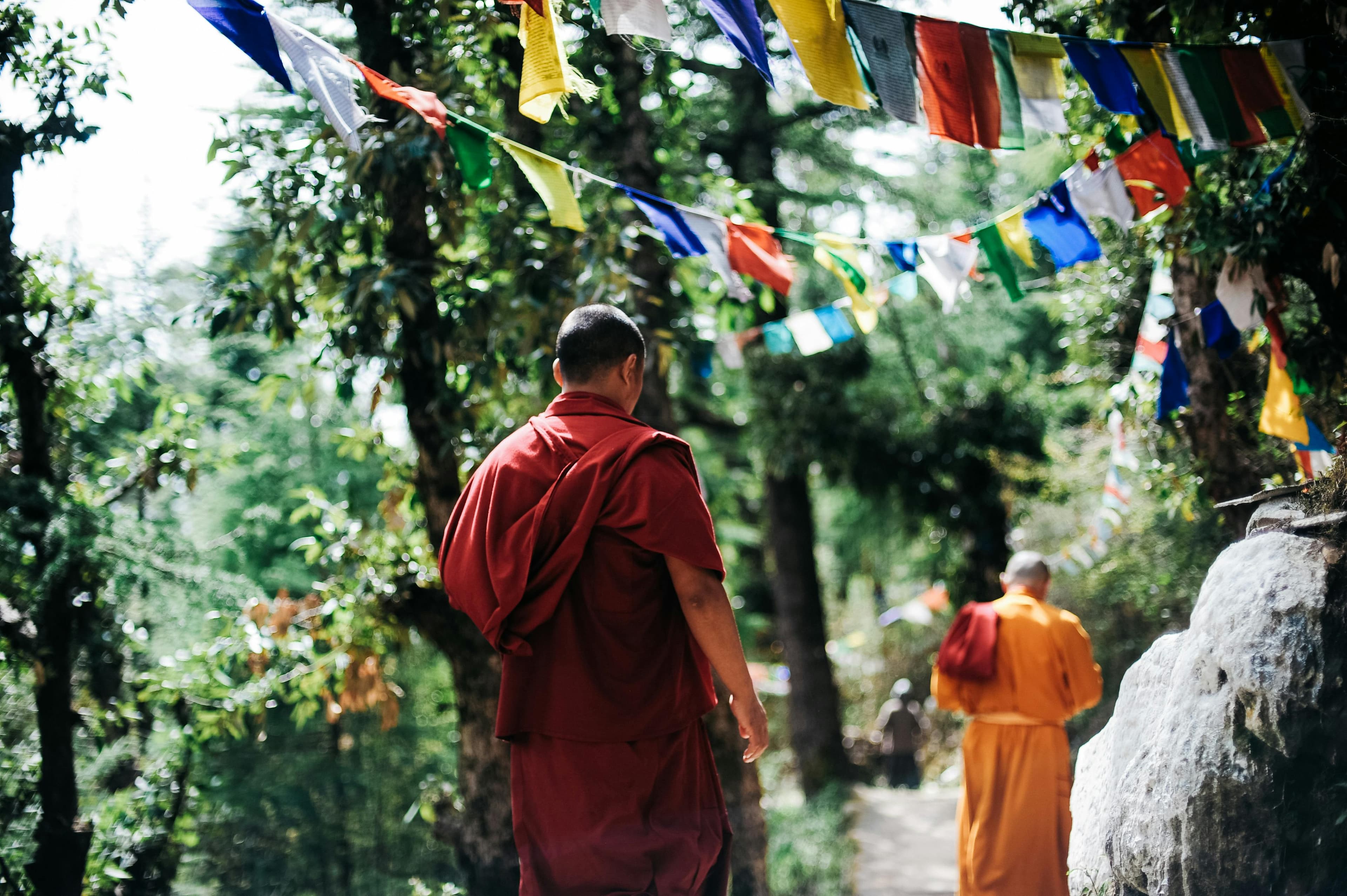
Nepal is constitutionally a secular state since 2008 but remains deeply religious in practice. Hinduism and Buddhism coexist throughout the country -- many Nepalis observe both traditions without contradiction. Temple etiquette: remove shoes at all temple entrances. Circle stupas and mani walls clockwise (keeping them on your right). Never touch religious statues, butter lamps, or offering items unless invited. Photography inside shrines is typically prohibited. Cows are sacred in Hindu tradition -- do not touch, prod, or mock cattle in public. They have legal protection in Nepal.
Eating and Hospitality
Nepali homes and traditional restaurants seat guests with care. If invited to a Nepali home: remove shoes at the door. Eat with your right hand (the left is considered unclean). Accept the first serving with gratitude; a second serving is offered as hospitality -- accepting it pleases your host. Do not waste food. Eating food from another person's plate is considered ritually impure (jutho) in traditional Nepali practice -- do not reach over to someone else's plate.
Planning this trip? 🎒
Don't stress about transport or guides. Sajilo offers verified cabs, luxury tourist buses, and expert guides across Nepal.
Festivals
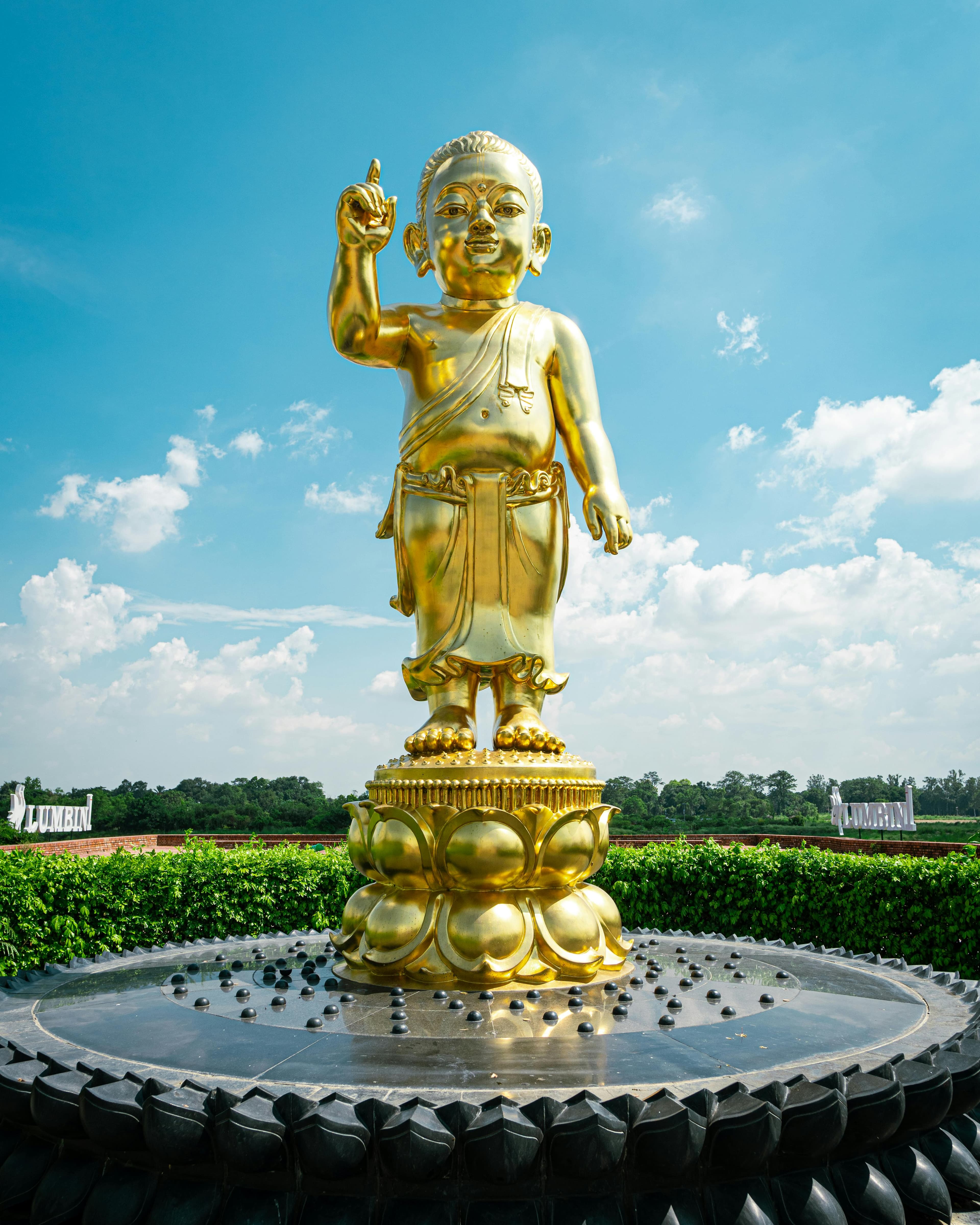
Nepal's festival calendar is extraordinarily rich. Dashain (October) is the most important Hindu festival -- businesses close, families gather, elders give tika blessings. Tihar (November, the festival of lights) transforms Kathmandu into a city of marigold garlands and oil lamps. Buddha Purnima (May full moon) brings thousands of pilgrims to Lumbini and Boudhanath. Losar (Tibetan New Year, February) is celebrated with great energy in Sherpa and Tibetan communities around Boudhanath and in Mustang. Attending a festival as a respectful observer is one of Nepal's greatest travel privileges.
Gender and Social Norms
Public displays of affection between couples are unusual in traditional communities -- hold hands if you like but keep it modest. Same-sex relationships have legal recognition in Nepal since 2023, though public displays in conservative areas may attract stares. Women travelling solo should expect curiosity and occasional awkward questions -- Nepali communities are genuinely curious rather than threatening in most cases.
FAQ
Is it rude to refuse food or drink offered by a Nepali host? Politely declining once is acceptable -- saying you are full or have a dietary restriction is understood. Refusing repeatedly after insistence can feel discourteous. Accepting tea and taking a small sip is the path of least awkwardness.
How should I behave during a religious procession? Step to the side and let processions pass. Do not walk through a religious procession. Photography is usually fine from the sidelines but check reactions and be prepared to put the camera away if requested.
Are there caste sensitivities I should be aware of? Nepal's caste system, though legally abolished, remains socially relevant in some communities. Follow your local host's lead in any situations involving food sharing or household access in traditional villages.