
Travel Tips
Nepal Cultural Etiquette Guide
Understanding Nepal s cultural norms helps you avoid unintentional offence and connect more meaningfully with local communities.
Overview
Nepal is a deeply religious and culturally rich country where Hindu and Buddhist traditions intertwine. Showing respect for local customs enhances your experience and builds goodwill with the communities you visit.
Most cultural faux pas by tourists are unintentional, but a little awareness goes a long way. Nepali people are generally forgiving and will not openly scold a tourist for cultural missteps, but respect is always appreciated.
Key Tips
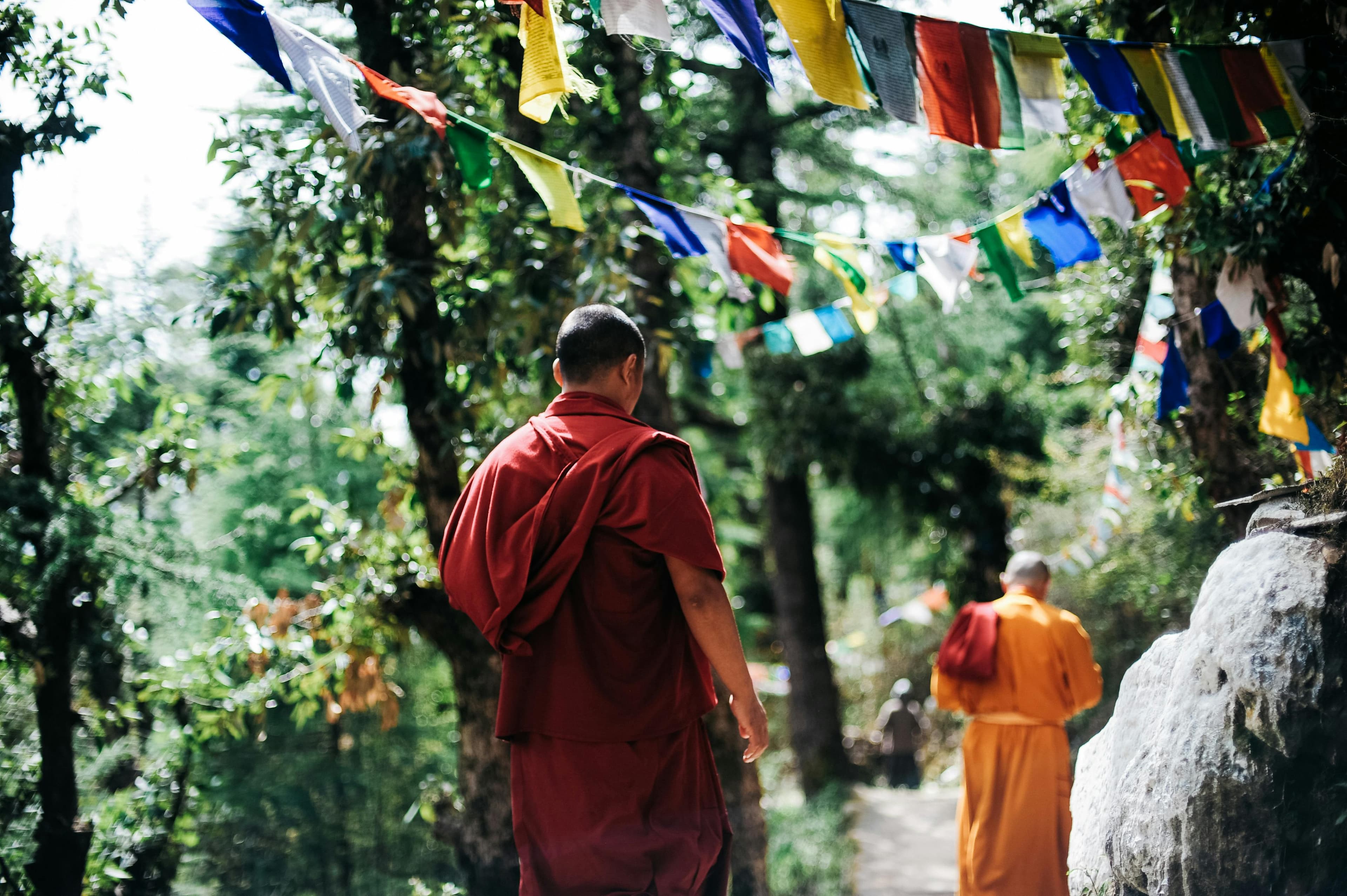
Always remove your shoes before entering temples, monasteries, and many private homes. Look for a pile of shoes outside — that is your cue. Walk clockwise around stupas, chortens, and mani walls (sacred stone markers).
Avoid pointing your feet at people, sacred images, or altars — feet are considered the lowest and most impure part of the body in Nepali culture. Sit cross-legged rather than extending feet toward others.
Planning this trip? 🎒
Don't stress about transport or guides. Sajilo offers verified cabs, luxury tourist buses, and expert guides across Nepal.
Ask permission before photographing people, especially during religious ceremonies. Donate a small amount to temple funds when visiting sacred sites. Sajilo drivers can share local insights about cultural norms as you travel around the city.
FAQ
Is it rude to refuse food or drink offered by a Nepali host?
Politely refusing once is acceptable, but persistently refusing can seem rude. Accept at least a token amount to show respect for the gesture. Saying "ali ali" (a little) is a polite way to accept a small amount.
Can I enter all temples in Nepal?
Hindus-only temples like Pashupatinath restrict non-Hindus from entering the inner sanctum. Many others welcome all visitors. Look for signs or ask at the entrance.
What is the significance of Namaste?
Namaste is both a greeting and an expression of respect — the gesture of pressed palms acknowledges the divine in the other person. It is appropriate in almost any social context in Nepal.