Travel Tips
Nepal Peak Season Crowds: What to Expect and How to Manage Them
October is Nepal's busiest month. Here's an honest look at how crowded it gets on popular routes, and practical strategies for having a better experience than the average tourist.
Overview
Nepal receives the vast majority of its annual trekking visitors in two windows: October–November and March–April. October is the single busiest month of the year. On the Everest Base Camp trail and Annapurna Circuit, this means competition for lodge rooms, crowded teahouse dining rooms, and trail sections where you are rarely alone. For many travelers, this is perfectly fine. For those who came to Nepal seeking solitude, it requires strategy.
How Crowded Does It Actually Get?
The Lukla-to-EBC corridor in October handles over 30,000 trekkers per year, concentrated in a roughly six-week window. Namche Bazaar on a Friday or Saturday night in mid-October can feel like a busy mountain town anywhere in the world, with multiple lodges completely full and restaurants serving groups of 40+.
The Annapurna Circuit sees heavy traffic from Besisahar to Manang in October, with Thorong Phedi lodges requiring advance booking. Ghorepani-Poon Hill near Pokhara is popular on weekends with both domestic and international visitors year-round.
Less-traveled routes like Kanchenjunga, Dolpo, Api-Saipal, and Manaslu see a fraction of the EBC-Annapurna traffic even in peak season.
Planning this trip? 🎒
Don't stress about transport or guides. Sajilo offers verified cabs, luxury tourist buses, and expert guides across Nepal.
Strategies for a Better Peak Season Experience
Start earlier each day. The EBC trail from Namche to Dingboche is significantly less crowded before 7 am. Starting at 5–6 am means you reach viewpoints, lodges, and passes before the main wave of trekkers. This also works at Kala Patthar — the sunrise crowd arrives by helicopter and on foot between 5–7 am; arriving at 4:30 am puts you ahead of it.
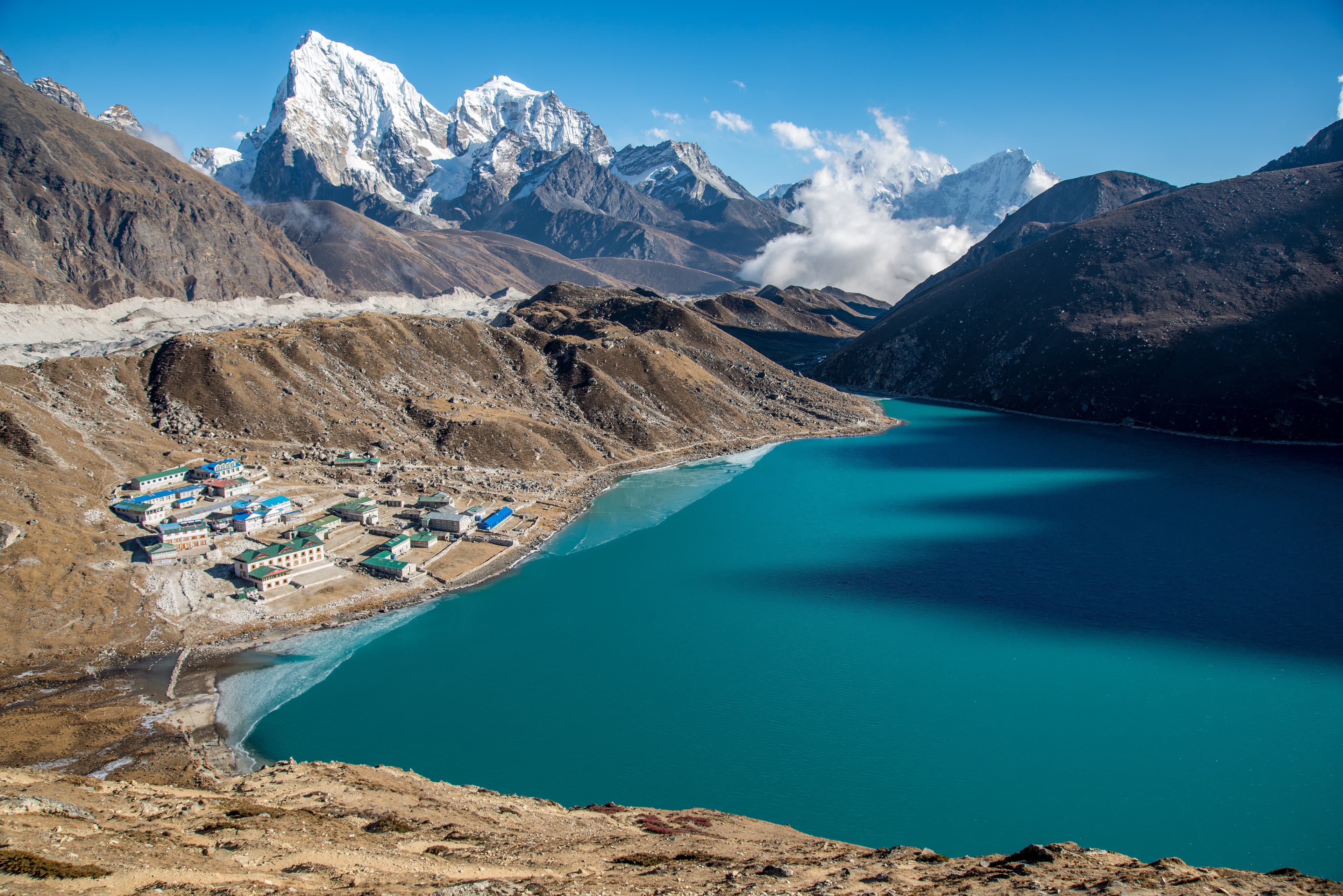
Choose less popular routes. The Everest region has multiple trails. The Three Passes route (Kongma La, Cho La, Renjo La) adds challenge and takes you through Gokyo Lakes, which are spectacular and far less crowded than the main Base Camp trail. Manaslu Circuit is an increasingly popular alternative to Annapurna Circuit but still handles a fraction of the traffic.
Book accommodation in advance. Popular lodges on the EBC trail (Namche, Dingboche, Lobuche, Gorak Shep) sell out for October dates two to four months in advance. Booking ahead is non-negotiable if you want a private room at popular stops.
Consider November. The first two weeks of November offer excellent conditions — clear skies, stable weather — with noticeably fewer trekkers than October. Prices remain high but availability improves after the October peak drops off.
Use Sajilo for Kathmandu transfers. Between the airport, Thamel hotels, and bus stations, peak-season Kathmandu traffic is genuinely difficult. Having a reliable transfer booked in advance removes one stress from an already busy arrival.
FAQ
Q: Is the Everest Base Camp trail safe with so many people?
Crowds do not create safety hazards in themselves on this route. The concern is that busy trails can create a false sense of security — seeing many others does not mean the mountain is forgiving. Altitude sickness strikes regardless of crowd density. Never adjust your acclimatization schedule because others around you seem fine.
Q: What is the actual permit cost for EBC in peak season?
The Sagarmatha National Park permit costs NPR 3,000 (approximately USD 22). The Khumbu Pasang Lhamu Rural Municipality fee is NPR 2,000. TIMS (Trekkers' Information Management System) card costs USD 10 for organized groups or USD 20 for independent trekkers. These fees are the same year-round.