Travel Tips
Nepal Climate Change and Trekking Seasons: What Is Changing
Climate change is shifting Nepal's weather patterns. Trekkers, mountaineers, and adventure travelers need to understand how the seasons are changing and what it means for route planning.
Overview
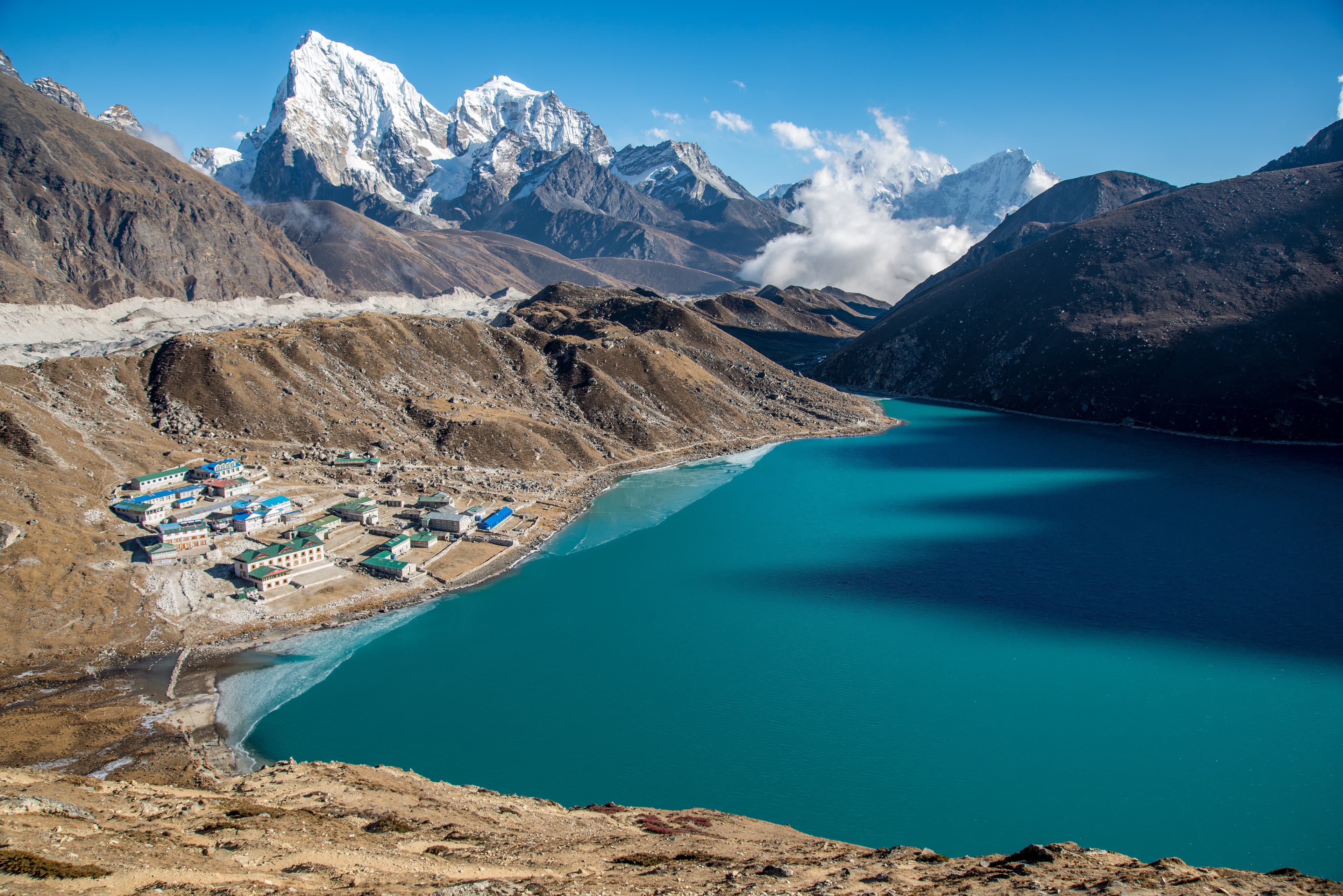
Nepal sits at a climate change frontline. The country's topography — ranging from 60 m above sea level in the Terai to 8,849 m at Everest's summit within a horizontal distance of under 200 km — makes it acutely sensitive to atmospheric temperature changes. Scientists, mountain guides, and long-term Nepal observers have documented measurable shifts in glacier dynamics, monsoon patterns, and seasonal temperature timing over recent decades. For trekkers and travelers, these changes are not abstract — they have practical effects on route safety, pass accessibility, and season timing.
Glacial Changes
Nepal's Himalayas hold approximately 3,800 glaciers, representing one of the largest freshwater reserves outside the polar regions. These glaciers are retreating. The International Centre for Integrated Mountain Development (ICIMOD) in Kathmandu has documented average glacier mass loss rates accelerating since the 1970s, with a sharp acceleration from 2000 onward.
Practical effects for trekkers:
- Glacier recession means iconic features like the Khumbu Glacier terminus at Everest Base Camp and the Gangapurna Glacier above Manang have visibly retreated from positions photographed 30–40 years ago.
- Glacial Lake Outburst Floods (GLOFs): As glaciers melt, they form proglacial lakes held by unstable moraine dams. GLOF events — when these dams burst — release catastrophic flood surges. The Khumbu, Langtang, and Marsyangdi river systems are all documented GLOF risk areas. ICIMOD maintains active GLOF monitoring and early warning systems.
- Trail changes: Routes across glaciers change as ice retreats. The Khumbu Icefall, the only route from Everest Base Camp to Camp I, requires annual re-fixing of ropes and ladders as the glacier moves and the ice seracs shift.
Shifting Monsoon Patterns
Nepal's monsoon has historically been one of the most reliable seasonal patterns in Asia. Recent decades have shown increasing variability:
Planning this trip? 🎒
Don't stress about transport or guides. Sajilo offers verified cabs, luxury tourist buses, and expert guides across Nepal.
- Delayed onset and withdrawal: The monsoon has shown a tendency toward later onset in some years (arriving in early July rather than early June) and either extended withdrawal (stretching past mid-October) or abrupt early retreat.
- Increased rainfall intensity: Total monsoon rainfall volumes have not declined dramatically, but the distribution is shifting toward more intense concentrated rainfall events and drier periods between them. This increases flash flood and landslide risk compared to steady moderate rainfall.
- Out-of-season precipitation: Unusual rainfall in autumn (October, November) and spring (April, May) has increased. Trekkers in October have encountered monsoon-like weather events that were historically rare in the post-monsoon window.
Temperature Trends
Nepal's mountain regions are warming faster than the global average. Mean annual temperatures in the high Himalayas are rising at roughly twice the global rate. Specific effects:
- Snow line elevation rising: The altitude at which rain turns to snow has risen, reducing snow coverage in lower alpine zones and changing the appearance of famous peaks.
- Earlier spring snowmelt: High passes are becoming accessible slightly earlier in spring than historical data suggested. However, this is offset by increasingly unpredictable spring snowstorm events.
- Warmer nights at altitude: Nighttime temperatures at high-altitude lodges in October are warmer than they were two decades ago. This marginally improves trekker comfort but indicates a fundamental climate shift.
What This Means for Travelers
Be flexible with seasonal planning. Historical seasonal patterns are still broadly useful but should be treated as guides rather than certainties. A "guaranteed clear October" is less guaranteed than it was 20 years ago.
Build buffer time. GLOF risk, unusual weather events, and landslide frequency have all increased. Building 2–3 extra days into trekking itineraries above what you think you need is sound risk management.
Use current local information. The most accurate weather and trail condition information comes from local guides, lodge owners, and trekking agencies with real-time trail contacts — not seasonal calendars from any website or guidebook.
Consider carbon impact. Nepal's mountain ecosystems are among the most affected by climate change globally. Choosing lower-carbon ways to reach Nepal (train from India rather than short-haul flights, staying longer to justify the trip's carbon cost) is one contribution travelers can make.
FAQ
Q: Are Everest expeditions becoming more dangerous due to climate change?
The IPCC and mountaineering researchers have documented increased serac instability and Icefall movement on Everest. The Khumbu Icefall — the most dangerous section of the standard South Col route — requires earlier and later passage each season as temperatures warm and ice becomes less stable during daylight hours.
Q: Where can I find current research on Nepal climate change?
ICIMOD (icimod.org) publishes ongoing research on Hindu Kush Himalaya climate dynamics. The Himalayan Climate Change Adaptation Programme and several Nepal-based universities produce annual reports available publicly. The Nepal Department of Hydrology and Meteorology publishes climate trend data at dhm.gov.np.