Travel Tips
Nepal Camera and Photography Rules
Nepal is incredibly photogenic but some sites and situations have photography restrictions. Here is what you need to know before pointing your camera.
Overview
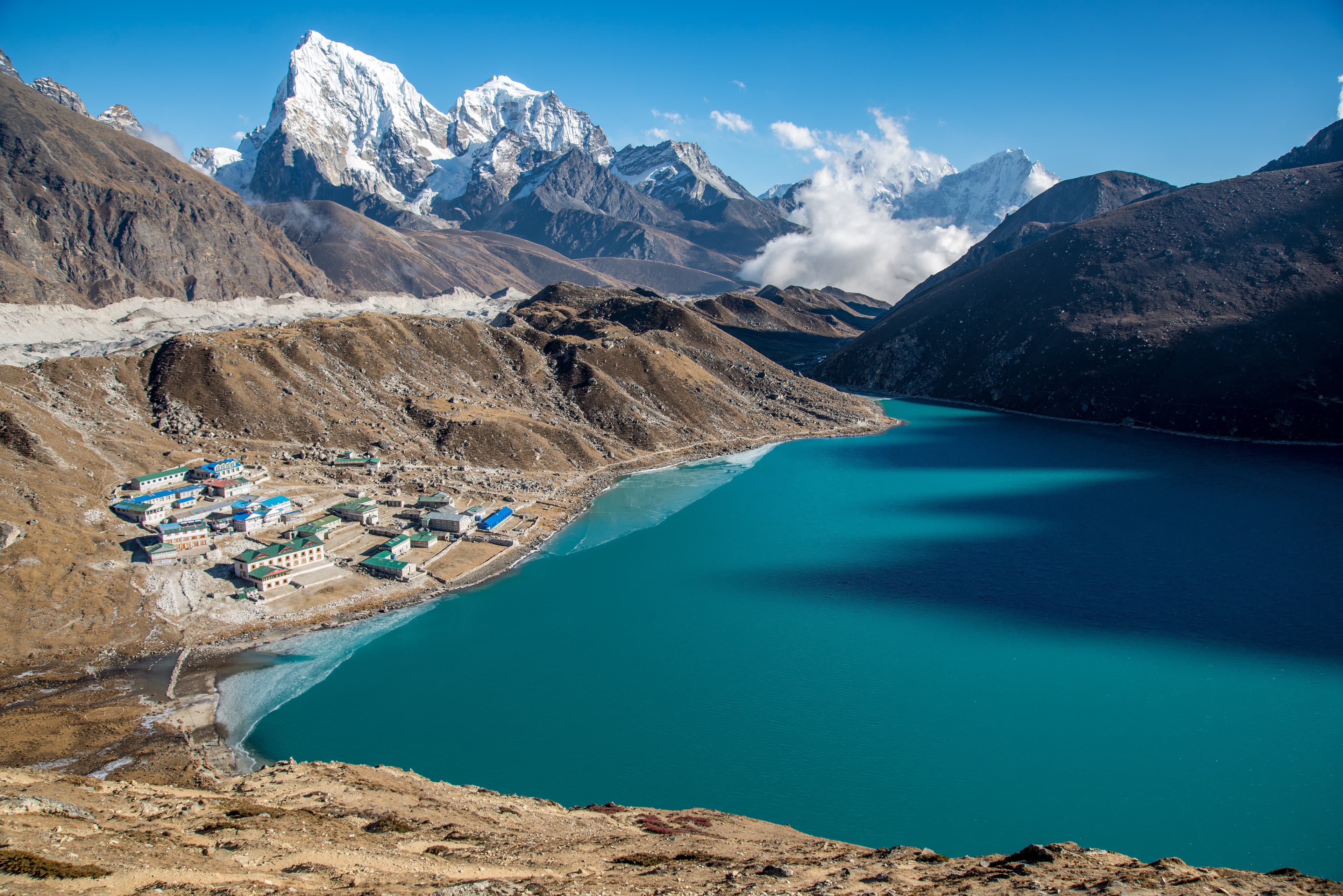
Nepal is a photographer s paradise — from mountain panoramas to colourful festivals and ancient temples. However, not all subjects and sites welcome cameras. Understanding where photography is restricted and when to ask permission is part of responsible travel in Nepal.
Most sites in Nepal do not charge a camera fee separately from the entry ticket, but some temple complexes do. Always check at the entrance.
Key Tips
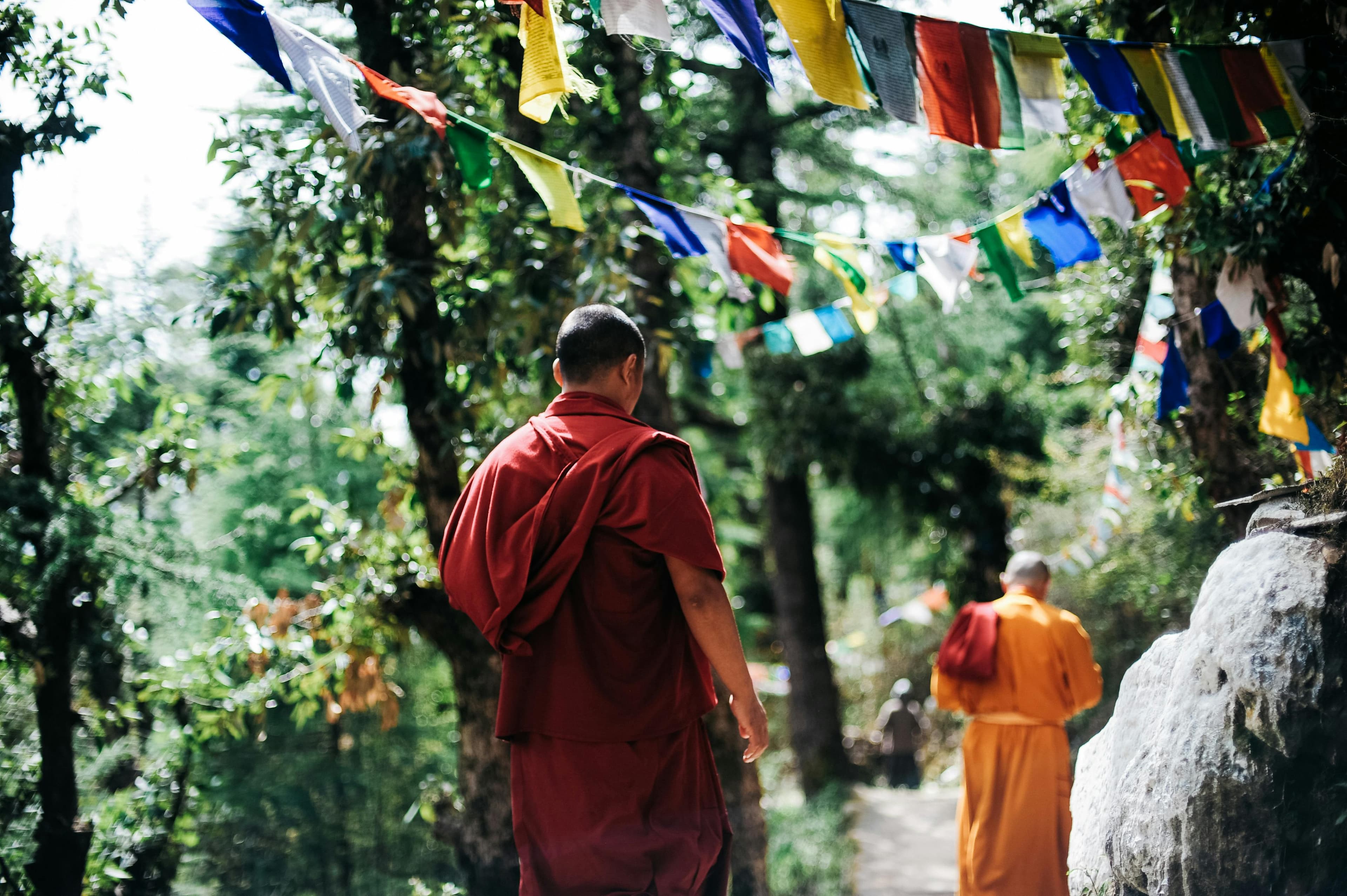
Always ask before photographing people, especially during religious ceremonies, in rural villages, or when photographing minorities and indigenous groups. A smile and a gesture toward your camera, followed by waiting for a nod, is the universal way to ask.
The inner sanctums of Hindu temples (including Pashupatinath) are strictly no-photography zones. Some Buddhist monasteries also restrict photography inside the prayer hall. Look for signs and follow the guidance of the resident monks or priests.
Planning this trip? 🎒
Don't stress about transport or guides. Sajilo offers verified cabs, luxury tourist buses, and expert guides across Nepal.
Government buildings, military installations, and airport interiors have photography restrictions. Photographing these can result in your camera being confiscated and possibly a fine.
FAQ
Can I photograph the Pashupatinath cremation ghats?
Yes — the cremation areas along the Bagmati River at Pashupatinath are visible from the opposite bank and photography is permitted from there. Do not photograph grieving families up close or use a long zoom intrusively during funerals.
Are there camera fees at Nepal heritage sites?
Some sites in the Kathmandu valley charge a separate camera fee, though this has become less common. Bhaktapur Durbar Square entry fees cover photography. Ask at ticket booths.
What photography equipment do I need for Nepal trekking?
A weather-sealed mirrorless camera or DSLR with a wide-angle lens for landscapes and a telephoto for mountain details covers most situations. A smartphone with a good camera works well in lower elevations. Carry a dry bag or rain cover for gear during monsoon.