Travel Tips
Meditation Retreats Nepal Guide
From silent forest hermitages to ornate monastery guesthouses, Nepal offers meditation retreats at every level of intensity. This guide helps you find the right match for your practice and temperament.
The Meditation Landscape in Nepal
Nepal's meditation retreats fall broadly into three traditions: Hindu-rooted practices (mantra, japa, trataka, nada yoga), Theravada Buddhist practices (Vipassana, Metta, Anapanasati), and Tibetan Buddhist practices (Shamatha, Tonglen, Dzogchen, deity visualisation). Each has its own institutional infrastructure, teacher lineages, and cultural context. Understanding which tradition resonates with you is the most important first decision.
Beyond tradition, retreats differ dramatically in structure. Some are fully guided with daily instruction, group sits, and teacher interviews. Others are self-directed, providing a silent room and three meals a day while you follow your own programme. A third category — the most intensive — is completely silent with strictly timed schedules.
Guided Meditation Retreats
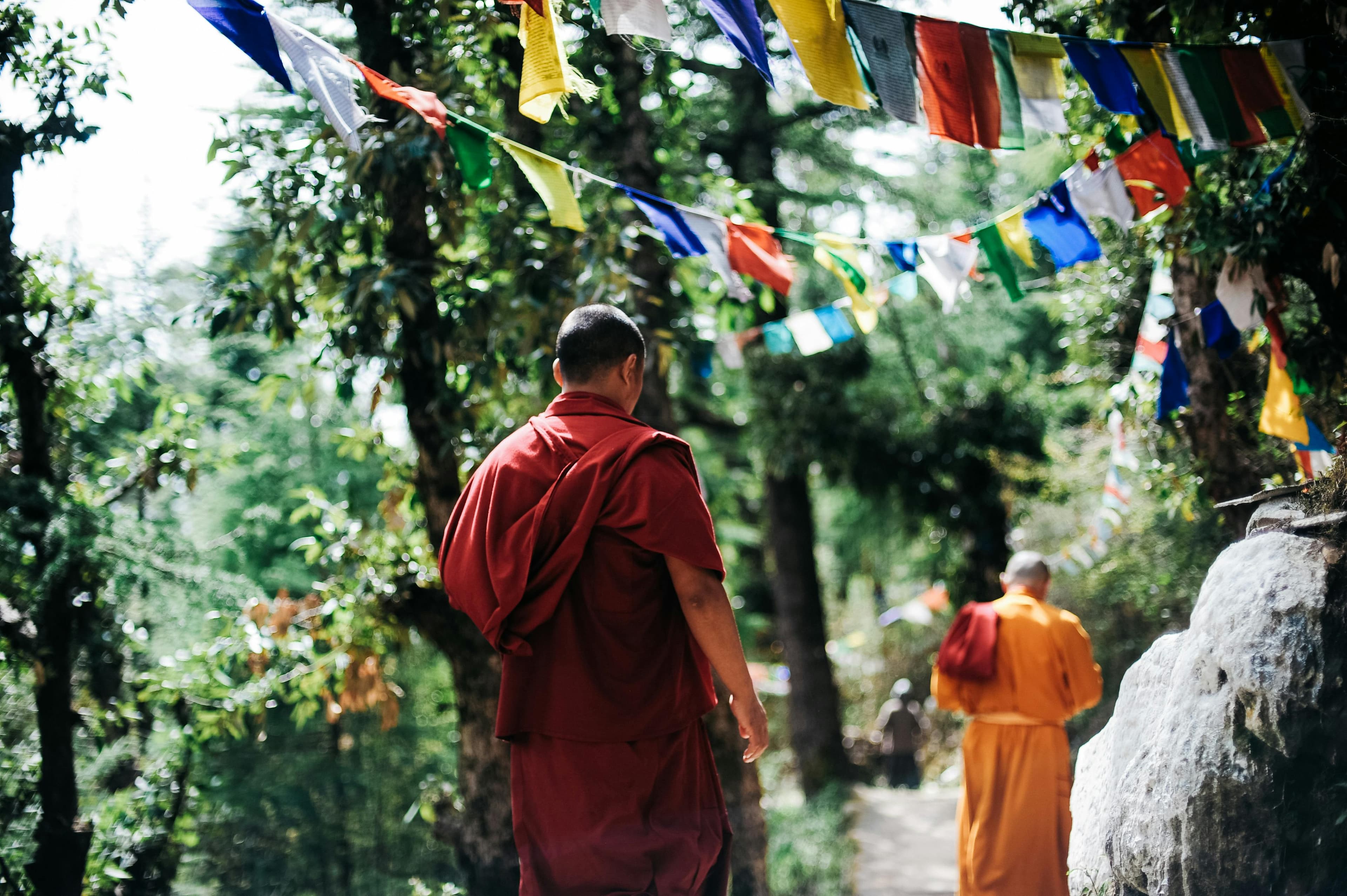
Guided retreats suit beginners and those who benefit from external structure. Expect morning and evening group meditation sessions of thirty to ninety minutes each, dharma talks or teaching periods, and optional private meetings with the teacher. The social component — shared meals, walking meditation, gentle group activities — is deliberately included to balance sitting practice with embodied presence.
Many guided retreats in Kathmandu and Pokhara last five to seven days and are structured around a specific theme: compassion cultivation, mindfulness of breathing, or body scan practices. International teachers frequently lead retreats at established centres, particularly in October, November, and April.
Planning this trip? 🎒
Don't stress about transport or guides. Sajilo offers verified cabs, luxury tourist buses, and expert guides across Nepal.
Self-Directed and Hermitage Retreats
Experienced meditators sometimes prefer a room, silence, and meals without a structured programme. Several monasteries and forest hermitages — particularly in the Kathmandu Valley hills and in the Pharping area south of the city — can accommodate solo meditators for periods of one to four weeks. Facilities are typically simple: a meditation room or cave, a small bedroom, and communal vegetarian meals.
Pharping, a forty-five-minute drive from Kathmandu, is particularly significant. The area contains caves associated with Guru Rinpoche (Padmasambhava) and has been a retreat site for Tibetan teachers for centuries. Nunneries and small retreat houses here occasionally accept serious practitioners.
How to Choose
Ask yourself three questions. First, how much experience do you have? Complete beginners should begin with guided retreats offering regular teacher access. Second, how much silence can you sustain comfortably? A five-day guided retreat is very different from a ten-day silent Vipassana. Third, which tradition interests you? Sit in a local class or read foundational texts before committing to an intensive.
Practical Considerations
Nepal's retreats range from completely free (dana-based, where participants contribute what they can) to moderately priced packages — contact individual centres directly for current rates. Monsoon months (June-August) see fewer visitors and some centres offer informal self-directed stays at reduced rates during this period.
Bring layered clothing — meditation halls are often cool, even in summer. Loose, comfortable trousers and a warm shawl are essential. Power cuts occur regularly outside Kathmandu; a head torch and a small battery bank are practical additions to your packing list.
FAQ
Q: Can I drop into a meditation centre without pre-booking?
A: Some centres in Boudhanath and Swayambhunath accept walk-in visitors for daily sitting groups. For residential retreats, advance booking is always required.
Q: Is vegetarian food provided?
A: Almost universally yes. Nepal's retreat centres follow sattvic or Buddhist dietary guidelines. Inform the centre of allergies or specific requirements at booking.
Q: What if I find the silence too difficult?
A: This is common and not a failure. Good retreat teachers build in mechanisms for students to speak with them privately. Use that access early rather than struggling alone.