Travel Tips
Meditation and Adventure in Nepal: Finding Stillness on the Trail
Combining formal meditation practice with Himalayan adventure creates a depth of travel experience rarely found elsewhere.
Overview
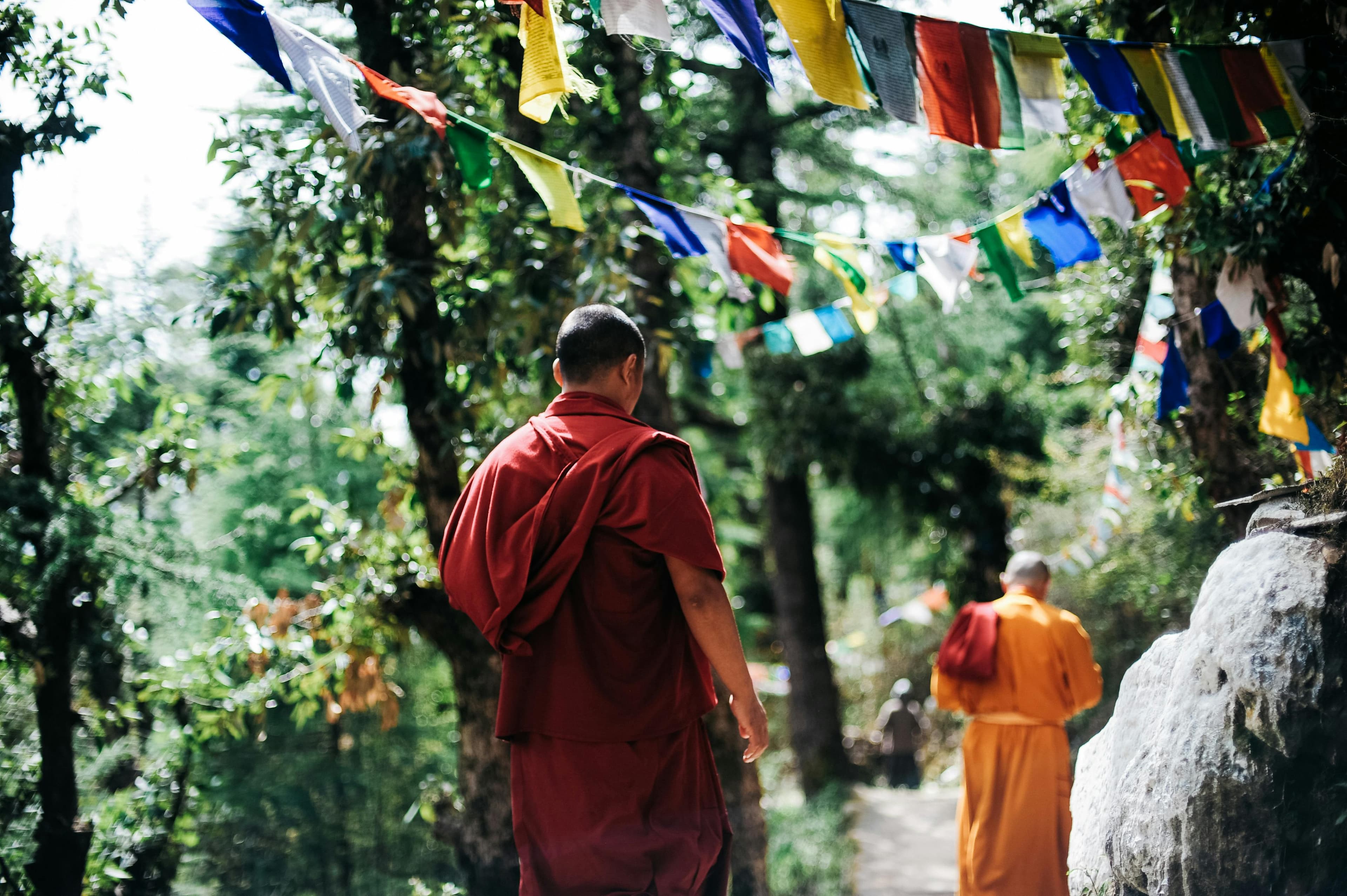
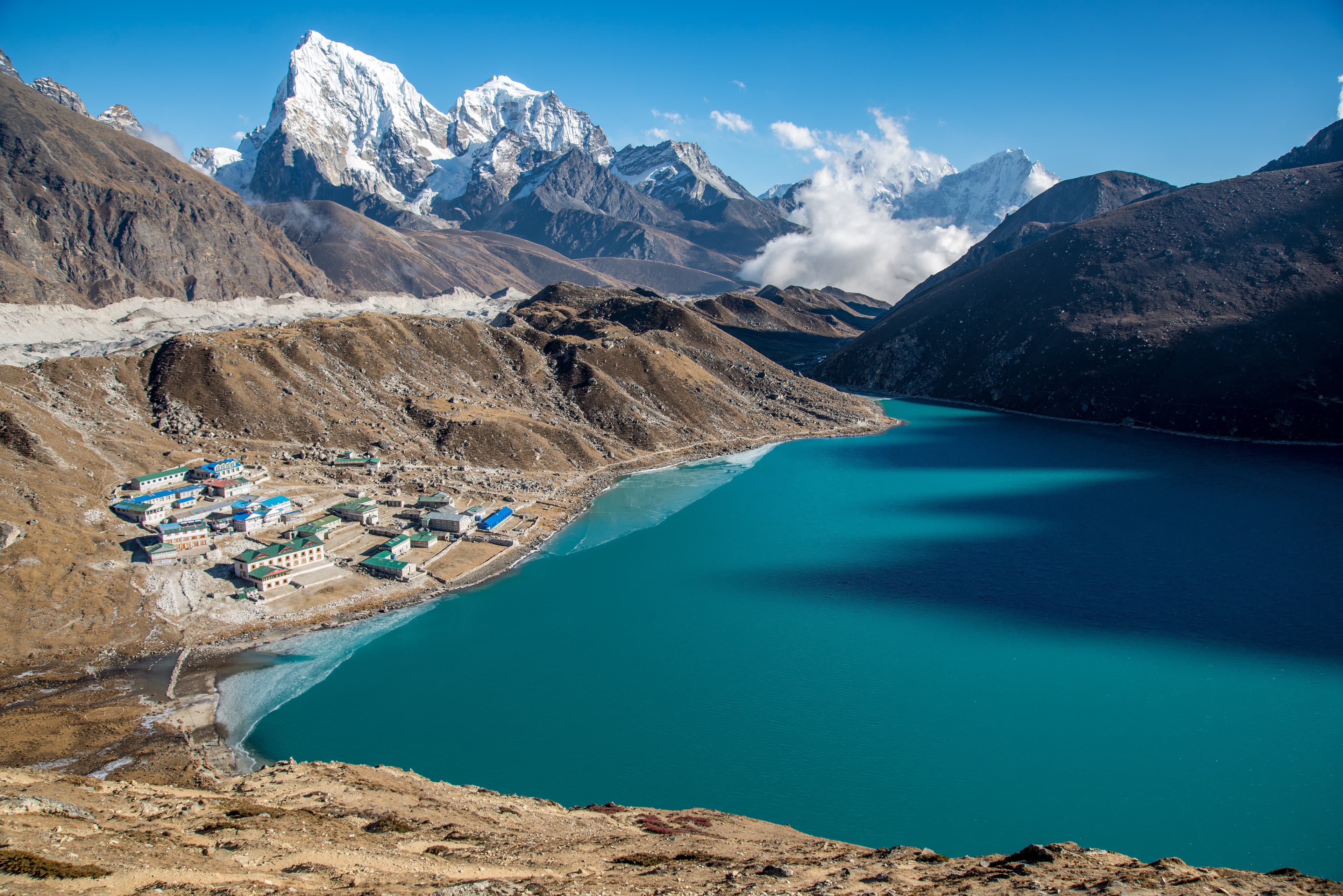
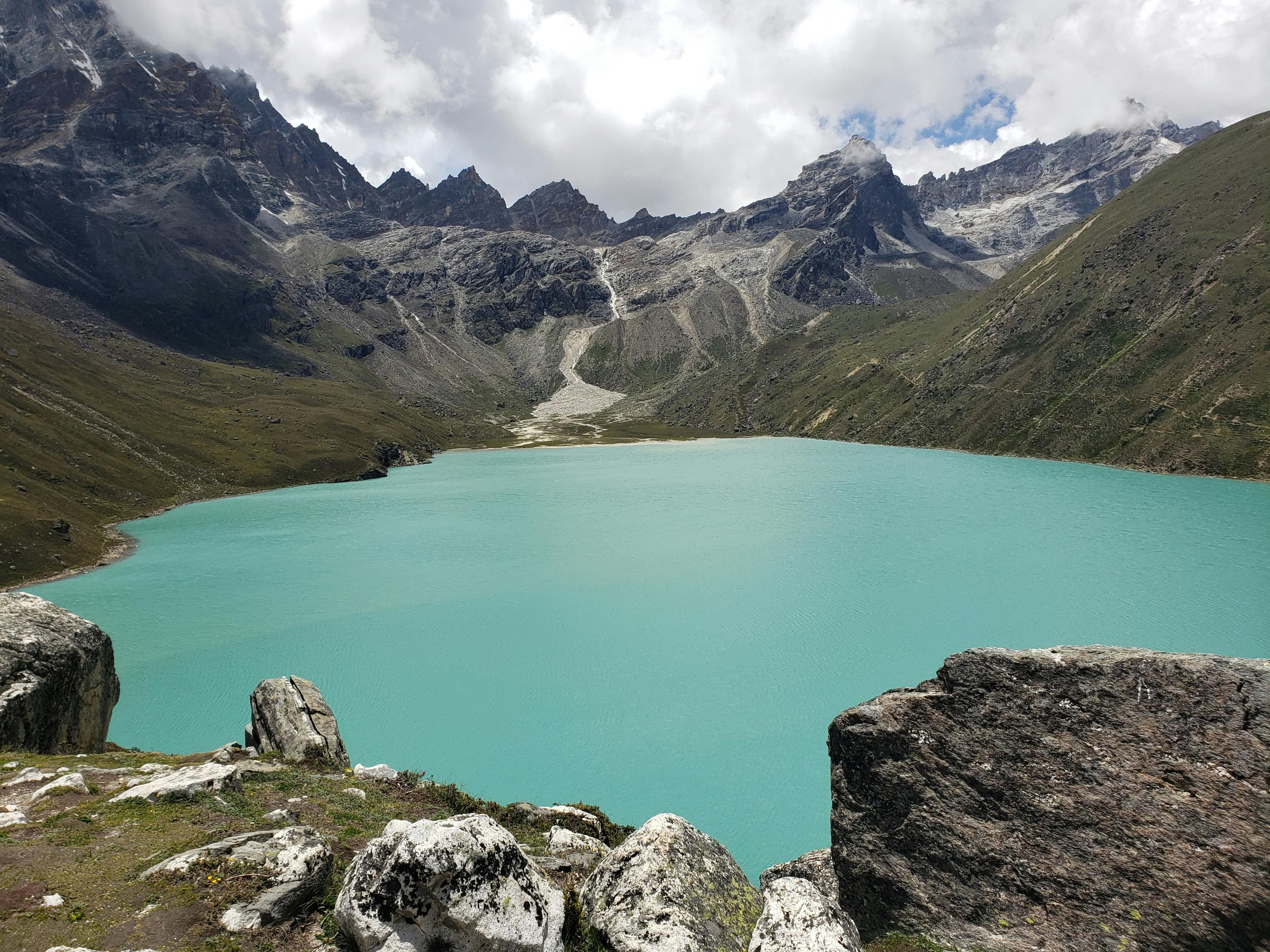
Nepal sits at the headwaters of two of humanity's great transformative traditions — mountaineering and Buddhist contemplative practice. Combining the two in a single trip is not a new idea; it is arguably the original reason Westerners came to Nepal in the first place. Modern meditation-and-adventure programmes formalise this combination. A typical 10-day programme might spend 4 days at a monastery in the Kathmandu Valley learning Vipassana or Tibetan Lojong practices under a qualified teacher, then transition to 6 days of trekking at moderate altitude where morning and evening sits are integrated into the trail schedule. The high altitude environment — thinner air, intense cold, dramatic sky — amplifies meditative states in ways that flat-land retreats rarely achieve. The silence above 4,000 metres between gusts of wind is qualitatively different from any urban retreat environment. Several dharma centres in Boudhanath, Kopan Monastery, and the Shechen Tennyi Dargyeling nunnery run both residential meditation programmes and customised combination retreats. Costs vary widely from donation-based residencies at monasteries to USD 150 to USD 200 per day for fully guided private programmes.
FAQ
Q: Do I need to be Buddhist to join a meditation retreat in Nepal?
No. Most Nepal meditation centres welcome people of any belief background. The practices taught are largely secular in framing at beginner and intermediate levels — you are learning attention and awareness skills, not adopting a religion.
Q: How do I integrate meditation into a solo trek?
Planning this trip? 🎒
Don't stress about transport or guides. Sajilo offers verified cabs, luxury tourist buses, and expert guides across Nepal.
Sit for 20 minutes at the start and end of each walking day. Use the walking itself as a meditative practice by focusing on breath rhythm and foot sensation. Silence before breakfast preserves the morning clarity before the day's logistics crowd in.