Travel Tips
Lumbini for Families: The Birthplace of the Buddha
Lumbini offers families a serene, educational journey to the birthplace of the Buddha. A complete guide to visiting this UNESCO World Heritage Site with children.
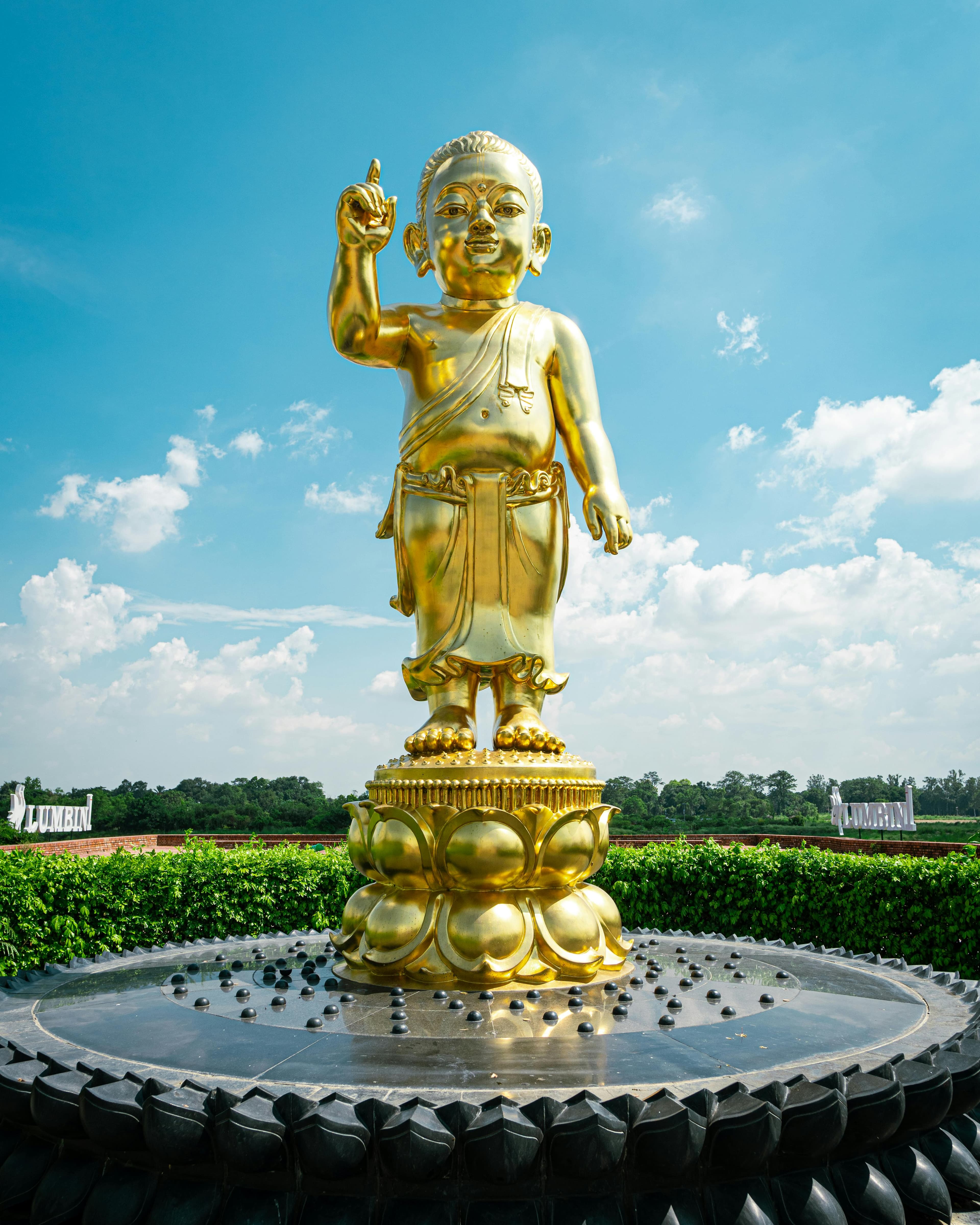
Lumbini, situated in the Terai plains of southern Nepal, is the birthplace of Siddhartha Gautama -- the historical Buddha. The site is one of the most significant pilgrimage destinations in the world and a UNESCO World Heritage Site. For families, it offers a rare combination of genuine historical and spiritual importance delivered in a calm, walkable, beautifully maintained setting that is accessible for children of all ages.
Getting to Lumbini
The nearest airport is Bhairahawa (Gautam Buddha International Airport), approximately 25 kilometers from Lumbini. Domestic flights from Kathmandu take 40 minutes. Buddha Air and Yeti Airlines operate daily connections. From Bhairahawa, taxis and auto-rickshaws reach Lumbini in 30-40 minutes. From Pokhara, the overland journey takes four to five hours by tourist bus.
The Sacred Garden
The heart of Lumbini is the Sacred Garden, which contains the Maya Devi Temple built over the exact location where the Buddha is said to have been born in 623 BCE. Inside the temple, children can see the marker stone that identifies the precise birth spot and the ancient ruins of successive temples built over centuries. The adjacent Ashoka Pillar, erected by Emperor Ashoka in 249 BCE, is one of the oldest inscriptions in South Asia. Seeing a pillar carved over 2,000 years ago makes history tangible for children in a way that textbooks cannot.
The shallow Puskarni pond beside the temple, where Queen Maya Devi is said to have bathed before giving birth, has been restored and is a pleasant spot for children to sit and reflect.
Planning this trip? 🎒
Don't stress about transport or guides. Sajilo offers verified cabs, luxury tourist buses, and expert guides across Nepal.
The Monastery Zone
Spreading outward from the Sacred Garden along a central canal is an extraordinary international monastery zone -- a planned area where Buddhist nations have each built a monastery or temple in their own architectural style. Walking the zone with children is a natural geography and culture lesson.
Key monasteries to visit with children:
- The Myanmar Golden Temple: Ornate Burmese-style architecture with intricate carvings
- The Chinese Monastery: A large, beautifully landscaped complex with colorful murals
- The Thai Temple: White marble construction with a distinctive Siamese-style spire
- The Korean Temple: Elegant and austere, with a peaceful garden
- The German Dhamma Center: Vipassana meditation center in a quiet forest setting
Children find the visual contrast between architectural styles compelling and naturally start asking questions about the countries represented.
Practical Tips for Families
The Sacred Garden and monastery zone are connected by a canal with pedestrian paths and cycling lanes. Renting bicycles (available at the entrance) is an excellent way for families to cover the relatively large area without exhausting young children. The cycle path is flat, paved, and car-free.
Lumbini is hot -- temperatures in May and June can exceed 40 degrees Celsius. October through February is the most comfortable period. Carry water, hats, and sunscreen. The closest ATM is in Bhairahawa town -- carry sufficient cash.
Combining Lumbini With Chitwan
Many families combine a visit to Lumbini with a stay in Chitwan National Park. The two sites are approximately 200 kilometers apart via the Butwal highway -- a three-hour drive. Spending two nights in Lumbini and three nights in Chitwan on a combined seven-day itinerary from Kathmandu creates a well-rounded cultural and wildlife experience for the whole family.