Travel Tips
Learning Culture in Nepal With Kids: Living History in Every Street
Nepal offers unparalleled opportunities for children to learn about culture, religion, and history through direct experience. How to make the most of these encounters.
Few destinations in the world offer children such direct access to living cultural traditions as Nepal. The country's festivals, temples, craftspeople, and daily rituals are not reconstructions or museum displays -- they are the actual life of a civilization that has maintained extraordinary continuity over centuries.
Framing Culture for Children
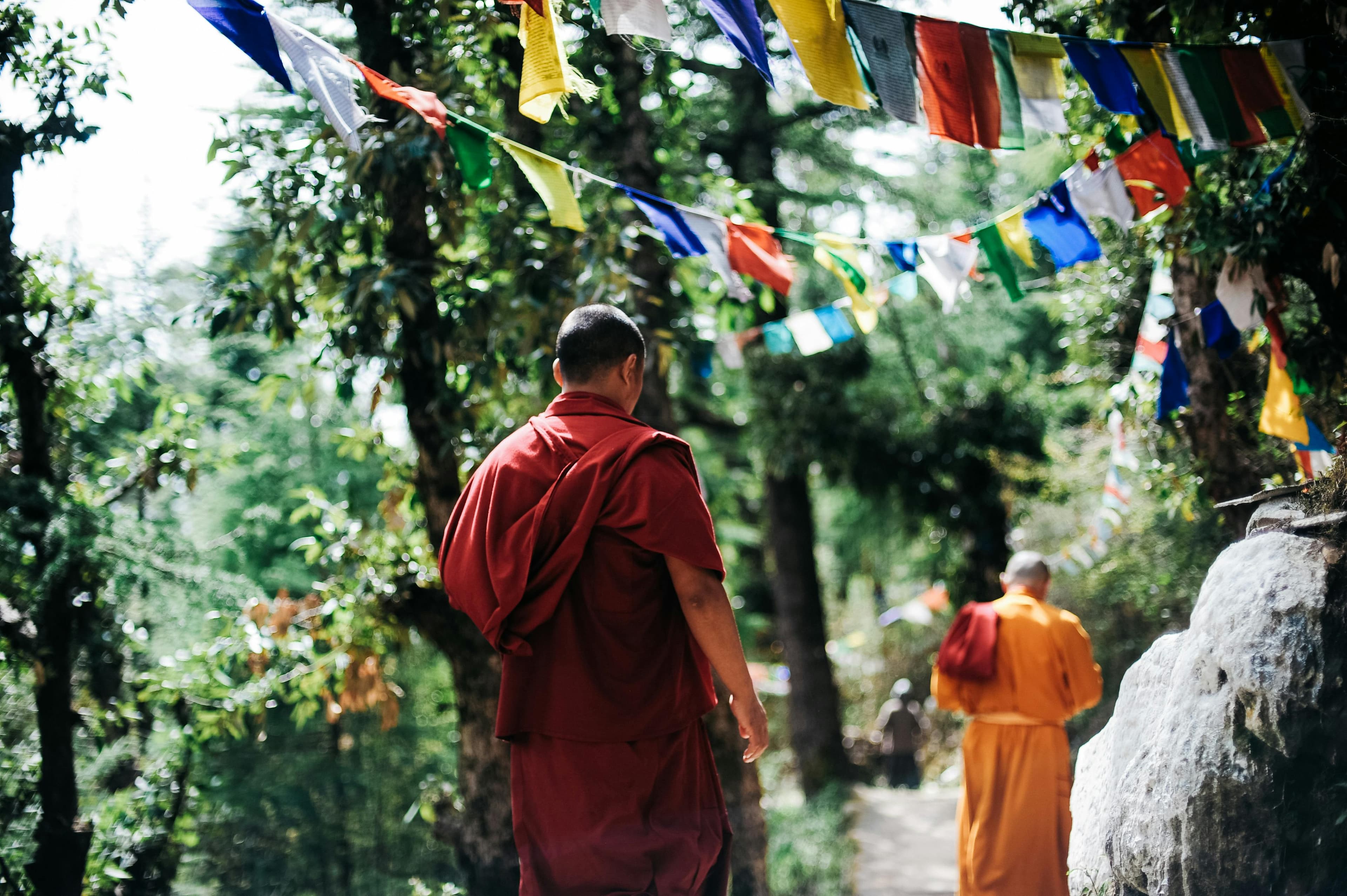
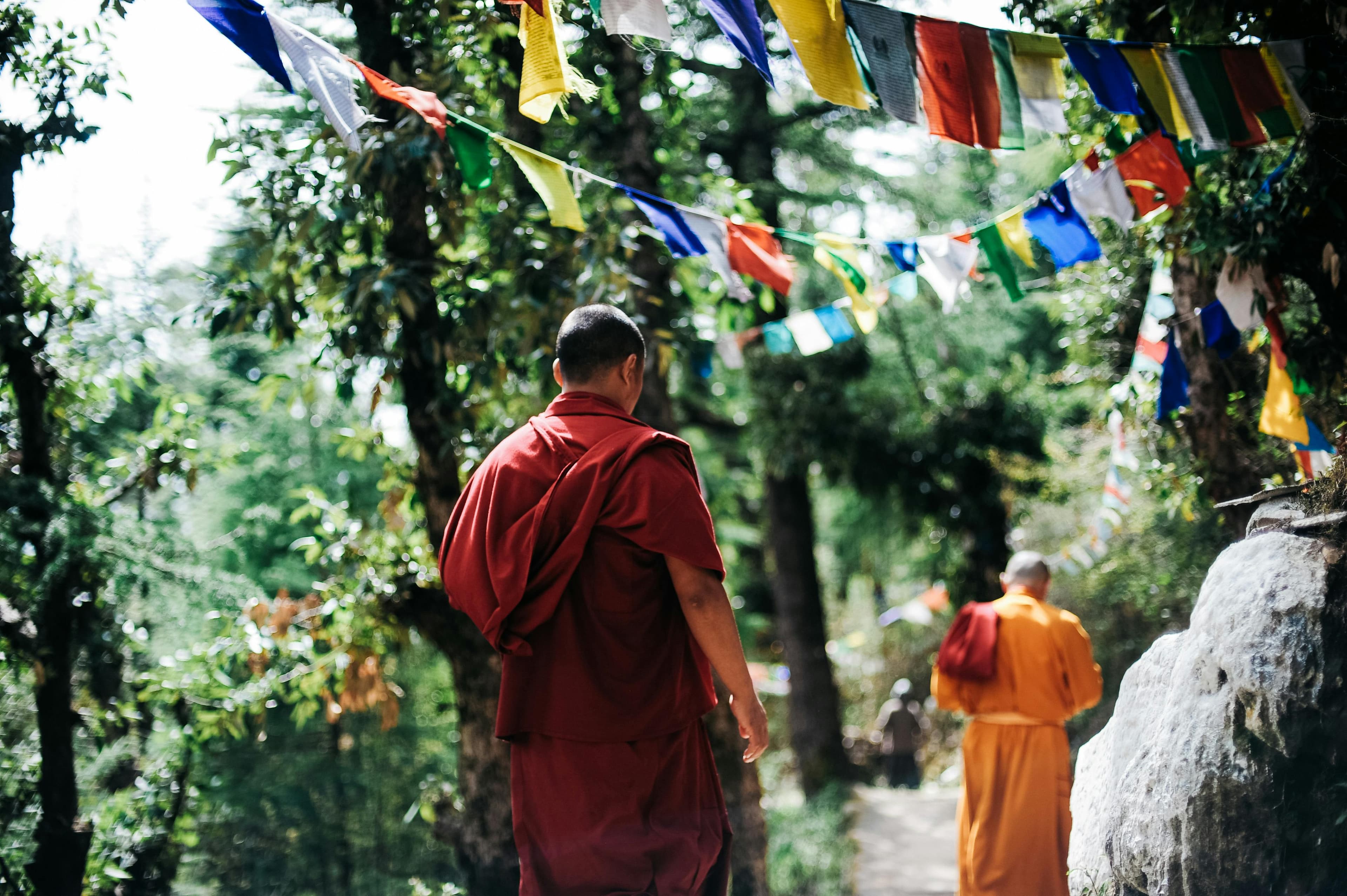
Before visiting a temple or monastery, take five minutes to explain what children are about to see. A child who understands that the prayer wheels spinning at Boudhanath are an act of devotion -- that each rotation is equivalent to reciting a prayer -- will engage very differently with that sight than one who simply sees spinning cylinders. Frame experiences as puzzles: "Why do you think they built the temple on top of that hill?" or "What do you think the different colors of prayer flags mean?"
Key Cultural Learning Experiences
The Durbar Squares
The three Durbar Squares of the Kathmandu Valley -- Kathmandu, Patan, and Bhaktapur -- are UNESCO World Heritage Sites and living examples of Newar civilization. Each square was the center of a medieval city-state. Children can see stone carvings, brass-covered temples, and wooden latticework windows that date back 400-700 years. The Patan Museum inside the old palace has excellent interpretive displays.
Watching Puja (Worship Rituals)
The morning puja (worship ritual) at any major Hindu temple is a sensory education in itself. Devotees bring flower garlands, incense, tikka powder, and rice as offerings. Bells ring, priests chant, and the air fills with incense smoke. Children watching this ritual learn more about living religion in 20 minutes than they would from any textbook.
Planning this trip? 🎒
Don't stress about transport or guides. Sajilo offers verified cabs, luxury tourist buses, and expert guides across Nepal.
Thanka Painting Workshops
Thangka paintings are traditional Tibetan Buddhist religious artworks. Several studios in the Boudhanath area offer workshops where children can try basic brushwork on a prepared canvas under the guidance of a trained artist.
Living Goddess (Kumari)
The Kumari Devi is a pre-pubescent girl considered the living manifestation of the goddess Taleju. She lives in the Kumari Bahal in Kathmandu Durbar Square. On certain days and festival occasions, she appears at the window. The concept generates profound questions from children about religion, childhood, and culture.
Pottery in Bhaktapur
Bhaktapur's Pottery Square is one of the last places in the Kathmandu Valley where traditional Newar pottery is made by hand. Potters sit at wheels in the open square, shaping clay as it has been done here for generations. Most potters welcome children watching closely and some allow brief supervised participation at the wheel.
Newari Festivals
If your visit coincides with a major Newari festival -- Indra Jatra (August-September), Gai Jatra (August), or Bisket Jatra (April) -- the cultural experience is exceptional. Chariot processions, masked dances, and community gatherings bring ancient traditions into vivid present reality.
Teaching Respect
Instruct children on basic temple etiquette before visiting:
- Remove shoes before entering temple interiors
- Walk clockwise around stupas and mani stone walls
- Do not touch sacred images or statues unless invited
- Dress modestly -- shoulders and knees covered in temple areas
- Lower voices inside religious spaces
- Ask permission before photographing people