Travel Tips
Langtang Valley Best Season Guide
Langtang is Nepal's closest major trekking region to Kathmandu. Here's when each season offers the best conditions for this beautiful Himalayan valley.
Overview
Langtang Valley lies roughly 50 km north of Kathmandu, bordering Tibet. The valley is reached via a 7-hour bus ride or a 25-minute drive to the trailhead at Syabru Besi. A standard Langtang trek takes 7–10 days and reaches Kyanjin Gompa at 3,870 m, with optional ascents to Tsergo Ri (4,984 m) for panoramic views. The 2015 earthquake devastated Langtang village and killed over 300 people; the village has since been rebuilt and trekking fully resumed.
Autumn (October–November) — Best Overall
October and November offer the same advantages in Langtang as across all Nepal — post-monsoon clarity, dry trails, and excellent mountain views. The Langtang Himal range (including Langtang Lirung at 7,227 m) is sharply visible above the valley. Kyanjin Gompa, perched in the wide upper valley, receives beautiful golden light on the glacier and surrounding peaks in autumn mornings.
November in Langtang has a particular advantage over busier routes — the valley is significantly less crowded than EBC or Annapurna in any season. You will share the trail and lodges with far fewer trekkers.
Spring (March–May) — Excellent for Flowers
Spring transforms the approach forests between Syabru Besi and Langtang village into a rhododendron display. March and April bring blooms at multiple elevations simultaneously. The valley floor is greening after winter, and the rivers run with snowmelt. Langtang village rebuilt after 2015 sits in an area of recovering vegetation.
Planning this trip? 🎒
Don't stress about transport or guides. Sajilo offers verified cabs, luxury tourist buses, and expert guides across Nepal.
April and May bring some afternoon clouds, but mornings remain clear and the landscapes are lush and colorful.
Monsoon (June–September) — Possible with Caution
Langtang receives moderate monsoon rainfall compared to southern Nepal. The valley walls channel moisture, and cloud fills the lower gorge sections regularly. However, Kyanjin Gompa and the upper valley often see clear mornings even during monsoon months. The trail above the gorge section is less affected by rain than routes in southern Nepal.
The gorge between Syabru Besi and Lama Hotel carries some landslide risk during heavy monsoon rain. The trail is monitored and sections are sometimes rerouted. Check local conditions before departing.
Winter (December–February) — Cold but Beautiful
Langtang in winter sees snow above 3,000 m. Kyanjin Gompa can receive significant snowfall in January and February. Lodges at Kyanjin stay open but operate with smaller staff. The valley in winter snow is strikingly beautiful — peaks white, valley frozen, yak herds sheltering in lower pastures. Temperatures at Kyanjin drop to -20°C overnight.
December is the most accessible winter month. By January, the trail above Langtang village can be thigh-deep in snow without snowshoes or gaiters.
Gosaikunda Extension
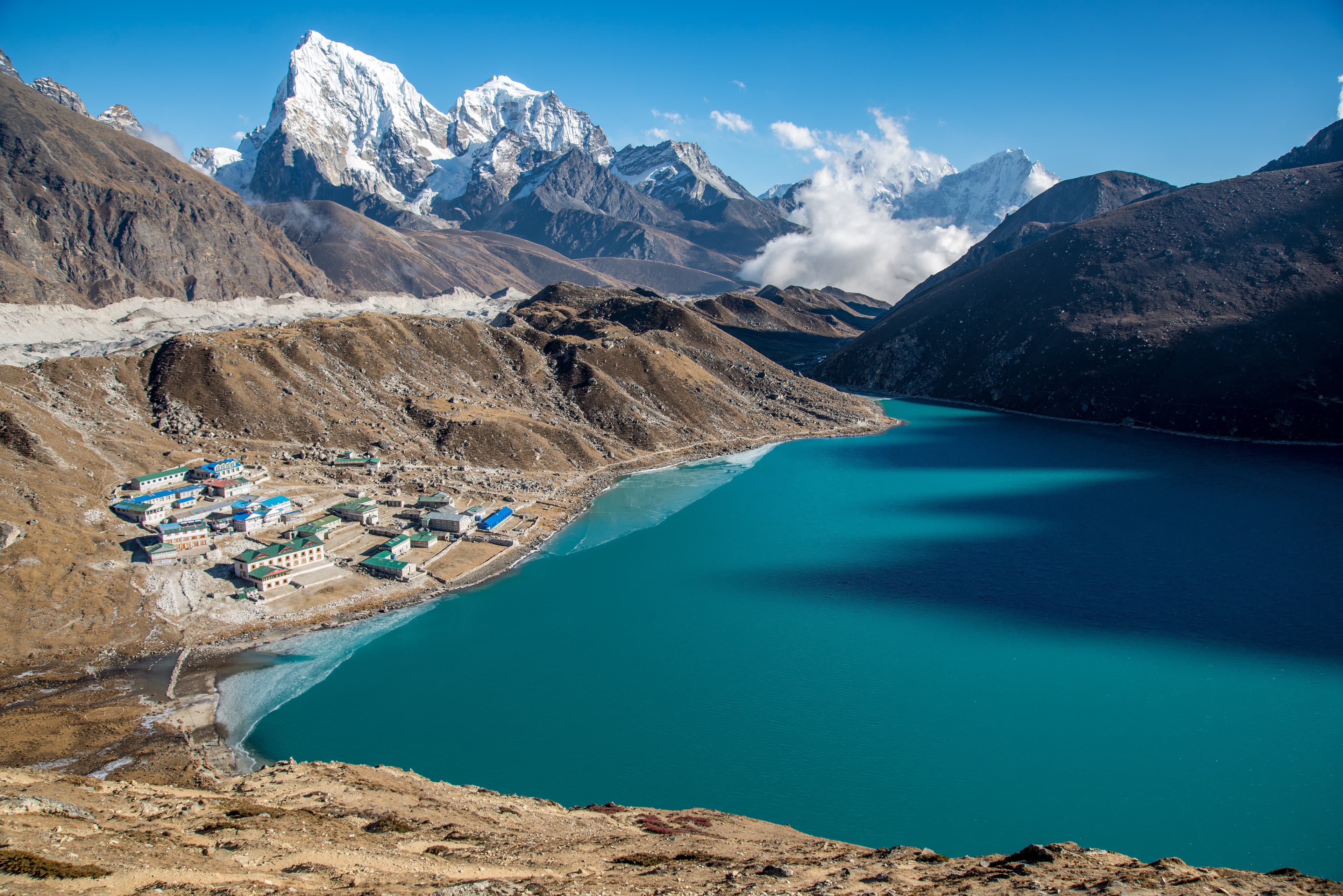
Many Langtang trekkers extend their trip south via the Gosaikunda ridge, visiting the sacred Gosaikunda lakes (4,380 m) before descending to Sundarijal and Kathmandu. This extension is best done in autumn or spring — the lakes freeze in winter and the Laurebina La pass (4,610 m) can be dangerous under snow.
FAQ
Q: How does Langtang compare to EBC and Annapurna in difficulty?
Langtang is slightly less demanding than EBC due to lower maximum altitude (4,984 m at Tsergo Ri vs. 5,545 m at Kala Patthar). It is a good first Himalayan trek. Acclimatization protocols are the same — ascend slowly above 3,000 m, rest on acclimatization days.
Q: Is Langtang safe after the 2015 earthquake?
Yes. The trail and villages have been fully rebuilt. The main trail avoids the original landslide path above Langtang village. Local families have returned and lodges are operating normally.