Travel Tips
Hot Springs Nepal Guide Tatopani
Nepal's natural hot springs have been used for centuries for healing and ritual purification. Tatopani on the Annapurna Circuit is the most famous, but the country has many more thermal spring sites worth exploring.
Hot Springs in Nepal's Cultural and Healing Tradition
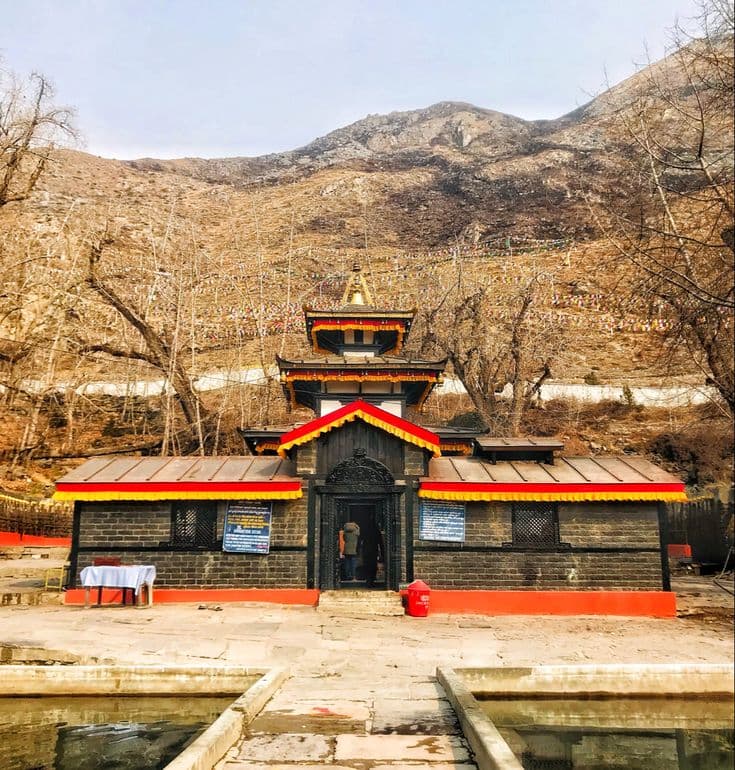
The Nepali word "Tatopani" translates literally as "hot water" — tato (hot) plus pani (water). The frequency with which this name appears on maps across Nepal reflects how commonly thermal springs occur in this seismically active Himalayan landscape and how consistently they have been valued by local communities. Hot springs in Nepal are considered sacred, often associated with Shiva and believed to have purifying and curative properties.
Traditional communities have long used hot spring bathing to treat musculoskeletal conditions, skin ailments, and general fatigue. Pilgrims on major religious routes have stopped at thermal springs for ritual purification. Contemporary trekkers now add hot spring soaks to their itineraries for recovery between long walking days.
Tatopani on the Annapurna Circuit
The village of Tatopani in the Mustang district, situated at approximately 1,190 metres on the Annapurna Circuit route, has become the most celebrated hot spring destination in Nepal. The springs here sit beside the Kali Gandaki River, and the combination of riverside setting, dramatic gorge scenery, and the relief of hot water after days of high-altitude trekking creates a deeply pleasurable experience.
The bathing pools at Tatopani are communal and open-air. They are segregated by gender at traditional times and mixed at others — check current local customs. The water temperature varies by pool and season. Bathing in the evening, when the gorge cools and the light falls on the cliffs, is the classic experience.
Planning this trip? 🎒
Don't stress about transport or guides. Sajilo offers verified cabs, luxury tourist buses, and expert guides across Nepal.
The village itself is a significant stop on the Annapurna Circuit: it sits at a low enough elevation that fruit grows abundantly, making it famous among trekkers for fresh oranges and apples after weeks at altitude. Rest days here are common and highly recommended.
Other Notable Hot Spring Sites
Jhinu Danda near the Annapurna base camp approach is another frequently visited thermal spring, about a thirty-minute walk below New Bridge on the Modi Khola. It offers a more intimate experience than Tatopani — a small natural pool set in a forested valley — and is visited primarily by trekkers on the Annapurna Sanctuary route.
Bhulbhule in the Marsyangdi Valley near the start of the Annapurna Circuit has less-visited springs that local communities continue to use for bathing and washing.
Syabrubesi in the Langtang region has thermal springs that trekkers use before and after the Langtang Valley or Gosaikunda route.
Kodari near the Tibet border on the Araniko Highway has historically had hot spring access, though border area conditions here fluctuate — check current access before visiting.
Melamchi Ghyang in Helambu has thermal springs used by local Sherpa and Tamang communities.
Practical Advice for Hot Spring Visits
Water temperature and flow can vary seasonally and after seismic activity. Test before full immersion. Long soaks in very hot water can cause dehydration and dizziness — limit initial immersion to fifteen to twenty minutes and drink water before and after bathing.
Bring a towel, clean footwear for the wet surrounds, and simple swimwear. Most springs are communal; modest dress is appreciated. Avoid entering springs with open wounds. Some spring water has high mineral content — if sensitive skin is a concern, rinse with fresh water after bathing.
The Healing Properties: What Is Known
Hot spring bathing (balneotherapy) has documented benefits: warm water increases peripheral circulation, relaxes muscle tension, and can reduce joint stiffness. Sulfur-containing spring water has some evidence for benefit in skin conditions including psoriasis. The minerals found in Himalayan thermal springs vary by geology; no specific therapeutic claims should be made without testing of individual spring chemistry.
FAQ
Q: Is there an entrance fee at Tatopani?
A: A small local fee is typically charged for use of the improved bathing pools. Rates change periodically — ask in the village.
Q: Can I visit Tatopani without doing the full Annapurna Circuit?
A: Yes. Tatopani is accessible by road from Beni (approximately six hours from Pokhara by jeep or bus via the Kali Gandaki Highway). This makes a standalone hot spring visit feasible without the full circuit trek.
Q: Are the pools clean?
A: Standards vary. The main pools at Tatopani are maintained by the local community, but water is shared. Those with immune concerns or compromised skin integrity should exercise discretion.