Travel Tips
Himalayan Sunrise Photography Tips: Capturing the Golden Hour
The 20 minutes of golden light at dawn on the Himalayan peaks is the single most spectacular photography opportunity in Nepal. Here is how to capture it from the best viewpoints.
Overview
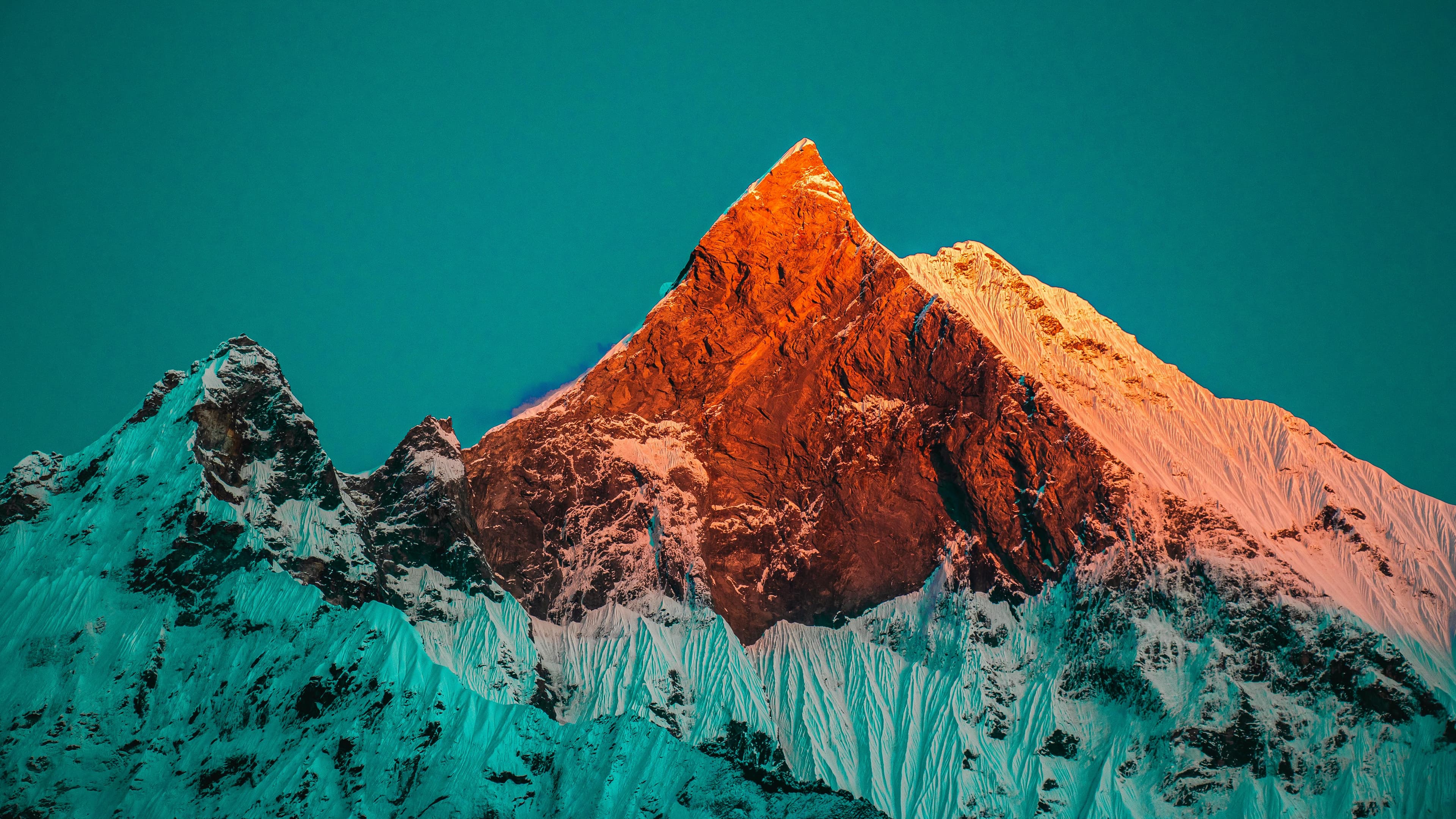
Himalayan sunrise photography follows a predictable but extraordinary sequence. In the 30 minutes before dawn, the sky above the peaks transitions from deep blue to purple to orange-pink. At the exact moment of sunrise, the highest peaks catch the first direct sun in a phenomenon called alpenglow -- the snow turns deep orange-red for 3 to 5 minutes before fading to white daylight. This window of extraordinary colour is the target of every landscape photographer in Nepal.
Best Sunrise Viewpoints
Poon Hill (3,210 m) is the most famous and accessible Himalayan sunrise viewpoint. The hilltop observation tower (free to access, part of the Ghorepani-Poon Hill trek) gives a 180-degree panorama of Dhaulagiri, Annapurna South, Himchuli, Machhapuchhre, Annapurna I, II, III, and IV. Arrive by 5:30 am (the trek from Ghorepani takes 45 minutes in the dark) to secure a good position before the crowd. October and November mornings see 200 to 400 trekkers at the viewpoint.
Kala Patthar (5,545 m) gives the best Everest sunrise -- the pyramid shape of the summit catches alpenglow magnificently with Nuptse, Lhotse, and Pumori flanking. At 5,545 m, the pre-dawn temperature in October can reach -20 degrees Celsius -- adequate preparation is essential.
Sarangkot (1,600 m, accessible by road from Pokhara) offers the Pokhara Valley's best sunrise with Annapurna and Machhapuchhre reflected in Phewa Lake. No trekking required -- road access makes this the most accessible alpine sunrise in Nepal.
Planning this trip? 🎒
Don't stress about transport or guides. Sajilo offers verified cabs, luxury tourist buses, and expert guides across Nepal.
Technical Approach
Exposure: meter for the sky at EV -1 to -2 to preserve peak detail and allow foreground to go slightly dark. Graduated ND filters help balance bright sky with dark foreground. White balance: 4,500 to 5,500K for dawn light; adjust manually rather than using Auto WB which will shift erratically as light changes.
FAQ
How long does the alpenglow window last at Poon Hill?
The optimal colour phase lasts 3 to 7 minutes depending on atmospheric conditions. Arrive 30 minutes early, set up on a tripod, and be ready to shoot continuously through the transition. The light changes quickly.
Can I photograph the Himalayan sunrise from Kathmandu?
Yes, from Nagarkot or Dhulikhel (described in hotel sections). The Himalayan panorama is visible from these ridge towns and the sunrise alpenglow on the Langtang Range is beautiful, though less dramatic than from higher altitude viewpoints.
What settings should I use for pre-dawn Himalayan photography?
ISO 800 to 1600, f/5.6 to f/8, shutter speed determined by exposure meter. Use a remote shutter release to avoid camera shake on the tripod. Mirror lockup (on DSLR cameras) eliminates vibration at slow shutter speeds.