Travel Tips
Himalayan Lodges Above 4,000 Metres: A Reality Guide
Lodges above 4,000 metres on Nepal's high trekking routes are a category of their own. This guide sets honest expectations and highlights the best options on the Everest and Annapurna routes.
The High Altitude Lodge Environment
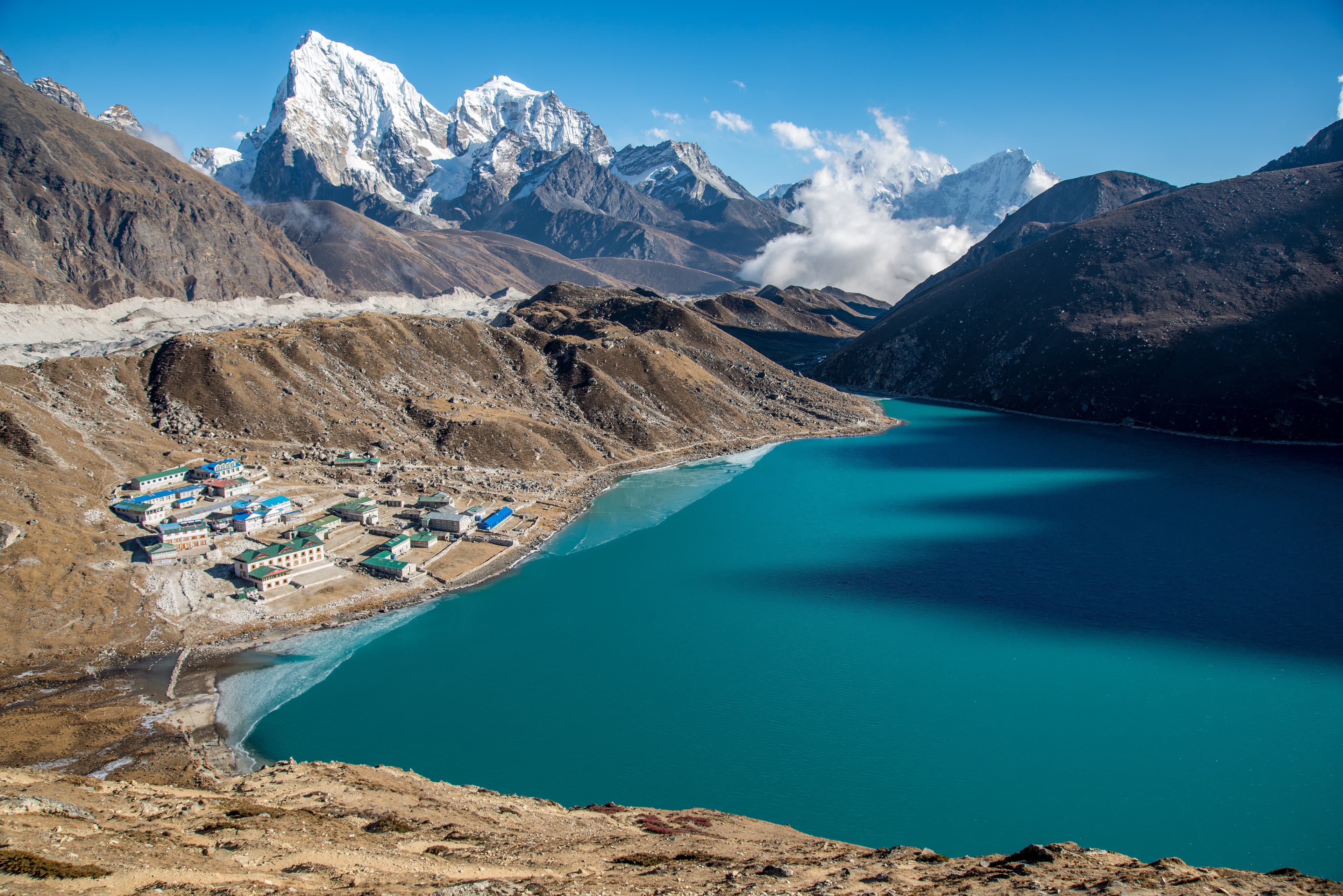
Above 4,000 metres, the logistics of running any accommodation become significantly harder. Every food item, mattress, and piece of building material either arrives by yak, porter, or (in the Everest region) helicopter. This is why a bowl of soup costs three times what it does in Kathmandu and why room rates increase proportionally with elevation. Understanding this economics makes prices feel more reasonable.
The most important thing to grasp about high-altitude lodges is that warmth is found in the communal dining room, not in the rooms. The central wood or yak-dung stove in the dining area is lit in the evening and shut down overnight. Room temperatures overnight at 4,200 metres regularly drop to 0°C or below, even in October.
Standard High-Altitude Teahouses
Most lodges between 4,000 and 5,000 metres on the Everest and Annapurna routes offer similar facilities: plywood-walled rooms with two wooden beds, thin mattresses, one or two blankets, and a small window. Shared squat toilets are at the end of the building or in a separate structure. Hot water for washing is available in a bucket for NPR 200 to 400. The dining room has a menu of soups, pasta, dal bhat, and packaged goods, with prices at least double those at the trek's starting point.
At Gorak Shep (5,164 metres, the final stop before Everest Base Camp) and High Camp on the Annapurna Circuit (4,850 metres), facilities are extremely basic and crowded during peak season. Book through your guide or arrive by 2 pm.
Planning this trip? 🎒
Don't stress about transport or guides. Sajilo offers verified cabs, luxury tourist buses, and expert guides across Nepal.
Premium Altitude Lodges
A small number of purpose-built premium lodges operate at high elevation with significantly better facilities. On the Everest route, properties in Namche Bazaar (3,440 metres) and Dingboche (4,360 metres) have invested in proper insulation, electric blankets, attached bathrooms, and quality kitchen equipment. Several lodge networks on the Annapurna route have upgraded properties in Manang (3,519 metres) and Yak Kharka (4,018 metres) to comparable standards.
Premium altitude lodges charge NPR 3,000 to 8,000 per night (room only) and provide quality that meaningfully reduces the physical difficulty of the trek. Being warm and well-rested before high passes matters enormously.
Specific High Points
Thorong La Pass (5,416 metres, Annapurna Circuit): The teahouse at Thorong High Camp (4,850 metres) is the last stop before the pass. Facilities are minimal but the location is irreplaceable. Sleep here only for the pass crossing — do not plan to enjoy the stay.
Kala Patthar (5,545 metres): No accommodation at the summit. Gorak Shep at 5,164 metres is the nearest lodge and is the base for Kala Patthar sunrise hikes.
Annapurna Base Camp (4,130 metres): A small cluster of teahouses operates here with basic facilities. Views of the Annapurna Sanctuary walls are extraordinary.
Packing for High Lodge Nights
Sleeping bag rated to -20°C (not -10°C), sleeping bag liner, ear plugs, a 750ml insulated water bottle to keep water liquid overnight, hand and foot warmers, and a reliable headlamp with fresh batteries are all essential at this elevation.
FAQ
Do lodges above 4,000 metres have Wi-Fi?
Some lodges in Namche (3,440 metres) have satellite Wi-Fi. Above Namche, connectivity is unreliable to non-existent. Offline maps, downloaded content, and a communication plan with people at home are important before going above Namche.
Can I charge devices above 4,000 metres?
Charging from lodge sockets becomes less reliable as altitude increases. Many lodges charge NPR 300 to 600 per charge. A 20,000 mAh power bank provides multiple charges and removes dependence on lodge electricity.