Travel Tips
Gorak Shep Accommodation: Surviving the Night at 5,164 m
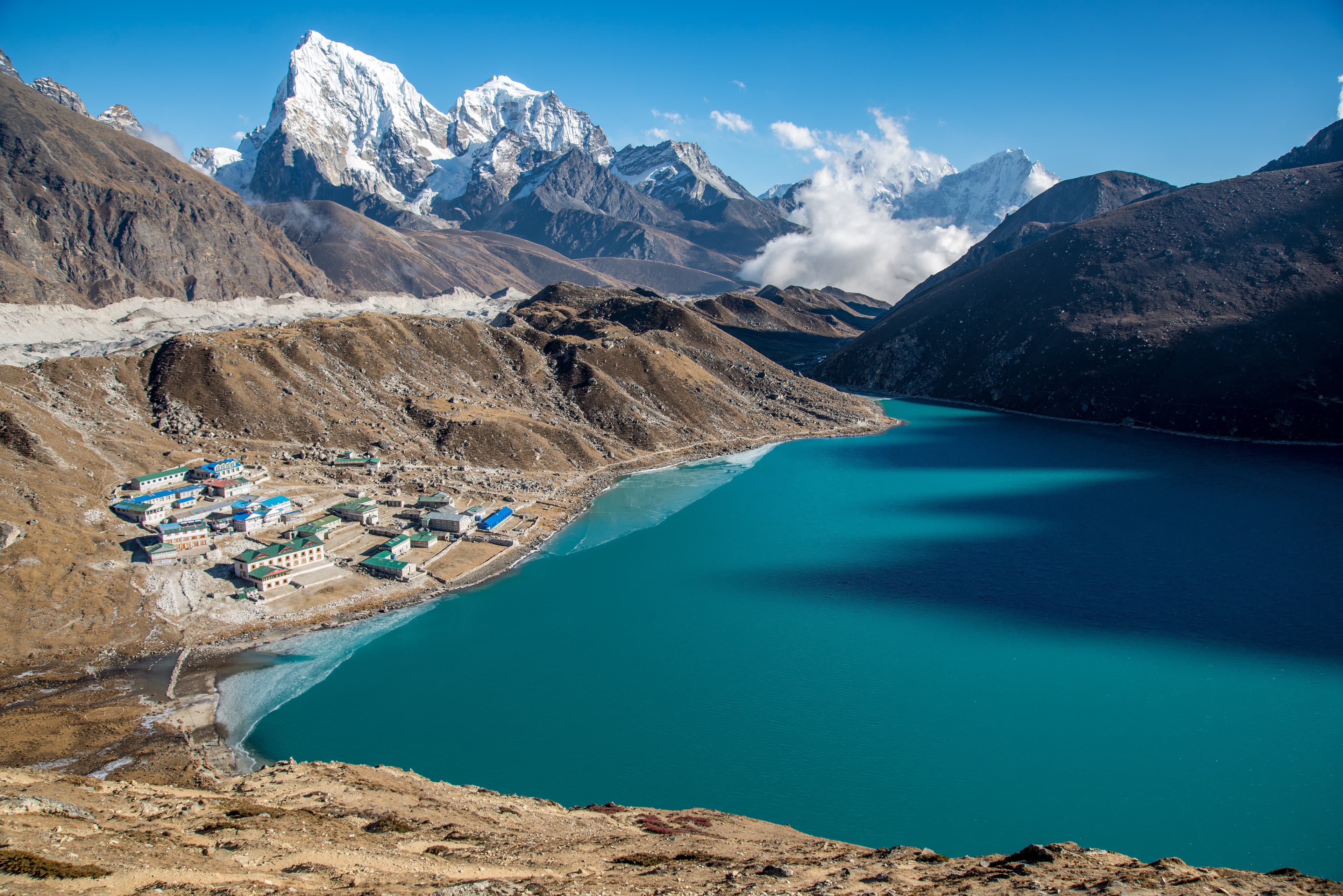
Gorak Shep is the last inhabited settlement before Everest Base Camp -- two basic lodges at 5,164 m where most EBC trekkers spend a cold, sleepless night before the Kala Patthar sunrise climb.
Overview
Gorak Shep (5,164 m) is not a comfortable place to sleep -- the altitude guarantees disturbed sleep for almost everyone, temperatures inside lodges drop to -10 degrees Celsius on winter nights, and the two lodges are basic to the point of austerity. But it is a necessary stop for almost all Everest Base Camp trekkers, as it is the closest accommodation to both EBC (1 hour away) and Kala Patthar (2 to 3 hours up the rocky ridge above).
The Two Lodges
Hotel Everest View and Pyramid Guest House are the only two lodges at Gorak Shep. Both operate on the same basic model -- simple twin rooms with thin mattresses and insufficient blankets (bring your sleeping bag), a common dining room with a yak-dung stove that barely takes the edge off the cold, and meals limited to dal bhat, noodle soup, and boiled potatoes. Rooms cost NPR 500 to 700 -- one of the only points on the EBC route where rooms are cheaper than lower-altitude villages, reflecting the spartan conditions.
Wi-fi is unavailable. Charging costs NPR 500 per device. Hot showers are not available. The toilet situation is basic.
Kala Patthar Sunrise
The reason everyone suffers through Gorak Shep is the sunrise from Kala Patthar (5,545 m). Starting at 4 am by headlamp, trekkers reach the rocky summit in 2 to 3 hours for a view of Mount Everest's southwest face in dawn alpenglow that is widely regarded as the finest mountain panorama accessible to non-climbers on Earth.
Planning this trip? 🎒
Don't stress about transport or guides. Sajilo offers verified cabs, luxury tourist buses, and expert guides across Nepal.
FAQ
Can I skip sleeping at Gorak Shep and do it as a day trip from Lobuche?
Many trekkers do exactly this -- leaving Lobuche (4,940 m) at 5 am, reaching Gorak Shep by 8 am, visiting EBC, then climbing Kala Patthar, and returning to Lobuche to sleep. It is a very long day (10 to 12 hours, 20 km) but avoids the miserable night at Gorak Shep.
Is altitude sickness worse at Gorak Shep than lower on the trail?
Yes. At 5,164 m, oxygen concentration is about 55 percent of sea-level. Most trekkers experience headache, reduced appetite, and very disturbed sleep. This is normal at this altitude -- descent is the cure if symptoms are severe.
Are the lodges at Gorak Shep open year-round?
The lodges close during late December and January when extreme cold and minimal trekker numbers make operations unviable. They reopen in February and are fully operational through November.