Travel Tips
Nepal Festival Photography: Complete Guide
Nepal's festival calendar is among the world's richest — dozens of Hindu and Buddhist celebrations produce extraordinary colour, movement, and ritual over the course of a year. Here is how to photograph them well.
Nepal's festival calendar is extraordinary — over 50 major celebrations are observed annually, with Kathmandu Valley alone hosting events that fill every month. For photographers, the challenge is not finding festivals but understanding which ones align with your travel dates and how to approach each one with the right gear, ethics, and timing.
The Major Photography Festivals
Indra Jatra (September, Kathmandu): Eight days of chariot processions through the old city, Kumari living goddess appearances, and masked dances in Durbar Square. The chariot procession on the final day draws massive crowds — arrive two hours early for position near Kumari Chowk.
Tihar / Deepawali (October–November): Nepal's equivalent of Diwali. The most photogenic element is Laxmi Puja evening — every home and business lit by rows of oil lamps and candles. Long exposure photography at ISO 800, f/4, with tripod captures the lamp rows without blown-out bright spots.
Holi (February–March, nationwide): Colour powder and water balloon festival. Kathmandu's Basantapur Square is the epicentre — arrive with your camera in a waterproof housing or wrap. The resulting images can be spectacular but the camera will require cleaning after.
Planning this trip? 🎒
Don't stress about transport or guides. Sajilo offers verified cabs, luxury tourist buses, and expert guides across Nepal.
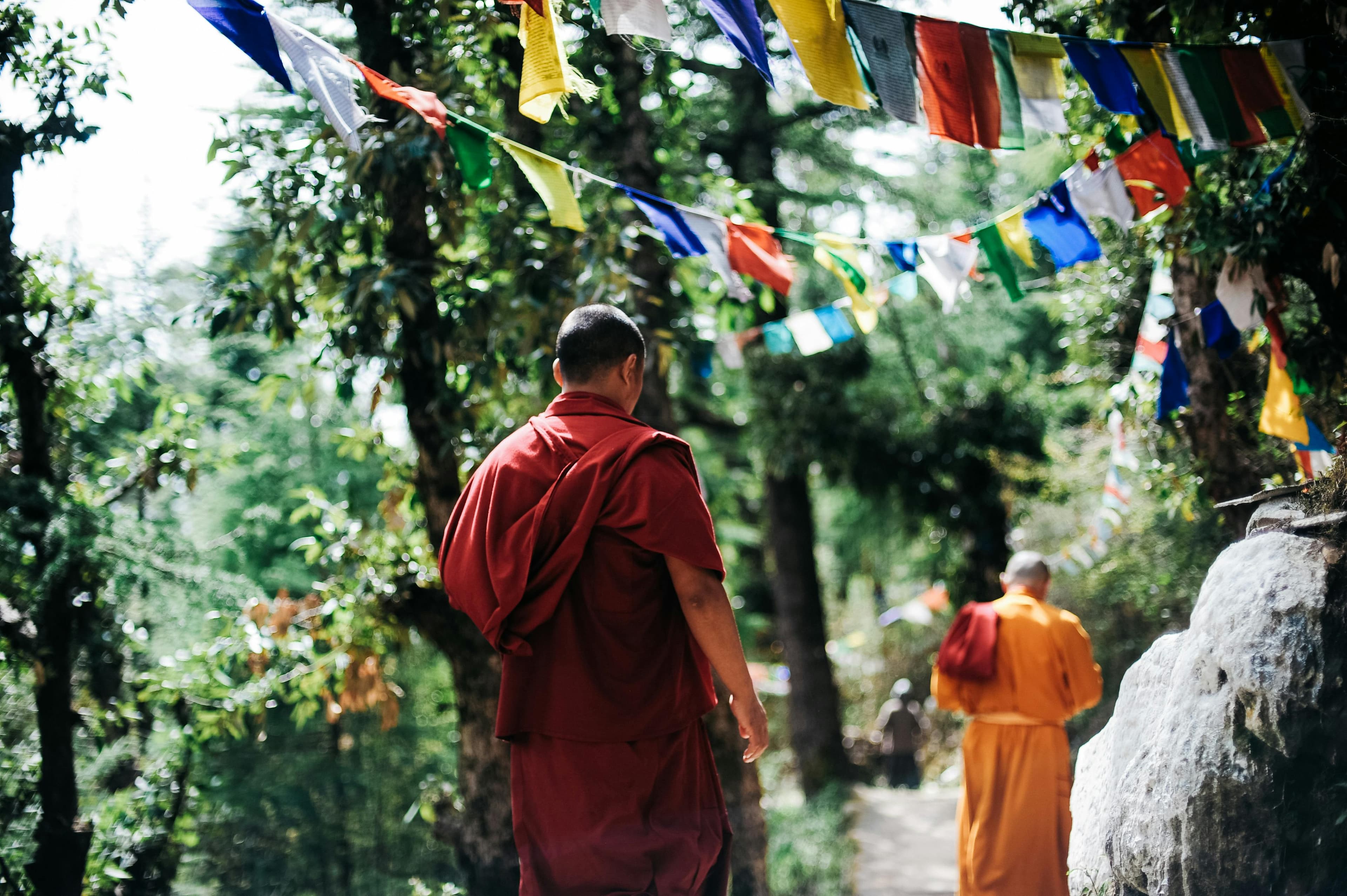
Mani Rimdu (November, Tengboche): A three-day Buddhist monastery festival with lama dances in ornate masks and silk costumes. Photography is permitted from the monastery courtyard perimeter. The afternoon light on the third day catches the gold-painted dance costumes against Everest in the background.
Bisket Jatra (April, Bhaktapur): New Year chariot festival with a massive chariot of Bhairav pulled through narrow streets. The chariot-pulling rope ceremony is best photographed from the rooftop of a Cafe Nyatapola — book this spot through the cafe management the day before.
General Festival Photography Approach
Position early: Festival crowds in Nepal's narrow old-town alleys fill quickly. For any procession or performance, aim to be in your chosen position 60–90 minutes before the announced start. Nepali events rarely start precisely on schedule.
Respectful access: Festivals are active religious events, not performances for tourists. Follow the crowd's lead — if people are bowing, move aside rather than pushing forward with your camera.
Fast lens advantage: Festival spaces in temples and alleys are often shaded and confined. An f/1.8 prime lens allows faster shutter speeds and lower ISO than kit zoom lenses.
FAQ
Can I use flash at festivals? Avoid flash at religious ritual moments. At public processions it is generally acceptable but harsh flash light ruins the ambient atmosphere.
Are there photography restrictions at festivals? The Kumari appearance during Indra Jatra prohibits direct face photography of the living goddess herself. Follow local guidance.
What is the best single festival for photography if I have one chance? Indra Jatra in September for cultural depth and chariot spectacle, or Tihar lamp-lighting evening for accessible, intimate neighbourhood imagery.