Travel Tips
Everest Photography Guide: Shooting the World's Highest Peak
Photographing Mount Everest requires planning, acclimatisation, and the right lens at the right time. From the classic view at Kala Patthar to the dramatic west face from Gokyo Ri, here are the key viewpoints.
Overview
Mount Everest (8,848.86 m) is the world's highest point and one of the most photographed mountains on Earth -- yet a truly outstanding photograph of Everest remains difficult to achieve. The challenge is that from most angles, Everest is hidden behind its own ridge lines or flanking peaks. The mountain is most visible and most dramatic from a small number of specific viewpoints, each requiring significant trekking effort to reach.
Best Everest Viewpoints
Kala Patthar (5,545 m) is the classic Everest photography location -- the mountain's southwest face and the Khumbu Icefall are fully visible and the summit pyramid dominates the skyline. The trek to reach Kala Patthar from Lukla takes 10 to 12 days with acclimatisation stops. Dawn (arrive by 5 am) gives alpenglow on the summit and a clear sky before afternoon clouds build.
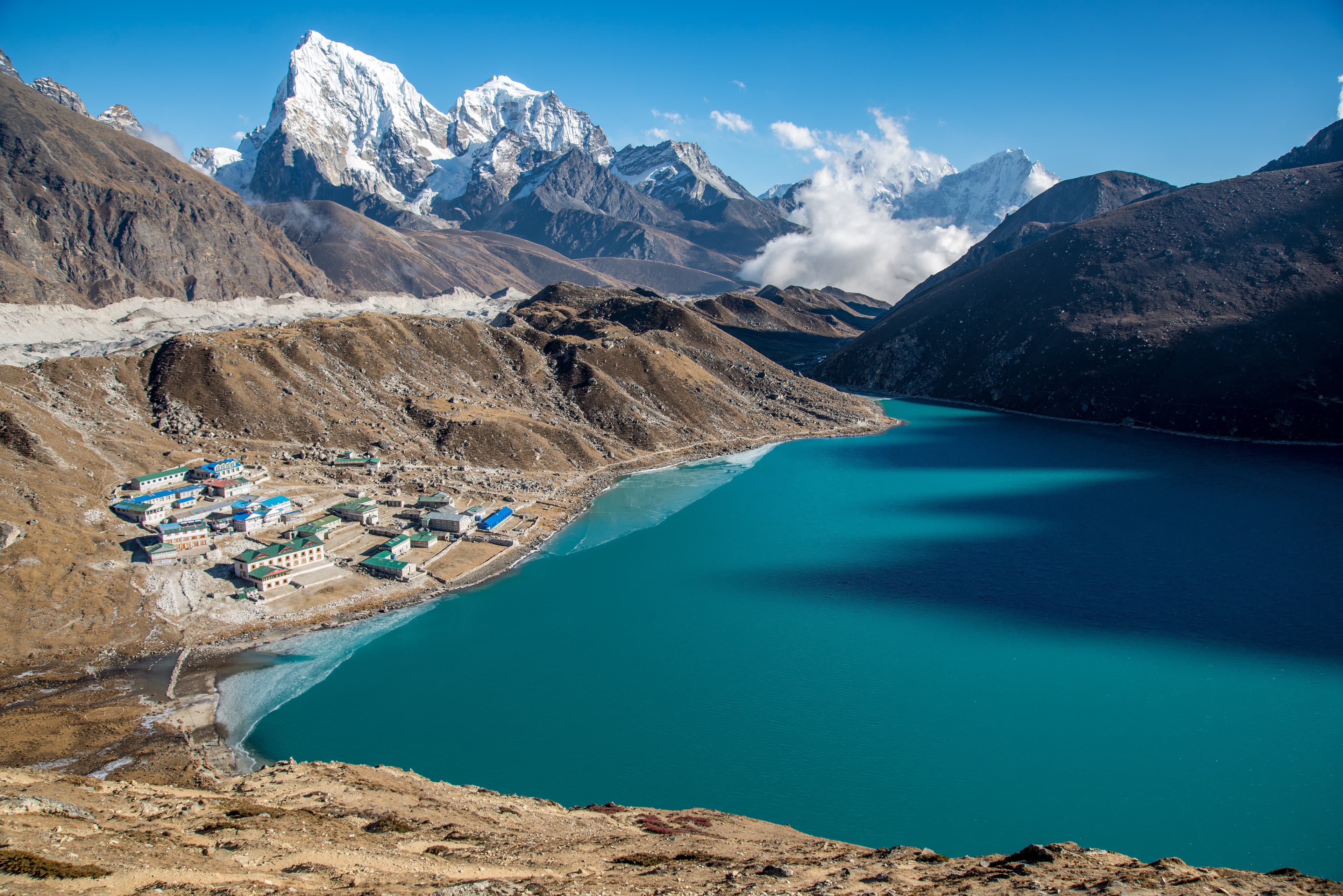
Gokyo Ri (5,357 m) gives arguably the most dramatic view -- from this vantage point you see Everest, Lhotse, Makalu, Cho Oyu, and Ngozumpa Glacier (Nepal's largest glacier) simultaneously. The four-peak panorama from Gokyo Ri at dawn is technically a more spectacular image than the Kala Patthar view.
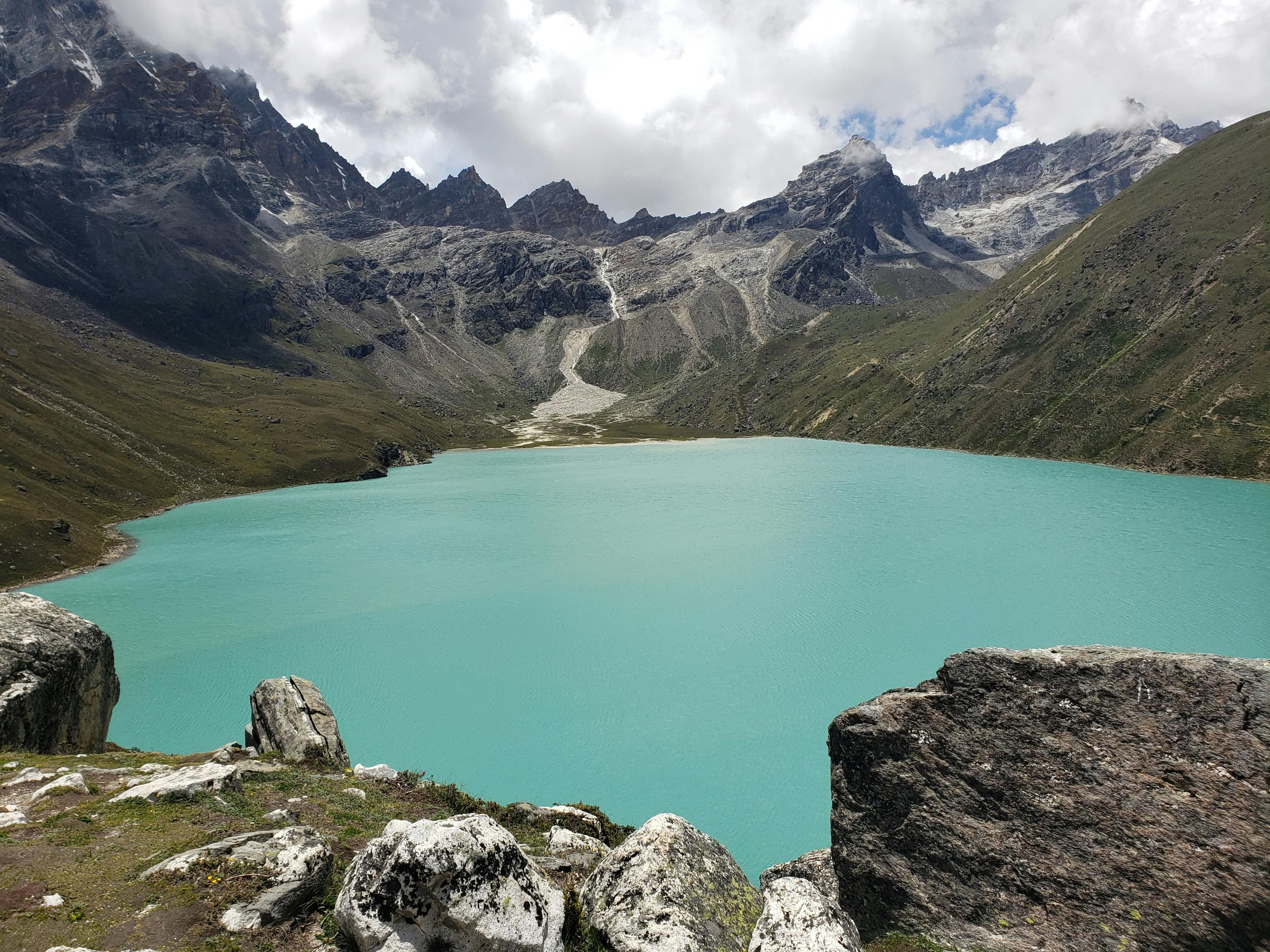
Renjo La Pass (5,360 m) gives a wider mountain panorama than either Kala Patthar or Gokyo Ri, though Everest is slightly more distant. The composition with Gokyo Lake below the pass in the foreground is exceptional.
Planning this trip? 🎒
Don't stress about transport or guides. Sajilo offers verified cabs, luxury tourist buses, and expert guides across Nepal.
Technical Challenges
Altitude affects camera batteries and the photographer's ability to concentrate. Carry two to three fully charged batteries kept warm in an inner pocket. Pre-focus and set exposure before the golden hour begins as cognitive function is reduced at 5,000-plus metres.
FAQ
What focal length is best for Everest photography from Kala Patthar?
200 to 400 mm gives good compression and fills the frame with the peak. A 24-70 mm shot from Kala Patthar captures the full mountain landscape but Everest appears smaller. Both focal lengths have different strengths.
Is Everest visible from Kathmandu?
On very clear winter days (November to February) from elevated points like Shivapuri ridge or Nagarkot, Everest is faintly visible 180 km away. It appears as a small white peak to the northeast, not recognisable without local knowledge. Reliable Everest views require reaching Sagarmatha National Park.
Can I photograph Everest without a trekking permit?
Scenic flights from Kathmandu (Mountain Flight, 1 hour, NPR 8,000 to 12,000) give close Everest views from aircraft altitude without any trekking permit. The photos are more limited due to aircraft window distortion but the experience is accessible to non-trekkers.